The Ultimate Guide to Corned Beef: Recipes, History & Irish Food You Need to Know
From slow cooker corned beef and cabbage to Irish desserts — everything you need in one place.
Section 1
What Is Corned Beef? (And Why Everyone Goes Crazy for It)
If you’ve ever wondered why corned beef is such a big deal — especially around St. Patrick’s Day — you’re not alone. This humble cut of meat has one of the more fascinating stories in culinary history, and once you understand it, you’ll appreciate every bite so much more.
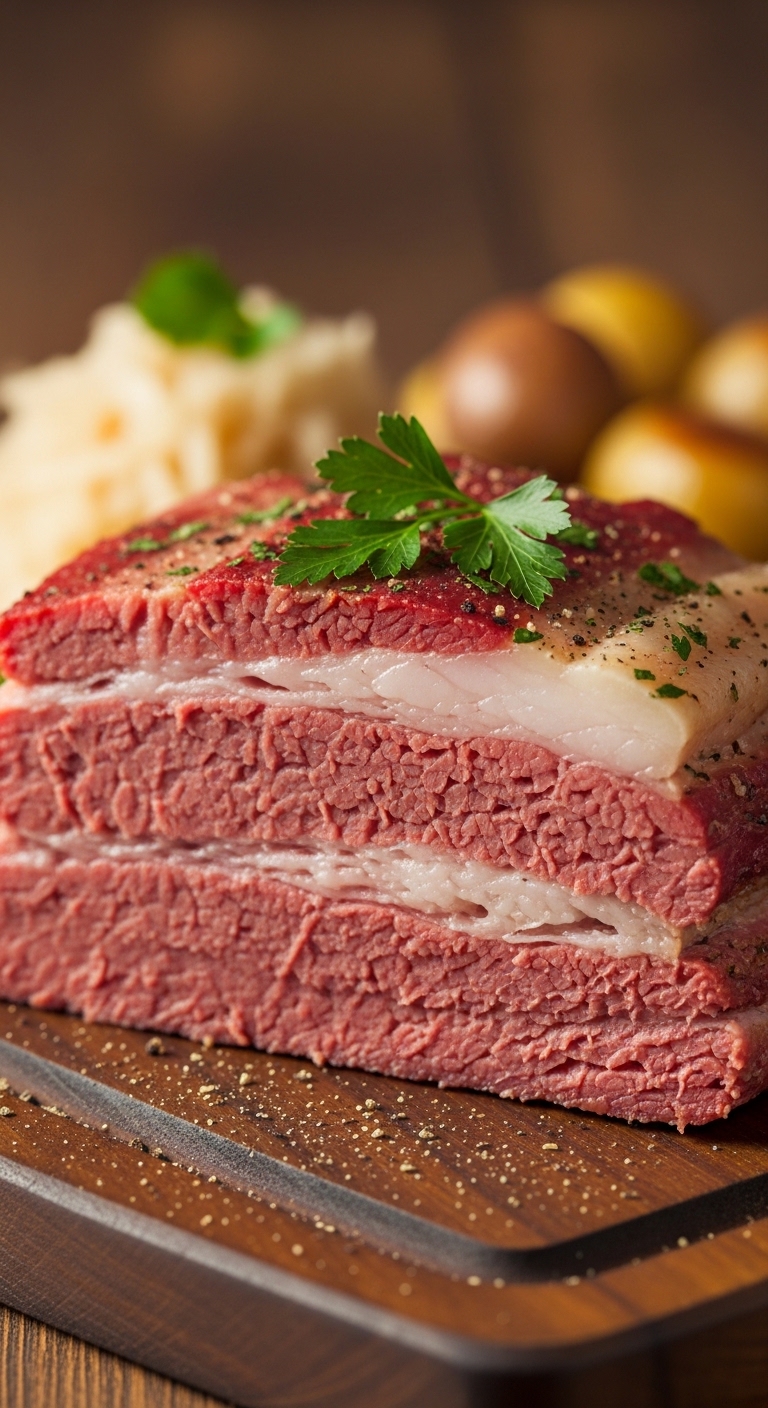
Corned beef is beef — typically a tough brisket cut — that has been cured in a salt brine. The name has nothing to do with corn as we know it today. It comes from the large rock salt crystals, historically called “corns” of salt, that were used to preserve the meat. The curing process typically includes salt, sugar, and a mix of spices like black pepper, coriander, mustard seeds, and bay leaves — all of which give corned beef its distinctive pinkish color and deeply savory flavor.
Authentic Irish food traditionally featured pork and bacon, not beef. Corned beef and cabbage as we know it is largely an Irish-American invention — Irish immigrants in the late 1800s substituted cheap Jewish-American brisket for the pork they were used to back home. Today it’s become a beloved symbol of Irish-American culture.
Whether you’re cooking it for a holiday feast or just a satisfying weeknight dinner, corned beef is one of the most forgiving cuts of meat you can work with. Low, slow cooking transforms what is otherwise a tough brisket into something meltingly tender and deeply flavorful. Let’s get into the details.
Section 2
How to Choose the Best Corned Beef Brisket
Not all corned beef brisket is created equal. Before you even think about cooking, picking the right cut makes a world of difference in the final result.
Flat Cut vs. Point Cut — What’s the Difference?
When you’re standing in front of the meat case, you’ll typically see two options: flat cut and point cut brisket.
The flat cut (also called the “first cut”) is leaner, more uniform in shape, and slices beautifully. It’s the better choice if you’re serving guests or want neat, attractive slices for a dinner plate. It’s also slightly easier to find at most grocery stores.
The point cut has more fat marbling running through it, which means more flavor and an almost fall-apart tenderness. It’s a bit irregular in shape, so slicing is messier — but if you’re making corned beef hash or shredding the meat for sandwiches, the point cut is outstanding.
Quick tip: Look for a corned beef brisket with a thick, even fat cap — it’ll help keep the meat moist during long cooking. Most pre-packaged corned beef comes with a spice packet included. Use it — those blends are specifically designed for the cure on that particular piece of meat.
Fresh vs. Pre-Packaged
Most supermarkets sell vacuum-sealed, pre-brined corned beef brisket that’s ready to cook straight from the package. This is perfectly convenient and produces great results. If you want to go the extra mile, some specialty butchers offer fresh-brined brisket, or you can even brine your own at home over 5–7 days using pink curing salt, kosher salt, sugar, and whole pickling spices. The flavor payoff of a homemade brine is noticeable — more balanced, less salty, more aromatic — but the packaged version is excellent for everyday cooking.
Section 3
Classic Corned Beef and Cabbage Recipe (The One That Never Fails)
This is the corned beef and cabbage recipe that generations of families have made — straightforward, unfussy, and deeply satisfying. No fancy techniques, no special equipment. Just a big pot, good ingredients, and a little patience.
The key to a great corned beef and cabbage is layering: you cook the brisket low and slow first, then add the vegetables in stages so nothing gets mushy. Potatoes and carrots go in about 30 minutes before serving; cabbage goes in last, just 15 minutes before you’re ready to eat.
Classic Corned Beef and Cabbage
Ingredients
- 3–4 lb corned beef brisket (with spice packet)
- Water to cover (about 2 quarts)
- 1 head green cabbage, cut into wedges
- 1 lb baby potatoes or quartered Yukon Golds
- 4 medium carrots, cut into chunks
- 1 large onion, quartered
- 4 cloves garlic, smashed
- 2 bay leaves
- 1 tsp black peppercorns
- Whole grain mustard, to serve
Instructions
- Place the corned beef brisket in a large Dutch oven or heavy pot, fat side up. Add the spice packet, onion, garlic, bay leaves, and peppercorns.
- Cover with cold water by at least 1 inch. Bring to a boil over high heat, then reduce heat to a low simmer. Skim any foam that rises to the surface.
- Cover and cook for 2½ to 3 hours, until the brisket is very tender when pierced with a fork. The internal temperature should reach around 190°F.
- Remove the brisket and set aside, tented with foil. Add potatoes and carrots to the broth. Cook 20 minutes.
- Add cabbage wedges. Cook another 12–15 minutes, until tender but not falling apart.
- Slice the brisket against the grain. Serve with vegetables, a ladle of broth, and whole grain mustard.
Always slice corned beef against the grain — perpendicular to the long muscle fibers. Look at the brisket and you’ll see lines running in one direction; cut across them. This shortens the fibers and makes every bite tender rather than stringy.
Section 4
Slow Cooker & Crock Pot Corned Beef and Cabbage: The Hands-Off Method
Let’s be honest — the slow cooker is the best friend corned beef ever had. Tossing everything in your crock pot in the morning and coming home to a fully cooked, fall-apart brisket is one of the great pleasures of weeknight cooking. The long, low heat of a slow cooker is perfectly suited to the tough fibers of a brisket, breaking them down into something almost silky.
The corned beef and cabbage crock pot method is also incredibly forgiving. Unlike stovetop cooking where you need to watch the simmer, the slow cooker does all the work while you go about your day. It’s also naturally self-basting — the meat sits in its own juices and stays moist throughout the entire cooking time.
Slow Cooker Corned Beef and Cabbage
Ingredients
- 3–4 lb corned beef brisket (with spice packet)
- 1½ cups beef broth or water
- 1 head green cabbage, cut in wedges
- 1 lb small potatoes
- 3 large carrots, cut into 2-inch pieces
- 1 onion, roughly chopped
- 4 cloves garlic
- 1 tbsp brown sugar (optional, balances saltiness)
- Spice packet from the brisket
Instructions
- Place onion and garlic at the bottom of the slow cooker. Lay potatoes and carrots on top.
- Set the corned beef brisket on top of the vegetables, fat side up. Sprinkle the spice packet and brown sugar over the meat.
- Pour in the broth around (not over) the meat. You want moisture but don’t need to fully submerge it.
- Cook on LOW for 8–10 hours, or HIGH for 4–5 hours. The low and slow method yields more tender results.
- One hour before serving, nestle cabbage wedges around the brisket. Replace lid and continue cooking.
- Rest the brisket for 10 minutes before slicing against the grain. Serve with cooking liquid spooned over the top.
Crock pot tip: Resist the urge to lift the lid while cooking — every peek adds 20–30 minutes to your cook time. Trust the process and let the slow cooker do its magic.
Section 5
Corned Beef Hash: The Best Thing to Do With Leftovers
If corned beef and cabbage is the main event, corned beef hash is the encore that sometimes steals the show. There’s something deeply comforting about a cast-iron skillet full of crispy, golden potatoes and tender shreds of corned beef, topped with a runny fried egg. It’s one of those dishes that makes you genuinely excited to have leftovers.
Great corned beef hash has three essential qualities: crispy edges, tender centers, and enough seasoning to make every bite interesting. The key is patience at the stove — don’t stir too often. Let the hash develop a crust on the bottom of the pan before you flip it.
Classic Corned Beef Hash
Ingredients
- 2 cups leftover corned beef, chopped or shredded
- 3 cups cooked potatoes, diced small
- 1 medium onion, diced
- 1 green bell pepper, diced
- 2 cloves garlic, minced
- 2 tbsp butter or neutral oil
- ½ tsp smoked paprika
- Salt and black pepper to taste
- 4 eggs (for frying, optional)
- Fresh chives or parsley to garnish
Instructions
- Heat butter in a large cast-iron or non-stick skillet over medium-high heat until shimmering.
- Add onion and bell pepper. Sauté for 4–5 minutes until softened and lightly browned.
- Add garlic, cook 30 seconds. Add potatoes and press into an even layer.
- Cook undisturbed for 5–6 minutes to develop a crust. Add corned beef and smoked paprika.
- Stir and press again. Cook another 5–7 minutes, flipping sections occasionally until deeply golden.
- Season with salt and pepper. Top with fried or poached eggs and fresh herbs.
Section 6
More Corned Beef Recipes to Add to Your Rotation
Once you’ve mastered the classics, corned beef opens up a world of creative possibilities. Here are some of the best corned beef recipes that go beyond the traditional pot dinner:
Reuben Sandwich
Thinly sliced corned beef, Swiss cheese, sauerkraut, and Russian dressing on toasted rye. A deli classic made at home.
Corned Beef Soup
Use the leftover cooking liquid as a broth base, add extra vegetables, and you have a hearty, flavorful soup ready in 30 minutes.
Corned Beef Tacos
Shredded corned beef in warm flour tortillas with cabbage slaw, pickled jalapeños, and a horseradish cream. Surprisingly incredible.
Corned Beef Eggs Benedict
Swap the Canadian bacon for sliced corned beef under a poached egg and hollandaise sauce. A luxurious brunch upgrade.
Shepherd’s-Style Pie
Mix shredded corned beef with vegetables under a golden mashed potato crust. Comfort food at its most comforting.
Corned Beef Croquettes
Crispy, breaded croquettes filled with a creamy corned beef and potato mixture. Perfect as an appetizer or party snack.
“Corned beef isn’t just a St. Patrick’s Day dish — it’s a year-round comfort food that keeps giving, from the first hot dinner to the last leftover hash.”
Section 7
A Tour Through Traditional Irish Food (Beyond the Corned Beef)
Irish cuisine has an unfair reputation for being plain or boring. The truth is, traditional Irish food is hearty, deeply nourishing, and rooted in centuries of agricultural tradition. It’s not cuisine built on heavy spicing or elaborate technique — it’s built on incredible ingredients, simply prepared.
Ireland’s cool, damp climate is perfect for growing some of the world’s finest potatoes, root vegetables, and grass-fed dairy. Add the Atlantic coastline teeming with fresh fish and shellfish, and you have the foundations of a genuinely compelling food culture.
Classic Irish Dishes You Should Know
Here are some of the most beloved Irish recipes and dishes that define the country’s culinary identity:
- Irish Stew — The definitive Irish dish. Traditionally made with lamb or mutton, potatoes, onions, and carrots, slow-simmered until everything melds into a deeply flavored, cloudy broth. Some recipes add barley for extra body. It’s simple, but it’s perfect.
- Colcannon — Mashed potatoes mixed with shredded cabbage or kale, plenty of butter, and cream. Sometimes topped with a well of extra melted butter in the center. This is Irish comfort food in its purest form.
- Boxty — A traditional Irish potato pancake made with a mix of mashed and grated raw potatoes. It’s denser than a regular pancake and slightly crispy on the outside. Often served with sour cream or smoked salmon.
- Coddle — A Dublin specialty: sausages, bacon, potatoes, and onions slow-cooked together in a light broth. It’s working-class food with a lot of soul and flavor.
- Soda Bread — Ireland’s most famous bread, leavened with baking soda instead of yeast. Quick to make, slightly tangy, with a dense, satisfying crumb. Incredible toasted with butter and a good jam.
- Champ — Similar to colcannon but made with scallions (spring onions) instead of cabbage. Buttery, creamy, and delicate — it’s a side dish that can easily steal the spotlight.
- Black and White Pudding — A staple of the full Irish breakfast. Black pudding is made with pork blood and oats; white pudding leaves out the blood. Both are sliced and pan-fried to a crispy exterior. An acquired taste, but absolutely worth trying.
Ireland’s Atlantic coast produces some of Europe’s finest seafood. Dublin Bay prawns, smoked salmon, fresh oysters from Galway Bay, and seafood chowder are as authentically Irish as any potato dish — and absolutely worth exploring in your kitchen.
Section 8
Irish Desserts That Are Worth Every Bite
Irish desserts don’t get nearly enough credit. Leaning heavily on butter, cream, oats, and whiskey, they’re rich, warming, and surprisingly elegant. Here are the Irish dessert recipes that belong on your table:
Irish Bread and Butter Pudding
Slices of soda bread or white bread layered with butter, raisins, and custard, then baked until golden and puffed. Often served with a whiskey cream sauce poured over the top. Pure nostalgia in a baking dish.
Bailey’s Irish Cream Cheesecake
A no-bake or baked cheesecake infused with Baileys Irish Cream liqueur, set on a buttery biscuit crust. The boozy, silky filling is an absolute crowd-pleaser at any gathering.
Porter Cake
A dense, moist fruit cake made with Guinness or another dark stout. The beer adds a deep, almost caramel-like complexity that complements dried fruits and warming spices beautifully. It keeps well for days.
Barmbrack
A traditional Irish fruit bread made with tea-soaked dried fruit and a hint of spice. It’s especially beloved at Halloween, when small objects are baked inside as fortunes. Served sliced with butter.
Irish Apple Cake
A rustic, single-layer cake packed with tart apple chunks, dusted with sugar, and often served warm with custard or fresh cream. Simple and deeply satisfying — one of the best Irish recipes you can make.
Whiskey Trifle
Layers of sponge cake soaked in Irish whiskey, fresh berries, custard, and whipped cream. It’s generous, celebratory, and just sweet enough. The whiskey keeps it firmly in grown-up territory.
Section 9
Pro Tips for Perfect Corned Beef Every Single Time
After years of people cooking corned beef and wondering why it came out tough, too salty, or dry, here are the most important things to know before you start:
- Rinse your brisket before cooking. The packaging brine is quite salty. A quick rinse under cold water helps reduce the overall saltiness of the final dish without losing any of the flavor that’s already penetrated the meat.
- Never rush corned beef. This is low-and-slow territory. Cooking at too high a temperature will cause the muscle fibers to seize up and tighten, making the meat tough. Keep your simmer gentle — barely bubbling is ideal.
- Add vegetables at the right time. If you add potatoes and cabbage at the start, they’ll be mush by the time the brisket is done. Add sturdy vegetables (carrots, potatoes) in the last 30–40 minutes, and cabbage in the final 15 minutes only.
- Rest before slicing. Give your cooked brisket at least 10–15 minutes to rest under foil before cutting. This allows the juices to redistribute so they don’t all run out the moment you slice.
- Save the cooking liquid. The broth left in your pot after cooking is liquid gold — packed with flavor from the meat and spices. Use it to cook the vegetables, drizzle over the sliced meat, or freeze it for an incredible base for soup later.
- Use leftovers wisely. Corned beef is arguably better the next day. Store it in its cooking liquid overnight in the fridge — it reheats beautifully and the flavors deepen. Perfect for hash, sandwiches, or soup.
Beyond the classic cabbage and potatoes, try serving corned beef with whole grain mustard, horseradish cream, pickles, and a thick slice of Irish soda bread. A cold pint of Guinness or a glass of crisp Irish lager completes the experience perfectly.
Corned beef is one of those dishes that rewards patience and simplicity. You don’t need special skills or fancy equipment — just a good cut of meat, a few hours, and the confidence to leave it alone while it does its thing. Whether you’re making the classic corned beef and cabbage recipe, trying the slow cooker method, whipping up a skillet of corned beef hash, or exploring the wider world of Irish food and Irish desserts, you’re in for something truly satisfying.
Happy cooking — and as the Irish say, bain taitneamh as do bhéile (enjoy your meal).