
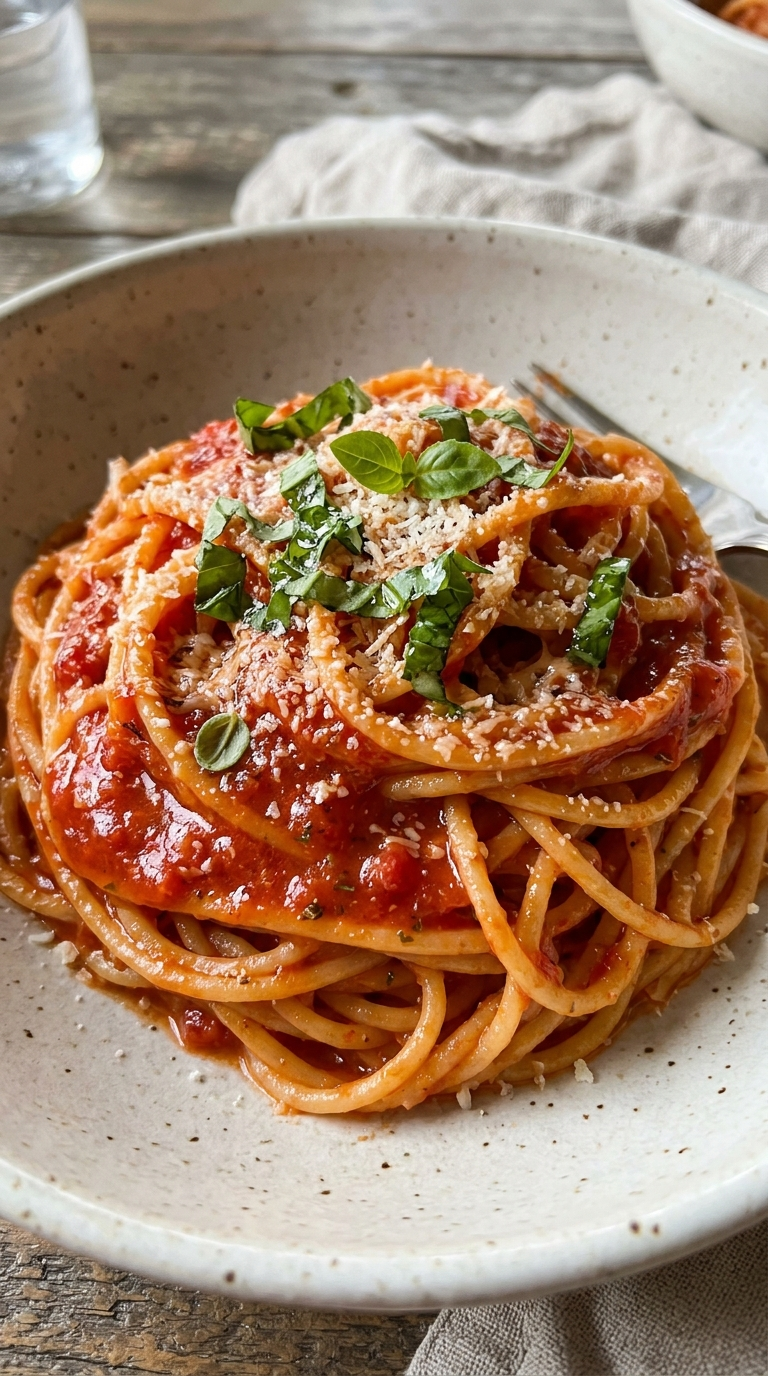
There is something comforting about a warm plate of spaghetti noodles coated in a rich, flavorful sauce. Whether you need a quick weeknight dinner, an easy family meal, or a delicious way to use ingredients already in your kitchen, spaghetti is a versatile ingredient that can turn simple pantry staples into something special.
The best spaghetti noodles recipes do not have to be complicated or expensive. With the right cooking technique, a well-seasoned sauce, and a few fresh ingredients, you can prepare a satisfying meal in your own kitchen. From classic tomato spaghetti to creamy garlic spaghetti, vegetable spaghetti, and spicy chicken spaghetti, there are plenty of ways to enjoy this popular pasta.
In this guide, you will learn how to cook spaghetti noodles perfectly, follow an easy step-by-step spaghetti recipe, explore delicious variations, and discover practical tips for getting flavorful results every time.
Why You Will Love These Spaghetti Noodles Recipes
Spaghetti is a great choice for home cooks because it is affordable, easy to prepare, and works with many different ingredients.
- Easy to make: You can prepare a delicious spaghetti dinner without advanced cooking skills.
- Budget-friendly: Dried spaghetti, tomatoes, onions, garlic, and basic seasonings make a satisfying meal.
- Customizable: Add chicken, minced beef, shrimp, mushrooms, or your favorite vegetables.
- Perfect for busy days: Most simple spaghetti dishes can be prepared in about 20–35 minutes.
- Suitable for different tastes: Choose a tomato-based sauce, a creamy sauce, or a lighter garlic and olive oil combination.
Ingredients for Easy Tomato Spaghetti Noodles
This simple tomato spaghetti recipe serves four people and uses everyday ingredients. You can adjust the seasoning and vegetables to suit your preferences.
Preparation time: 10 minutes
Cooking time: 20–25 minutes
Total time: Approximately 30–35 minutes
Servings: 4
Difficulty: Easy
Ingredients
- 400 g dried spaghetti noodles
- 2 tablespoons olive oil or vegetable oil
- 1 medium onion, finely chopped
- 3 garlic cloves, minced
- 400 g chopped tomatoes, canned or fresh
- 2 tablespoons tomato paste
- 1 small red bell pepper, diced (optional)
- 1 teaspoon paprika
- ½ teaspoon dried oregano or mixed herbs
- ½ teaspoon black pepper
- Salt, to taste
- ½ teaspoon chili flakes or ground pepper, optional
- ½–1 cup reserved pasta water, as needed
- Fresh parsley or basil, for garnish
- Grated Parmesan cheese, optional
Optional protein: Add approximately 250–300 g cooked chicken, minced beef, shrimp, or another protein of your choice.
Kitchen equipment: A large pot, colander, chopping board, knife, wooden spoon, and large frying pan or saucepan.
Ingredient tip: If you are using fresh tomatoes, choose ripe ones for a sweeter, richer sauce. Tomato paste adds concentrated flavor and helps give the sauce a deeper color.

How to Make Spaghetti Noodles Step by Step
Follow these simple instructions to prepare tender spaghetti noodles coated in a flavorful homemade tomato sauce.
Step 1: Prepare the Ingredients
Wash the vegetables, chop the onion and bell pepper, mince the garlic, and measure out your seasonings. Open the canned tomatoes if you are using them.
Preparing everything before you start cooking makes the process easier because the sauce and noodles can cook at approximately the same time.
If you plan to add chicken or minced beef, prepare it separately according to your chosen method. Make sure any meat or seafood is cooked safely before serving.
Step 2: Boil the Spaghetti Noodles
Fill a large pot with water and bring it to a rolling boil. Add salt to season the cooking water, then carefully add the spaghetti.
Stir the noodles during the first minute or two to separate the strands and prevent them from sticking together. Cook according to the package instructions, checking the noodles a little before the recommended cooking time ends.
For a firm texture, aim for al dente, which means the spaghetti is cooked through but still has a slight bite. If you prefer softer noodles, cook them a little longer.
Before draining, reserve about one cup of the starchy cooking water. Drain the spaghetti without rinsing it, then set it aside briefly while you prepare the sauce.
Important tip: Avoid adding oil to the boiling water. Stirring the noodles is a more effective way to prevent sticking, and keeping their natural surface starch helps the sauce coat them properly.

Step 3: Sauté the Onion and Garlic
Heat the olive oil or vegetable oil in a large frying pan over medium heat. Add the chopped onion and cook for about 3–5 minutes, stirring occasionally, until softened.
Add the minced garlic and cook for another 30–60 seconds, just until fragrant. Be careful not to burn the garlic because burnt garlic can make the sauce taste bitter.
If you enjoy extra vegetables, add the diced bell pepper and cook for another 2–3 minutes until it begins to soften.
Step 4: Make the Tomato Sauce
Add the tomato paste to the pan and stir it into the softened vegetables. Cook for approximately one minute to deepen its flavor.
Next, add the chopped tomatoes, paprika, dried oregano, black pepper, and chili flakes if desired. Stir everything together and bring the mixture to a gentle simmer.
Allow the sauce to cook for 10–15 minutes, stirring occasionally. As it simmers, the tomatoes will soften, the flavors will develop, and the sauce will become thicker.
Taste the sauce and add salt as needed. If it tastes too acidic, allow it to simmer a little longer before making further adjustments.
For a richer meal, stir in cooked chicken, browned minced beef, or sautéed mushrooms during the final few minutes of cooking.
Step 5: Combine the Spaghetti and Sauce
Add the drained spaghetti noodles directly to the pan of tomato sauce. Use tongs or a large spoon to toss the noodles until the sauce coats them evenly.
If the mixture looks dry, add a few tablespoons of the reserved pasta water and toss again. Continue adding small amounts until the sauce reaches your preferred consistency.
The starch in the pasta water helps the sauce cling to the spaghetti and creates a more cohesive finish.
Allow the noodles to cook with the sauce for another 1–2 minutes, stirring gently. Taste a strand and adjust the seasoning if necessary.
Step 6: Garnish and Serve
Remove the pan from the heat. Add freshly chopped parsley or basil if available, and sprinkle with grated Parmesan cheese if you enjoy it.
Serve the spaghetti while warm, with a simple green salad, sautéed vegetables, garlic bread, or your preferred side dish.
Your homemade tomato spaghetti noodles are ready to enjoy!

5 Delicious Spaghetti Noodles Recipes to Try
Once you have mastered the basic recipe, you can use the same cooking method to create different meals. Here are five easy spaghetti recipe ideas worth adding to your meal rotation.
1. Creamy Garlic Spaghetti
Creamy garlic spaghetti is a delicious option when you want something rich and comforting without making a complicated sauce.
Ingredients: Cooked spaghetti, butter, minced garlic, cream or milk, grated Parmesan, black pepper, and a little reserved pasta water.
How to make it:
- Melt the butter in a frying pan over medium-low heat.
- Add the minced garlic and cook briefly until fragrant.
- Stir in the cream and simmer gently until slightly thickened.
- Add the cooked spaghetti and toss to coat.
- Mix in the Parmesan and a splash of pasta water if needed.
- Season with black pepper and serve immediately.
For a more filling meal, add cooked chicken, mushrooms, or spinach. Avoid boiling the cream vigorously, as gentle heat helps maintain a smooth sauce.
2. Chicken Spaghetti Noodles
Chicken spaghetti is ideal for a satisfying lunch or dinner. It combines tender chicken with spaghetti noodles and a flavorful sauce.
Ingredients: Spaghetti, boneless chicken, onion, garlic, tomatoes, bell pepper, cooking oil, paprika, black pepper, and salt.
How to make it:
- Cut the chicken into small, even pieces and season with salt, paprika, and black pepper.
- Cook the chicken in a lightly oiled pan until fully cooked, then transfer it to a plate.
- Sauté the onion, garlic, and bell pepper in the same pan.
- Add the tomatoes and seasonings, then simmer until the sauce thickens.
- Boil the spaghetti separately and reserve a little pasta water before draining.
- Return the chicken to the sauce, add the spaghetti, and toss everything together.
- Add a little pasta water if necessary, then serve hot.
Cutting the chicken into evenly sized pieces helps it cook consistently. Always ensure the chicken reaches a safe internal temperature of 74°C (165°F).
3. Spaghetti with Minced Beef
If you enjoy a hearty, savory meal, spaghetti with minced beef is an excellent option. The beef adds richness to the tomato sauce, making it especially satisfying.
Ingredients: Spaghetti, minced beef, onion, garlic, tomatoes, tomato paste, cooking oil, dried herbs, salt, and black pepper.
How to make it:
- Heat a little oil in a frying pan and add the minced beef.
- Break the meat apart with a wooden spoon and cook until browned and fully cooked.
- Add the chopped onion and garlic, then sauté until softened.
- Stir in the tomato paste, chopped tomatoes, and dried herbs.
- Simmer the sauce for 15–20 minutes to allow the flavors to develop.
- Cook the spaghetti according to the package directions.
- Toss the noodles with the beef sauce and finish with fresh herbs if desired.
For extra flavor, add diced carrots, mushrooms, or bell peppers. This sauce can also be made ahead and refrigerated for a convenient meal later in the week.
4. Vegetable Spaghetti Noodles
Vegetable spaghetti is a flexible option for anyone who wants to include more vegetables in their meals. You can use whatever fresh or frozen vegetables you have available.
Ingredients: Spaghetti, carrots, bell peppers, onions, tomatoes, garlic, spinach, cooking oil, and your preferred seasonings.
How to make it:
- Cook the spaghetti until tender but still slightly firm, then drain and reserve some cooking water.
- Heat the oil in a large frying pan.
- Add the onions, carrots, and bell peppers, cooking until they begin to soften.
- Stir in the garlic and tomatoes, then cook until the tomatoes form a light sauce.
- Add the spinach and allow it to wilt.
- Add the spaghetti and toss thoroughly.
- Season to taste and add a splash of pasta water if the mixture seems dry.
Broccoli, mushrooms, zucchini, and sweetcorn can also work well. Avoid overcrowding the pan with too many vegetables at once, as they may release excess water and become soggy.
5. Spicy Tomato Spaghetti
For people who enjoy a little heat, spicy tomato spaghetti is a simple way to add excitement to an everyday pasta dish.
Ingredients: Spaghetti, tomatoes, garlic, onion, tomato paste, cooking oil, paprika, chili flakes or fresh chili, salt, and black pepper.
How to make it:
- Cook the spaghetti in salted boiling water and reserve a cup of pasta water.
- Sauté the onion and garlic in oil until softened and fragrant.
- Add the tomato paste, chopped tomatoes, paprika, and chili.
- Simmer for 10–15 minutes until the sauce thickens.
- Add the cooked spaghetti and toss until coated.
- Taste and adjust the heat and seasoning before serving.
Start with a small amount of chili, then add more if needed. You can also add shrimp, chicken, or sautéed vegetables for a more substantial meal.
Tips for Making Perfect Spaghetti Noodles Every Time
A few simple techniques can make a noticeable difference in your finished dish.
- Use enough water: Choose a pot large enough to allow the noodles to move freely as they cook.
- Salt the cooking water: This seasons the spaghetti from the inside rather than relying entirely on the sauce.
- Stir early: Gently stir the noodles after adding them to boiling water to help prevent clumping.
- Check the package instructions: Cooking times vary by brand and noodle thickness, so taste the pasta before draining.
- Reserve pasta water: Its starch helps loosen and bind sauces.
- Finish the noodles in the sauce: Tossing spaghetti in the sauce allows the flavors to come together.
- Avoid overcooking: Soft, mushy noodles can spoil the texture of an otherwise delicious meal.
- Season gradually: Taste the sauce before adding extra salt, particularly when using cheese, stock, or other salty ingredients.
Common Mistakes to Avoid When Cooking Spaghetti
Even a simple spaghetti recipe can go wrong if you overlook a few details.
Adding oil to the boiling water: Oil does not reliably prevent spaghetti from sticking. Stir the noodles instead.
Rinsing the noodles after cooking: Rinsing removes surface starch that helps sauce adhere. For a hot spaghetti dish, drain the noodles without rinsing.
Making the sauce too watery: Simmer the sauce uncovered until it thickens, or use less liquid when preparing it.
Adding all the pasta water at once: Add it gradually so you can control the consistency of the sauce.
Cooking the noodles too early: Whenever possible, finish the spaghetti close to serving time. If the noodles must wait, toss them with a little sauce to help prevent sticking.
Using too much seasoning without tasting: Strong spices and salty ingredients can overwhelm the tomatoes. Add seasonings in stages and taste as you cook.
What to Serve with Spaghetti Noodles
Spaghetti can be served as a complete meal or paired with simple sides.
- Garlic bread: A delicious accompaniment for soaking up leftover tomato or creamy sauce.
- Green salad: Adds freshness and a crisp texture to a rich pasta dish.
- Roasted vegetables: Try carrots, broccoli, zucchini, or bell peppers.
- Grilled or baked chicken: A good option for people who want extra protein.
- Sautéed mushrooms: Add a savory flavor to tomato or cream-based spaghetti.
- Steamed vegetables: A straightforward side when you want a lighter meal.
Choose sides that complement your sauce without making the meal unnecessarily complicated.
How to Store and Reheat Leftover Spaghetti
Allow leftover spaghetti to cool slightly, then place it in a clean, airtight container and refrigerate it within two hours of cooking. Store it at 4°C (40°F) or below and use it within 3–4 days.
For the best quality, store the noodles and sauce separately when practical. This makes it easier to reheat the pasta without allowing it to absorb too much sauce.
To reheat spaghetti, place it in a saucepan over low to medium heat with a small splash of water. Stir occasionally until heated thoroughly. You can also microwave it in a suitable covered container, stirring halfway through heating.
Avoid repeatedly cooling and reheating the same portion. If you freeze leftovers, use a freezer-safe container and thaw them in the refrigerator before reheating.
Frequently Asked Questions About Spaghetti Noodles Recipes
1. How long should I cook spaghetti noodles?
Most dried spaghetti takes approximately 8–12 minutes to cook, although the exact time depends on the brand and thickness. Follow the package instructions and begin checking the noodles a little early if you prefer them al dente.
2. How much spaghetti should I cook per person?
A practical starting point is approximately 75–100 g of dried spaghetti per adult for a main meal. Adjust the amount according to appetite, the richness of the sauce, and whether you are serving additional sides.
3. Can I make spaghetti noodles without tomato sauce?
Yes. Spaghetti works well with garlic and olive oil, butter and cheese, creamy garlic sauce, pesto, or a simple combination of sautéed vegetables and seasonings.
4. Why do my spaghetti noodles stick together?
Spaghetti may stick when the strands are not stirred soon after being added to boiling water or when cooked noodles sit for too long without sauce. Stir the noodles during the early cooking stage and combine them with the sauce promptly after draining.
5. Can I add vegetables or meat to spaghetti?
Absolutely. Chicken, minced beef, shrimp, mushrooms, carrots, spinach, and bell peppers are all useful additions. Cook meat and seafood safely, and adjust the sauce seasoning to complement the extra ingredients.
6. Is it better to mix spaghetti with sauce or pour sauce on top?
For most hot spaghetti dishes, tossing the noodles directly in the sauce gives a more even coating and helps the flavors combine. Add a little reserved pasta water if the sauce needs loosening.
7. Can I prepare spaghetti ahead of time?
Yes. You can prepare the sauce ahead and refrigerate it in an airtight container. Cook the noodles closer to serving time, then combine them with the reheated sauce for the best texture.
Final Thoughts
Spaghetti noodles are one of the most versatile ingredients you can keep in your kitchen. Whether you prefer classic tomato spaghetti, creamy garlic noodles, chicken spaghetti, minced beef spaghetti, vegetable spaghetti, or a spicy version, there is a recipe to suit almost any occasion.
Start with the basic tomato spaghetti recipe, practice the simple cooking techniques, and experiment with different proteins, vegetables, and seasonings as you become more comfortable. With a few everyday ingredients and the right method, you can make a delicious homemade spaghetti dinner without spending hours in the kitchen.
Save this guide for your next meal plan, and try one of these spaghetti noodles recipes the next time you need an easy, satisfying dinner.
Leave a Reply