
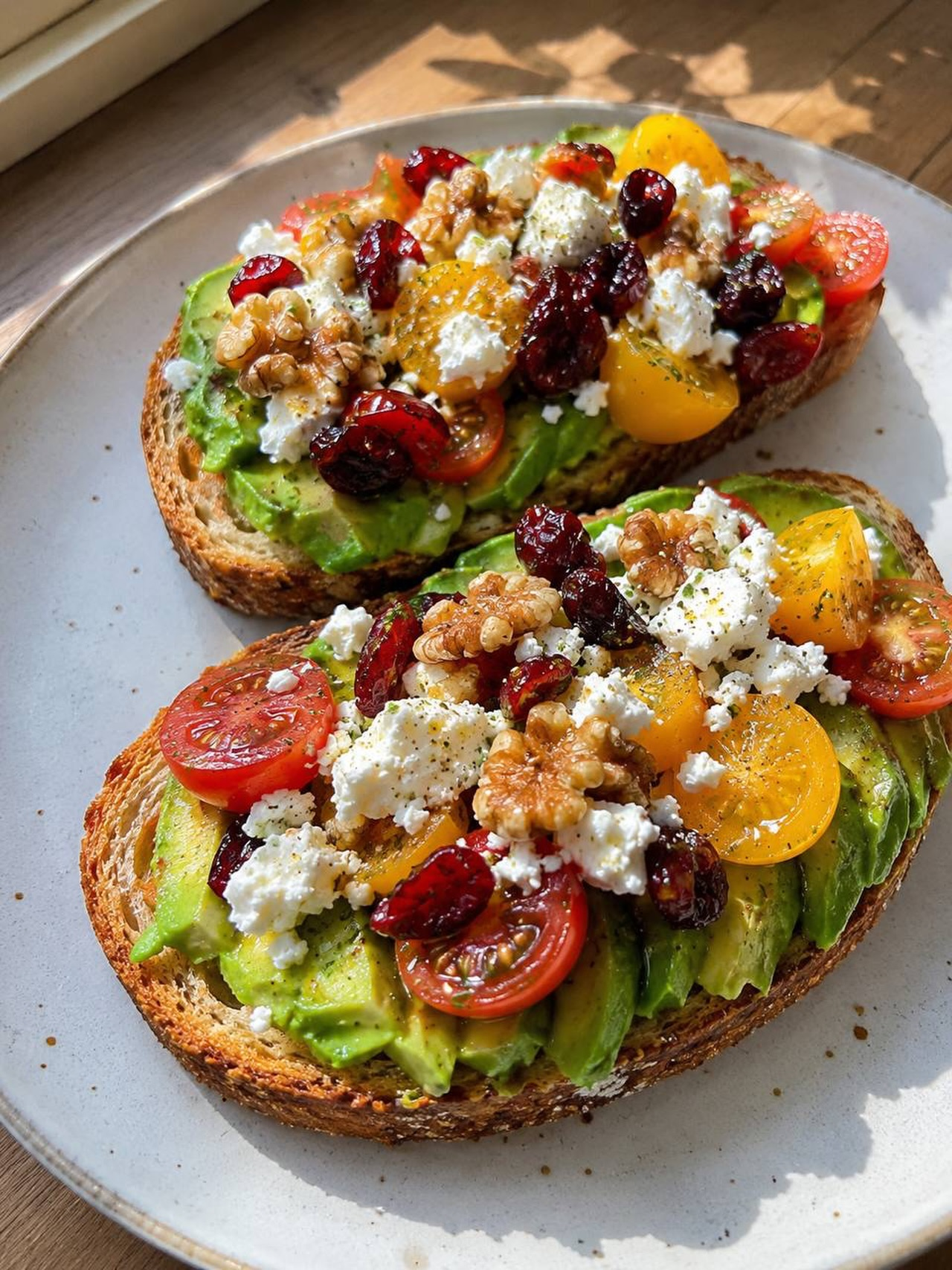
This easy avocado toast recipe turns a few everyday ingredients into a fresh, satisfying breakfast, brunch, or light lunch. Ripe avocado is mashed with lemon juice, extra-virgin olive oil, salt, and black pepper, then spread over crisp toasted bread. A pinch of red pepper flakes adds gentle heat, while optional toppings such as a fried egg, tomatoes, or feta make it easy to turn the basic toast into a more filling meal.
The secret is not a long ingredient list. It is choosing an avocado that is ripe but not mushy, using bread sturdy enough to hold the topping, and adding the avocado just before serving so the toast stays crisp. Follow the simple method below for a dependable classic, then use the topping ideas to make it your own.
Why You’ll Love This Avocado Toast
- Quick and uncomplicated: The basic version takes about 10 minutes, including toasting the bread.
- Fresh, balanced flavor: Lemon brightens the rich avocado, while olive oil and black pepper round it out.
- Easy to customize: Add eggs, tomatoes, herbs, feta, cucumber, or a little hot sauce.
- Works for different meals: Serve one slice as a snack or add a protein-rich topping and a side for a more substantial breakfast or lunch.
- Simple ingredients: You only need a ripe avocado, bread, lemon, and a few pantry seasonings.
Ingredients You’ll Need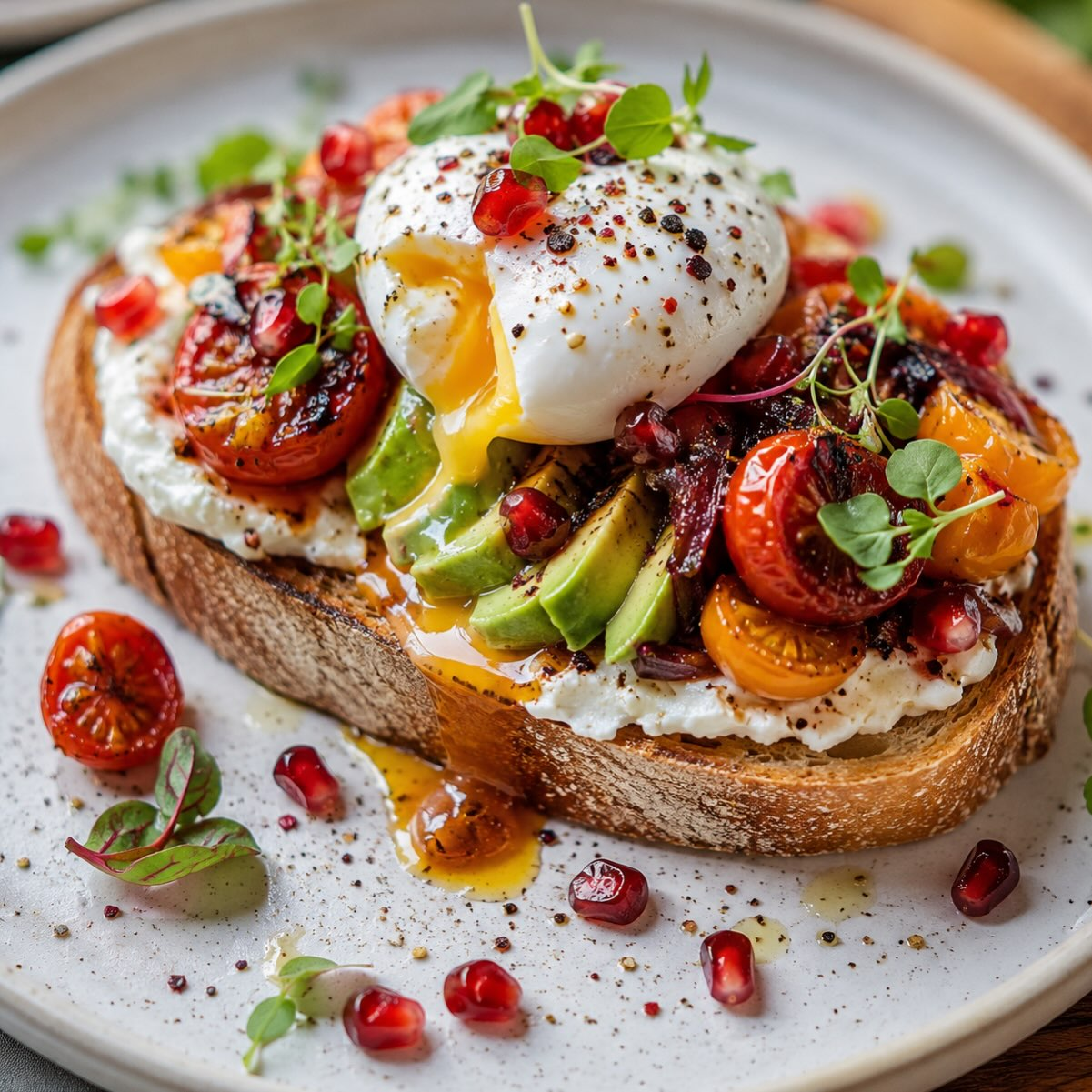
- 2 slices sturdy bread, such as sourdough, whole-grain, or multigrain
- 1 ripe medium avocado
- 1 to 2 teaspoons fresh lemon juice, to taste
- 1 teaspoon extra-virgin olive oil
- 1/8 teaspoon fine sea salt, or to taste
- Freshly ground black pepper, to taste
- Pinch of red pepper flakes, optional
Optional toppings
- 2 eggs, fried, poached, or scrambled
- Cherry tomatoes, halved or quartered
- Crumbled feta or goat cheese
- Thinly sliced radish or cucumber
- Chopped chives, parsley, cilantro, or fresh basil
- Everything bagel seasoning
- Hot sauce or a drizzle of chili crisp
- Toasted sesame seeds or pumpkin seeds
Choosing the Best Avocado
A good avocado should yield slightly when you press it gently with your fingertips. It should not feel rock-hard, but it should not collapse or feel watery and mushy either. Skin color varies by variety, so do not rely on color alone. If the avocado is very firm, leave it at room temperature until it softens. Once ripe, refrigerate it if you are not ready to use it.
For the smoothest spread, choose an avocado that gives gently under light pressure and has flesh that is creamy rather than stringy or bruised. If you cut it open and find a few small brown areas, inspect the flesh and remove any parts that are damaged or unpleasant in texture. Discard fruit that shows signs of spoilage such as mold or an off smell.
What Is the Best Bread for Avocado Toast?
Choose bread that is thick and sturdy enough to support the avocado without becoming soggy. Sourdough gives a crisp crust and a pleasantly tangy flavor. Whole-grain or multigrain bread adds a hearty texture, while country-style white bread makes a softer, classic base. Rye can also work well if you enjoy its stronger flavor.
Very thin sandwich bread can become soft under the mashed avocado, especially if you add juicy toppings. If that is what you have, toast it until crisp and spread on a moderate layer of avocado. For larger slices, use a little more avocado or make two smaller servings.
How to Make Avocado Toast
1. Prepare the avocado safely
Rinse the outside of the avocado under cool running water and dry it before cutting. This helps avoid transferring dirt or bacteria from the skin to the flesh as the knife passes through. Cut lengthwise around the pit, twist the halves apart, and remove the pit carefully with a spoon. Scoop the flesh into a small bowl.
2. Mash and season
Add the lemon juice, olive oil, salt, and a few turns of black pepper. Mash with a fork until the avocado is mostly smooth but still has a little texture. Taste and adjust the lemon and salt. If you prefer a chunkier topping, mash only a few times and leave some small pieces intact.
3. Toast the bread
Toast the bread in a toaster or in a skillet until the outside is golden and crisp. The exact time depends on the thickness and type of bread. If using a skillet, toast over medium heat, turning once, until both sides are browned. Let very hot toast sit for about 30 seconds before adding the avocado so the topping does not become overly warm and loose.
4. Assemble the toast
Divide the avocado mixture between the slices and spread it close to the edges. Add red pepper flakes if you like a little heat. Finish with your chosen toppings, then serve immediately while the bread is crisp.
Tips for the Best Avocado Toast
- Use ripe avocado, not overripe avocado. A ripe fruit mashes easily and tastes buttery. An overripe one may be watery, stringy, or have an unpleasant flavor.
- Toast the bread well. A crisp surface helps the bread stand up to the creamy topping.
- Add lemon gradually. Start with a teaspoon, taste, and add more if you want a brighter flavor. Too much juice can make the mixture loose.
- Season the avocado itself. Salt and pepper mixed into the mash distribute flavor more evenly than seasoning only the top.
- Keep some texture. A few small avocado pieces make the spread feel fresh and substantial.
- Assemble just before eating. Avocado toast is best freshly made; waiting too long can soften the bread.
- Choose toppings thoughtfully. Watery tomatoes or cucumbers are delicious, but pat them dry and add them at the last moment.
- Make it a meal when needed. Add an egg, beans, smoked salmon, or another satisfying topping rather than relying on a thin layer of avocado alone.
7 Easy Avocado Toast Topping Ideas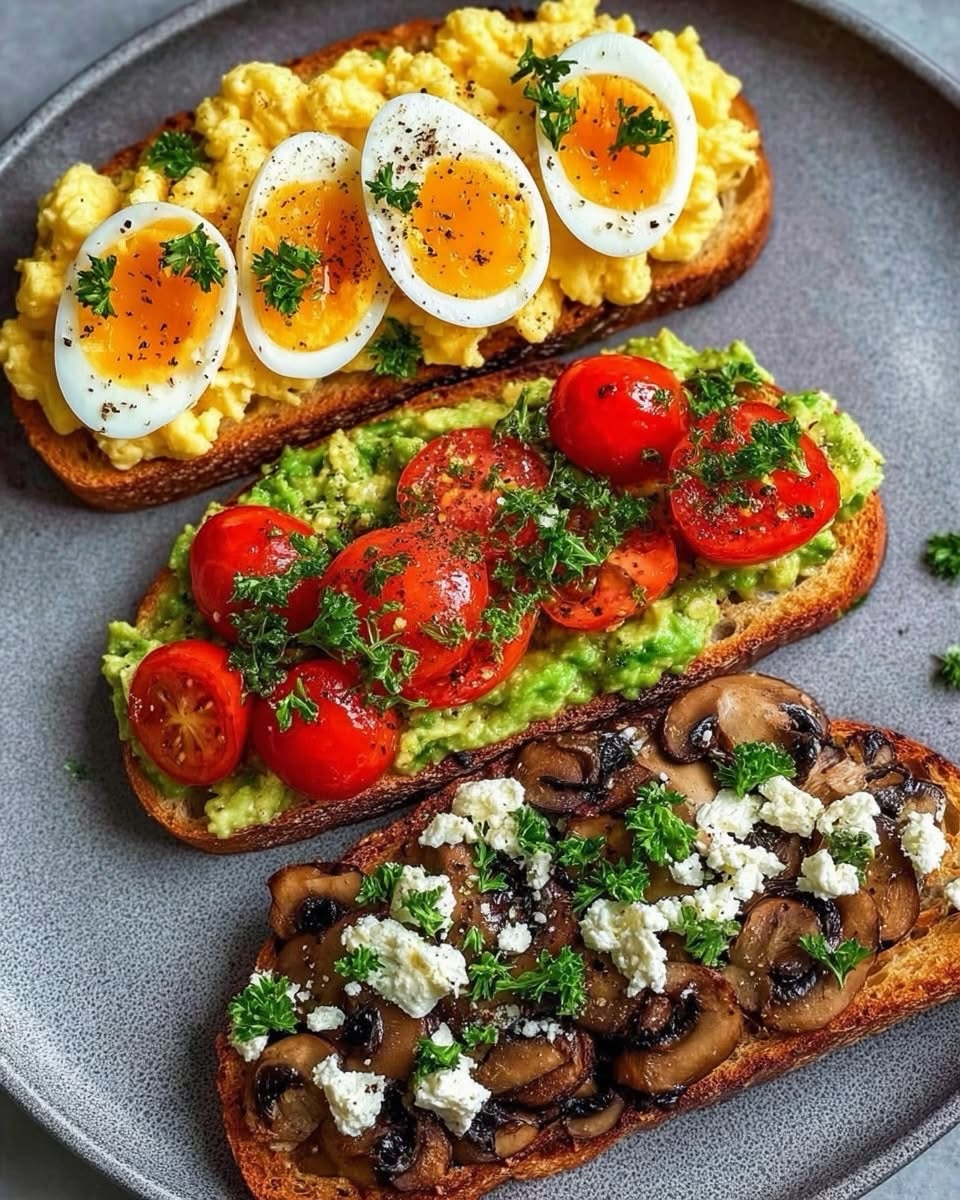
1. Avocado Toast with Egg
Top each slice with a fried, poached, or softly scrambled egg. A runny yolk creates a rich sauce that pairs well with the lemony avocado. Season the egg separately with a little salt and pepper.
2. Tomato and Basil
Add halved cherry tomatoes and torn fresh basil. A small drizzle of olive oil and a pinch of flaky salt bring the flavors together. Pat the tomatoes dry first to help keep the toast crisp.
3. Feta and Cucumber
Scatter crumbled feta and thin cucumber slices over the avocado. Finish with black pepper, chopped dill, and a little lemon zest for a cool, savory combination.
4. Everything Bagel Style
Sprinkle everything bagel seasoning over the avocado. It adds sesame, garlic, onion, and a little crunch without requiring several separate seasonings. Taste before adding more salt because the seasoning blend may already be salty.
5. Spicy Chili and Lime
Swap the lemon for lime juice, add a pinch of cayenne or red pepper flakes, and finish with a few drops of hot sauce. Cilantro makes a fresh garnish.
6. Smoked Salmon and Chives
Add a few pieces of smoked salmon and finely sliced chives. A little lemon zest and black pepper complement the salmon. Because smoked salmon is already salty, taste before adding extra salt.
7. Radish and Sesame
Layer thin radish slices over the avocado and finish with toasted sesame seeds. The radish adds a crisp, peppery bite that contrasts with the creamy spread.
How to Make Avocado Toast More Filling
The basic recipe is a light meal or snack, depending on the bread and portion size. To make it more substantial, add an egg, smoked salmon, mashed white beans, or a side of Greek yogurt or fruit. Whole-grain bread can add fiber and a heartier texture. You can also serve two slices with a simple salad or a bowl of soup.
Avocados provide mostly unsaturated fat and fiber, but the overall nutrition of your toast depends on the bread, portion size, and toppings. If you are tracking nutrition, calculate it using the exact products and amounts you use rather than relying on a generic estimate.
How to Store Leftover Avocado
Avocado toast itself does not store especially well because the bread softens after it is topped. It is best to make only what you plan to eat. If you have leftover avocado mash, transfer it to a small airtight container, smooth the surface, add a little lemon or lime juice, press food-safe wrap directly against the surface if available, close the container, and refrigerate promptly. Use it as soon as possible for the best quality; some browning may still occur.
Do not store avocados submerged in water. For safer storage, keep cut avocado covered in an airtight container in the refrigerator. Ripe whole avocados can also be refrigerated to slow further ripening. If you are unsure whether a cut avocado has been stored safely or it smells or looks spoiled, discard it.
Frequently Asked Questions
Is avocado toast healthy?
Avocado toast can be part of a balanced meal. Avocado provides fiber and mostly unsaturated fats, while whole-grain bread can contribute additional fiber. The nutrition changes with portion size and toppings, so the best choice depends on your needs and how you build the toast.
How do I keep avocado from turning brown?
Lemon or lime juice helps slow browning because the acidity reduces the oxidation that occurs when avocado flesh is exposed to air. Pressing wrap directly against the surface and storing the mash in an airtight container in the refrigerator also limits air exposure. Some discoloration may still happen.
Can I make the avocado mixture ahead of time?
You can prepare it a little ahead, but it is best close to serving. Add citrus juice, press wrap against the surface, seal it in an airtight container, and refrigerate promptly. Stir and check the flavor before using. For the crispiest result, toast the bread and assemble just before eating.
What if my avocado is too hard?
Leave it on the counter at room temperature until it yields gently to pressure. To speed ripening, place it in a paper bag with an apple or banana and check it daily. Do not refrigerate an unripe avocado if you want it to soften soon.
Can I make avocado toast without lemon?
Yes. Lime juice or a small splash of mild vinegar can provide acidity. If you prefer no citrus, season with salt and pepper and serve immediately. The flavor will be less bright and the avocado may brown more quickly.
What can I use instead of sourdough?
Whole-grain, multigrain, country-style, rye, or a thick slice of sandwich bread can all work. Choose a bread that can be toasted until crisp and hold the avocado without folding or becoming soggy.
Can I use frozen avocado?
Thawed frozen avocado is usually softer than fresh avocado, so it is better suited to a mashed spread than to neat slices. Drain any excess liquid and season to taste. The texture may be less firm, but it can still work for a quick toast.
Classic Avocado Toast Recipe
Prep time: 5 minutes
Cook time: 3 to 5 minutes
Total time: About 10 minutes
Yield: 2 servings (2 slices)
Ingredients
- 2 slices sturdy sourdough or whole-grain bread
- 1 ripe medium avocado
- 1 to 2 teaspoons fresh lemon juice
- 1 teaspoon extra-virgin olive oil
- 1/8 teaspoon fine sea salt, or to taste
- Freshly ground black pepper, to taste
- Pinch of red pepper flakes, optional
Instructions
- Rinse and dry the avocado. Cut around the pit, separate the halves, remove the pit carefully, and scoop the flesh into a bowl.
- Add lemon juice, olive oil, salt, and black pepper. Mash with a fork to your preferred texture.
- Toast the bread until golden and crisp.
- Spread the avocado mixture over the toast, dividing it evenly between the slices.
- Finish with red pepper flakes or any toppings you like. Serve immediately.
Recipe note: For a more filling breakfast, top each slice with a cooked egg. Add juicy toppings such as tomatoes just before serving to help keep the bread crisp.
Final Thoughts
Once you have a ripe avocado and good bread, homemade avocado toast is wonderfully simple. A little lemon, olive oil, salt, and pepper bring out the avocado’s creamy flavor, and the topping options make it easy to change things up throughout the week. Keep the bread crisp, assemble just before serving, and enjoy it warm and fresh.
Helpful References
- Harvard T.H. Chan School of Public Health: Avocados — selection, ripening, storage, and nutrition background.
- Cleveland Clinic: How to Safely Store Avocados — practical guidance on storing whole and cut avocados.
- U.S. Food and Drug Administration: Food Safety in Your Kitchen — general produce handling and food-safety guidance.
Leave a Reply