Authentic Spaghetti Carbonara Recipe: Creamy Italian Pasta Without Cream
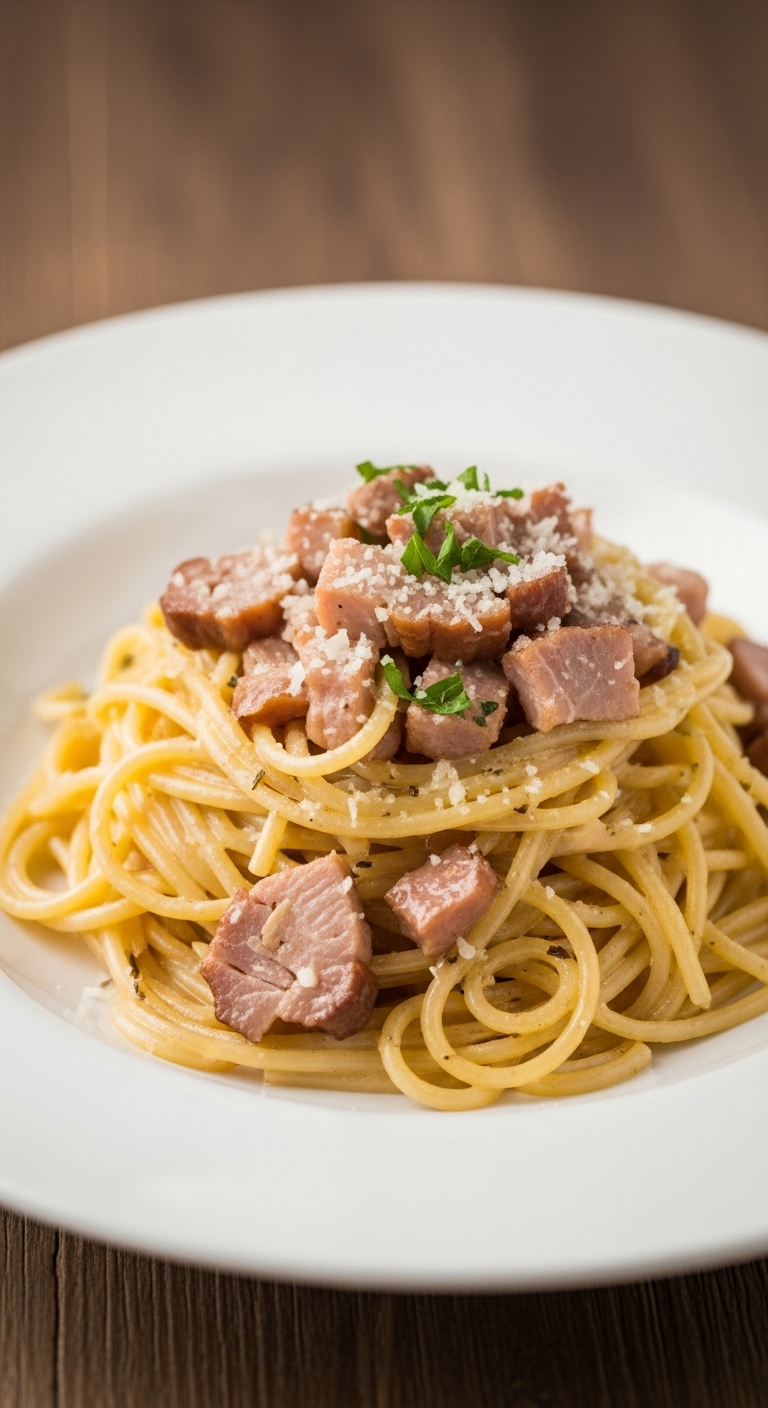
Spaghetti Carbonara is one of the most iconic Italian pasta dishes in the world. Rich, silky, savory, and surprisingly simple, this Roman classic transforms a handful of basic ingredients into an incredibly luxurious meal. Made with spaghetti, eggs, Pecorino Romano cheese, guanciale, and black pepper, authentic carbonara delivers deep flavor and creamy texture without using heavy cream.
Although many modern recipes add cream, garlic, bacon, or onions, traditional Italian carbonara relies on technique rather than extra ingredients. The magic happens when hot pasta combines with eggs and cheese to create a velvety sauce that coats every strand of spaghetti perfectly.
After reviewing top-ranking food blogs, Italian cooking websites, and restaurant-style carbonara recipes online, most successful articles follow a similar structure: they explain the origins of carbonara, emphasize authentic ingredients, focus heavily on cooking technique, and include troubleshooting tips for avoiding scrambled eggs or dry pasta. Many also dedicate detailed sections to guanciale, pasta water, and proper sauce emulsification.
This detailed guide will teach you how to make authentic Spaghetti Carbonara at home, including ingredient selection, step-by-step instructions, common mistakes, expert techniques, and delicious variations.
What Is Spaghetti Carbonara?
Spaghetti Carbonara is a traditional Roman pasta dish made with:
- Spaghetti
- Eggs
- Pecorino Romano cheese
- Guanciale
- Black pepper
Unlike Alfredo sauce, authentic carbonara does not use:
- Heavy cream
- Butter
- Flour
The creamy sauce comes entirely from eggs, cheese, rendered pork fat, and starchy pasta water.
The Origins of Carbonara
Carbonara originated in Rome, Italy, and remains one of the pillars of Roman cuisine alongside:
- Cacio e Pepe
- Amatriciana
- Gricia
Food historians debate its exact origin, but most agree carbonara became popular during or after World War II when eggs and cured pork were more widely available.
Traditional Italian recipes remain extremely simple and ingredient-focused.
Why Spaghetti Carbonara Is So Popular
Carbonara remains beloved worldwide because it is:
- Rich and comforting
- Surprisingly easy to make
- Made with simple ingredients
- Ready in under 30 minutes
- Deeply flavorful
- Restaurant-quality at home
The balance of salty cheese, crispy pork, creamy sauce, and black pepper creates an unforgettable pasta dish.
Authentic Carbonara Ingredients
Traditional Italian carbonara uses only a few ingredients.
Main Ingredients
- 1 pound spaghetti
- 4 egg yolks
- 1 whole egg
- 1 cup grated Pecorino Romano cheese
- 8 ounces guanciale
- Freshly cracked black pepper
- Salt for pasta water
That is all you truly need for authentic carbonara.
What Is Guanciale?
Guanciale is cured pork cheek commonly used in Roman pasta dishes.
It provides:
- Rich savory flavor
- Crispy texture
- Silky rendered fat
Many authentic Italian recipes strongly recommend guanciale for traditional flavor.
Guanciale vs Pancetta vs Bacon
Many home cooks substitute guanciale when unavailable.
Guanciale
- Traditional choice
- Richest flavor
- Highest fat content
Pancetta
- Good substitute
- Mild cured pork flavor
- Less fatty
Bacon
- Common substitute
- Smokier flavor
- Less authentic
Although bacon works, it changes the flavor profile significantly.
Best Cheese for Carbonara
Authentic recipes use:
- Pecorino Romano
This cheese provides:
- Sharp salty flavor
- Creamy texture
- Traditional Roman taste
Some recipes combine:
- Pecorino Romano
- Parmesan cheese
However, most Italian chefs prefer Pecorino alone for authenticity.
Why Carbonara Does Not Use Cream
One of the biggest misconceptions about carbonara is that it requires heavy cream.
Authentic carbonara becomes creamy because of:
- Egg yolks
- Cheese
- Pork fat
- Pasta water
The starch in pasta water helps emulsify the sauce into a silky coating.
Traditional Italian recipes strongly discourage adding cream.
Step-by-Step Authentic Spaghetti Carbonara Recipe
Step 1: Boil the Pasta
Bring a large pot of salted water to a boil.
Cook spaghetti until:
- Al dente
Reserve:
- 1–2 cups pasta water before draining
The starchy pasta water is essential for the sauce.
Step 2: Prepare the Egg Mixture
In a bowl combine:
- Egg yolks
- Whole egg
- Pecorino Romano
- Fresh black pepper
Whisk until smooth and creamy.
Many top-rated recipes emphasize mixing cheese thoroughly into the eggs before combining with pasta.
Step 3: Cook the Guanciale
Dice guanciale into small strips or cubes.
Cook in a skillet over medium heat until:
- Crispy
- Golden brown
- Fat fully rendered
Do not discard the rendered fat.
The fat becomes part of the sauce.
Step 4: Combine Pasta and Guanciale
Add hot drained pasta directly into the skillet.
Toss thoroughly so pasta absorbs the rendered fat.
Step 5: Create the Carbonara Sauce
Remove skillet from direct heat.
Slowly add egg and cheese mixture while tossing continuously.
Add small amounts of reserved pasta water as needed.
The sauce should become:
- Glossy
- Smooth
- Creamy
without scrambling the eggs.
This is the most important step in carbonara preparation.
The Secret to Creamy Carbonara
Perfect carbonara depends on temperature control.
Important Technique
The pan should be:
- Hot enough to thicken eggs
- Not hot enough to scramble them
Residual heat from the pasta usually works perfectly.
Why Pasta Water Matters
Pasta water contains starch that helps:
- Emulsify the sauce
- Create silkiness
- Help sauce cling to pasta
Most professional chefs consider pasta water essential for proper carbonara texture.
Common Carbonara Mistakes to Avoid
Scrambled Eggs
Cause:
- Pan too hot
Solution:
- Remove from heat before adding eggs
Dry Pasta
Cause:
- Insufficient pasta water
Solution:
- Add pasta water gradually
Bland Flavor
Cause:
- Not enough cheese or black pepper
Solution:
- Season aggressively
Authentic carbonara relies heavily on bold cheese and pepper flavor.
Best Pasta for Carbonara
Although spaghetti is most common, several pasta shapes work well.
Popular Choices
- Spaghetti
- Rigatoni
- Bucatini
- Fettuccine
- Tonnarelli
Long pasta shapes hold sauce beautifully.
Variations of Carbonara
Many modern recipes adapt traditional carbonara.
Creamy Carbonara
Some non-traditional versions add:
- Heavy cream
Result:
Extra-rich sauce.
Not authentic, but popular.
Garlic Carbonara
Adds:
- Garlic cloves
Creates extra savory depth.
Traditional Roman recipes usually omit garlic.
Mushroom Carbonara
Adds:
- Sautéed mushrooms
Result:
Earthy flavor and additional texture.
Chicken Carbonara
Includes:
- Grilled chicken
Popular in American restaurants though not traditional Italian cuisine.
Spicy Carbonara
Adds:
- Red pepper flakes
Result:
Mild heat and extra complexity.
Best Side Dishes for Carbonara
Carbonara pairs beautifully with light sides.
Recommended Sides
- Caesar salad
- Arugula salad
- Garlic bread
- Roasted vegetables
- Bruschetta
Light sides balance the richness of the pasta.
Tips for Restaurant-Quality Carbonara
Use Freshly Grated Cheese
Pre-shredded cheese does not melt as smoothly.
Freshly grated Pecorino creates better texture.
Cook Pasta Al Dente
Slightly firm pasta holds sauce better.
Work Quickly
Carbonara comes together fast.
Prepare ingredients before cooking.
Use Fresh Black Pepper
Fresh cracked pepper provides essential flavor.
Traditional carbonara uses generous amounts.
How to Store Leftover Carbonara
Carbonara is best eaten fresh, but leftovers can be stored.
Refrigeration
Store in airtight container for:
- Up to 3 days
Reheating Carbonara Properly
Reheat gently over low heat.
Add:
- Splash of water
- Small amount of milk
Avoid microwaving aggressively because eggs may scramble.
Is Carbonara Healthy?
Carbonara is rich and indulgent but can fit into balanced eating when enjoyed in moderation.
It provides:
- Protein
- Calcium
- Energy-rich carbohydrates
Portion size matters because of:
- Cheese
- Pork fat
- Pasta
Frequently Asked Questions
Can I Use Bacon Instead of Guanciale?
Yes.
Bacon is common outside Italy, though flavor becomes smokier and less traditional.
Why Did My Eggs Scramble?
The pan was likely too hot.
Always remove from direct heat before adding eggs.
Can I Make Carbonara Without Cheese?
Cheese is essential for authentic carbonara flavor and texture.
Does Authentic Carbonara Use Cream?
No.
Traditional Roman carbonara uses only:
- Eggs
- Cheese
- Pork fat
- Pasta water
Why Carbonara Remains a Timeless Italian Classic
Carbonara demonstrates how a few simple ingredients can create extraordinary flavor when prepared properly. The silky sauce, salty Pecorino, crispy guanciale, and bold black pepper create a pasta dish that feels luxurious despite its simplicity.
Its popularity continues because it is:
- Fast
- Comforting
- Elegant
- Deeply satisfying
Final Thoughts
Spaghetti Carbonara is one of the greatest pasta dishes in Italian cuisine. Rich yet simple, creamy without cream, and deeply flavorful, it showcases the beauty of traditional Roman cooking.
The secret to exceptional carbonara lies in:
- Quality ingredients
- Proper temperature control
- Starchy pasta water
- Freshly grated cheese
- Correct technique
Once you master authentic carbonara, it becomes one of the most rewarding and impressive pasta dishes you can make at home.
Whether served for a weeknight dinner, romantic meal, or special occasion, Spaghetti Carbonara delivers comforting Italian flavor that never goes out of style.