Buttermilk Scrambled Eggs: The Secret to Fluffy, Creamy, and Irresistibly Delicious Mornings
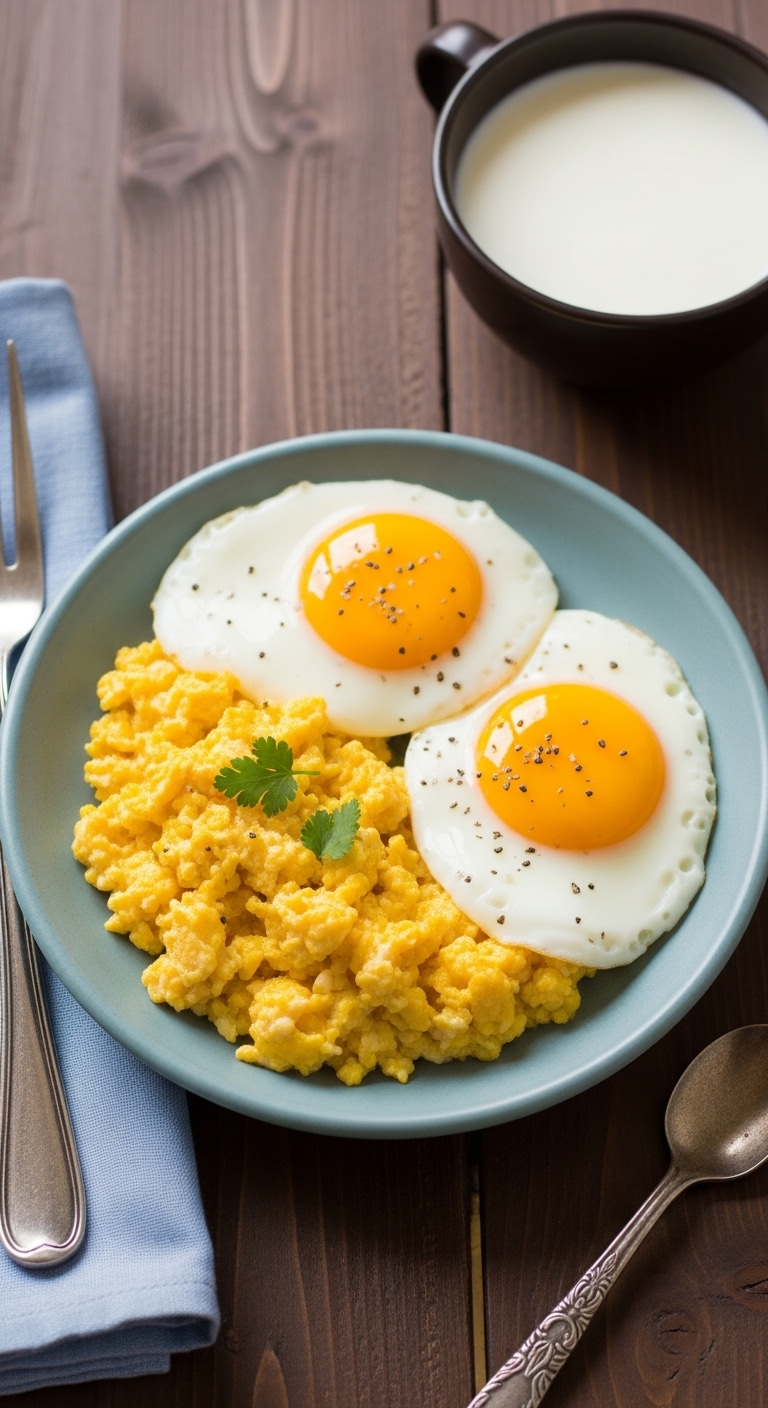
Scrambled eggs are a universal breakfast favorite—simple, satisfying, and endlessly customizable. But when you add one secret ingredient—buttermilk—they rise to a whole new level of creamy perfection. The slight tang and natural acidity of buttermilk don’t just add flavor; they help create unbelievably soft, velvety eggs that melt in your mouth. If you’ve been looking for a way to make your scrambled eggs taste like something from a gourmet brunch café, this recipe is it.
In this guide, we’ll explore exactly how to make buttermilk scrambled eggs that are fluffy and rich, why buttermilk works so well, variations to keep your mornings exciting, and expert tips that guarantee perfect results every time.
Why Buttermilk Works Wonders in Scrambled Eggs
Buttermilk may not be the first thing you think of when making eggs, but it’s a game changer. The natural acidity of buttermilk tenderizes the egg proteins, making them softer and creamier. At the same time, the slight tang balances the richness of the yolks and butter, giving a more rounded flavor profile.
Compared to milk or cream, buttermilk adds a bit more structure without heaviness. It enhances the eggs’ moisture and gives them a subtle brightness that cuts through the fattiness of traditional scrambled eggs. The result is a dish that tastes indulgent yet feels light on the palate.
Ingredients for Buttermilk Scrambled Eggs
To make about 2 generous servings, you’ll need:
- 4 large eggs
- 3 tablespoons buttermilk
- 1 tablespoon unsalted butter
- Salt and black pepper, to taste
- Optional garnish: chopped chives, parsley, or shredded cheese
Step-by-Step Instructions
1. Whisk the Eggs and Buttermilk
In a medium mixing bowl, crack the eggs and add the buttermilk. Season lightly with salt and pepper. Whisk the mixture until the eggs and buttermilk are completely combined and slightly frothy—this incorporates air, which helps with fluffiness.
2. Preheat Your Pan
Heat a nonstick skillet over low to medium-low heat. Add the butter and let it melt slowly until it begins to foam. The key to perfect scrambled eggs is gentle heat—too high, and the eggs will overcook and lose their tenderness.
3. Pour and Stir Gently
Pour the egg mixture into the pan. Wait just a few seconds for the edges to start setting, then gently stir with a silicone spatula or wooden spoon. Use a slow folding motion rather than rapid stirring—this creates soft curds rather than tiny bits.
4. Cook to Soft and Creamy
Continue to push the eggs from the edges toward the center, letting uncooked portions flow to the surface. Remove the pan from the heat just before the eggs are fully set; they’ll finish cooking from residual heat.
5. Garnish and Serve
Sprinkle with chopped chives, parsley, or grated cheese for a finishing touch. Serve immediately with warm toast, roasted tomatoes, or avocado slices.
Texture Secrets: Getting That Perfect Creaminess
The trick to creamy scrambled eggs lies in temperature control and timing.
- Low and slow cooking: This allows the curds to form gently without overcoagulating the proteins.
- Buttermilk balance: Too much can make the eggs watery; about 1 tablespoon per 2 eggs is ideal.
- Pull early from the heat: Eggs continue to cook after removing from the stove—stopping early keeps them soft and luscious.
If you’ve ever wondered how restaurant eggs achieve that silky consistency, this method—and a little buttermilk—is the answer.
Why Buttermilk Beats Regular Milk
Milk adds moisture but can make eggs flat or watery if overheated. Cream adds richness but sometimes feels heavy. Buttermilk strikes the perfect balance—it’s creamy without being thick and has acidity that prevents the eggs from getting rubbery. The flavor it adds is subtle but distinctive—slightly tangy, comforting, and fresh.
Flavor Variations to Try
Once you master the base recipe, you can play with endless combinations to make your breakfast even more exciting.
Cheesy Buttermilk Scrambled Eggs
Add ¼ cup shredded cheddar, Gruyère, or feta toward the end of cooking. The buttermilk enhances the cheese’s creaminess for a decadent result.
Herbed Buttermilk Scrambled Eggs
Mix in a tablespoon of finely chopped herbs like dill, parsley, or basil. The freshness complements the buttermilk’s tang beautifully.
Spicy Buttermilk Scrambled Eggs
Add a pinch of chili flakes or diced jalapeños for a morning kick.
Garlic Butter Buttermilk Scrambled Eggs
Melt a bit of garlic butter before adding the eggs to infuse a savory, aromatic depth.
Vegetable Buttermilk Scrambled Eggs
Fold in sautéed spinach, mushrooms, or bell peppers for extra nutrition and texture.
Expert Tips for the Fluffiest Buttermilk Scrambled Eggs
- Use fresh eggs: They hold their shape and whip up fluffier.
- Avoid over-salting early: Salt can toughen eggs if added too soon; season lightly before cooking, then adjust to taste after.
- Don’t overmix: Overbeating can break the protein structure, leading to grainy eggs.
- Keep stirring gently: The slower and more controlled your movement, the creamier the texture.
- Finish with butter or cream: For ultra-luxurious eggs, stir in a teaspoon of butter or cream right before serving.
What to Serve with Buttermilk Scrambled Eggs
These rich, fluffy eggs are versatile and pair beautifully with a variety of sides.
- Classic Toast or Biscuits: The soft texture contrasts perfectly with crispy toast or flaky buttermilk biscuits.
- Roasted Vegetables: Oven-roasted asparagus, tomatoes, or mushrooms make a wholesome pairing.
- Breakfast Meats: Pair with sausage links, crispy bacon, or smoked salmon for a heartier breakfast.
- Avocado Toast: Spread ripe avocado on sourdough and top with your scrambled eggs for a trendy, nourishing meal.
- Fresh Fruit: A side of berries, melon, or citrus brightens the plate and balances the richness.
Buttermilk Nutrition Boost
Adding buttermilk doesn’t just improve texture—it also makes your scrambled eggs more nutritious. Buttermilk is naturally low in fat (especially the cultured kind) and rich in calcium, potassium, and probiotics that support gut health. Combined with eggs’ protein and vitamins, you’re starting your day with a nutrient-packed meal that’s as wholesome as it is delicious.
Common Mistakes to Avoid
- High heat cooking: This causes eggs to seize up and turn rubbery.
- Too much buttermilk: Excess liquid can make eggs watery. Stick to the ratio in the recipe.
- Using metal utensils: Metal can scratch nonstick pans and break up the curds too much. A silicone spatula is best.
- Neglecting the resting time: Taking the eggs off the heat a little early ensures carryover cooking finishes them perfectly.
Storage and Reheating
While scrambled eggs are best enjoyed fresh, you can store leftovers:
- Refrigerate: In an airtight container for up to 2 days.
- Reheat gently: Use low heat on the stovetop or 15-second microwave bursts, stirring between each. Add a splash of buttermilk to restore creaminess.
Avoid freezing scrambled eggs, as they tend to lose their texture.
A Morning Comfort Classic
Buttermilk scrambled eggs embody everything you want in a comforting breakfast—simple ingredients, effortless preparation, and a melt-in-your-mouth texture that feels indulgent without being heavy. Whether you’re cooking for yourself on a quiet morning or hosting a weekend brunch, these eggs deliver both warmth and sophistication.
With just a few minutes and one humble ingredient—buttermilk—you can transform everyday scrambled eggs into something extraordinary.