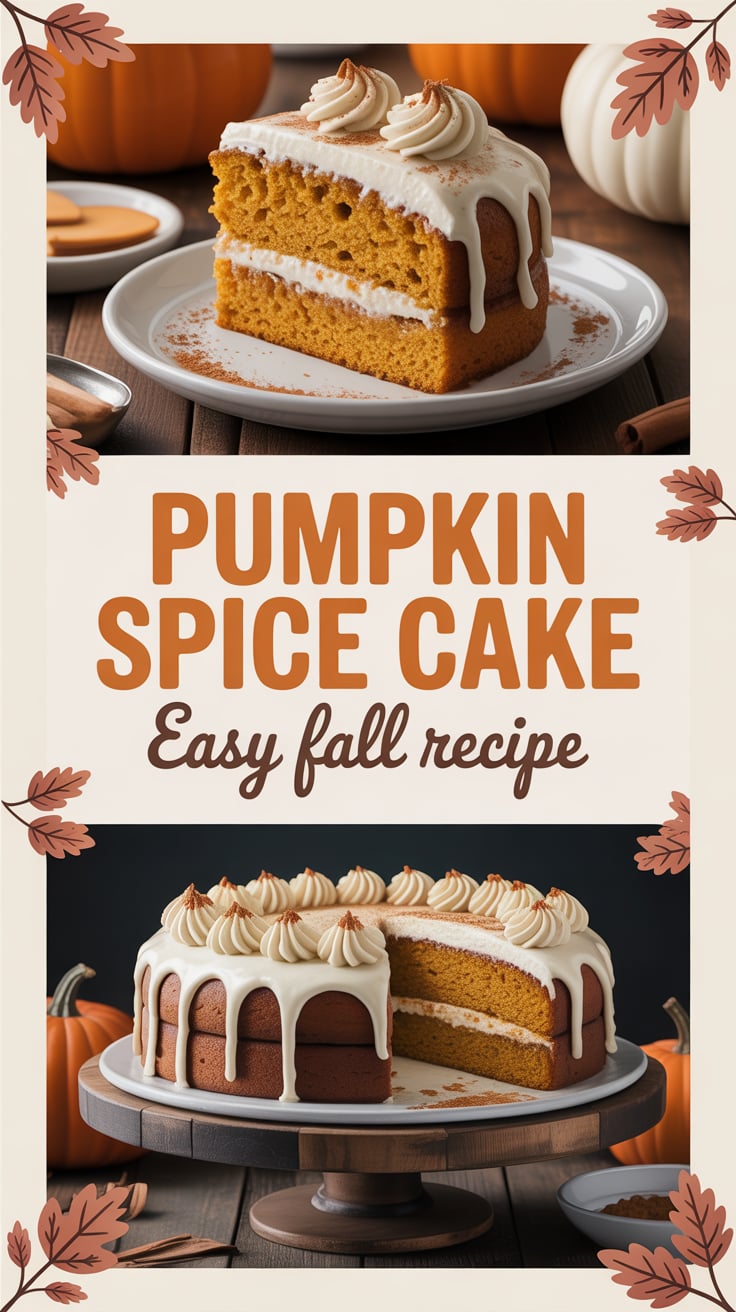
Gingerbread Cake: A Warm, Spiced Classic for the Holidays
When the holiday season arrives, there’s one dessert that fills kitchens with nostalgia, warmth, and irresistible aroma — the classic Gingerbread Cake. Infused with the rich scent of molasses, ginger, cinnamon, and cloves, this cake is a heartwarming embodiment of Christmas coziness. But it’s not just a December treat — its deep, comforting flavor makes it a delightful bake for chilly days all year long.
Whether served plain, dusted with powdered sugar, or topped with creamy frosting, gingerbread cake captures that perfect balance between sweet and spicy. In this guide, we’ll dive deep into everything you need to know about making the perfect gingerbread cake — from its history and ingredients to baking tips, serving ideas, and creative variations.
1. The History of Gingerbread Cake
Gingerbread has a long and fascinating history that dates back centuries. Originating in Europe during the Middle Ages, it was initially a dense, honey-based bread flavored with exotic spices like ginger, nutmeg, and black pepper — luxury ingredients at the time. Monks in Germany are credited with perfecting the early recipes, using wooden molds to shape gingerbread into festive designs.
By the 16th century, molasses had replaced honey in many recipes, giving gingerbread its signature dark color and deep flavor. The concept of gingerbread houses gained popularity in Germany — inspired by the tale of Hansel and Gretel. When European settlers brought their recipes to the Americas, gingerbread evolved again, becoming softer, lighter, and more cake-like — what we now know as gingerbread cake.
2. Why You’ll Love Gingerbread Cake
There’s something magical about the combination of spices that defines this dessert. Gingerbread cake delivers:
- Warmth and Comfort: The blend of ginger, cinnamon, cloves, and nutmeg creates a cozy, aromatic experience.
- Rich, Deep Flavor: Thanks to molasses, the cake has a distinctive caramel-like sweetness with slightly smoky undertones.
- Moist and Tender Texture: With the right balance of fat and liquid, gingerbread cake stays deliciously soft for days.
- Versatility: Serve it plain, frosted, or paired with fruit, caramel, or whipped cream — it adapts beautifully to any setting.
- Perfect for Every Occasion: While it shines during Christmas, it’s just as lovely for Sunday desserts or afternoon tea.
3. Ingredients That Make Gingerbread Cake Perfect
Let’s break down the key ingredients that create this holiday masterpiece:
a. Molasses
The soul of gingerbread. It lends deep flavor, moisture, and that signature dark brown color. Unsulfured molasses is best — it’s rich without being overly bitter.
b. Brown Sugar
Adds sweetness while enhancing the cake’s caramel undertone. Dark brown sugar intensifies flavor; light brown sugar makes it milder.
c. Spices
The spice blend defines the personality of gingerbread. Use a combination of:
- Ground ginger (the star)
- Cinnamon (warmth)
- Cloves (depth)
- Nutmeg (balance)
- Optional: allspice or cardamom for extra complexity
d. Fat
Traditionally, butter gives richness, but you can also use oil for a softer, moister crumb.
e. Liquid
Hot water or buttermilk keeps the batter smooth and helps dissolve molasses and sugar evenly.
f. Flour and Leavening
All-purpose flour plus baking soda gives the cake structure and lightness. The baking soda reacts with the acidity of molasses for perfect rise.
g. Eggs
Provide stability and help bind all ingredients, ensuring the cake holds together beautifully.
4. Step-by-Step Recipe: Classic Gingerbread Cake
Ingredients:
- 2½ cups all-purpose flour
- 1 teaspoon baking soda
- ½ teaspoon salt
- 1 tablespoon ground ginger
- 2 teaspoons cinnamon
- ¼ teaspoon cloves
- ¼ teaspoon nutmeg
- ½ cup unsalted butter, softened
- ½ cup brown sugar
- 1 cup molasses (unsulfured)
- 1 large egg
- 1 cup hot water (or buttermilk for richer flavor)
Instructions:
Step 1: Preheat and Prepare
Preheat your oven to 350°F (175°C). Grease and flour a 9-inch square or round baking pan. Line the bottom with parchment paper for easy removal.
Step 2: Mix the Dry Ingredients
In a medium bowl, whisk together flour, baking soda, salt, ginger, cinnamon, cloves, and nutmeg. Set aside.
Step 3: Cream Butter and Sugar
In a large mixing bowl, beat the butter and brown sugar together until light and fluffy. This adds air to the batter, ensuring a soft crumb.
Step 4: Add Molasses and Egg
Beat in the molasses, followed by the egg. The mixture will look slightly separated — that’s normal.
Step 5: Combine Wet and Dry
Gradually add the dry ingredients, alternating with the hot water (or buttermilk). Begin and end with dry ingredients. Mix until smooth and uniform — but don’t overmix.
Step 6: Bake
Pour batter into the prepared pan and smooth the top. Bake for 35–40 minutes, or until a toothpick inserted in the center comes out clean.
Step 7: Cool and Serve
Let the cake cool completely before slicing. Dust with powdered sugar, or frost for extra indulgence.
5. Frosting and Topping Ideas
The beauty of gingerbread cake lies in how well it pairs with a variety of toppings. Here are some delicious ways to elevate it:
a. Cream Cheese Frosting
The tangy cream cheese contrasts perfectly with the warm spices.
- Mix cream cheese, butter, powdered sugar, and vanilla until creamy.
- Spread over cooled cake and sprinkle with cinnamon or crushed ginger snaps.
b. Lemon Glaze
For a bright twist, drizzle with lemon glaze made from powdered sugar and fresh lemon juice. The citrus cuts through the richness of molasses beautifully.
c. Whipped Cream
A dollop of fresh whipped cream turns every slice into a cozy treat — perfect with coffee or tea.
d. Caramel Drizzle
Homemade salted caramel drizzled over warm gingerbread cake adds a luxurious finish.
e. Sugared Cranberries
For holiday flair, top the cake with sugared cranberries and mint leaves — stunning and delicious!
6. Variations on the Classic Gingerbread Cake
Once you’ve mastered the base recipe, try these creative twists:
a. Gingerbread Cupcakes
Bake the batter in cupcake tins and top with cream cheese or maple frosting. Perfect for holiday parties.
b. Chocolate Gingerbread Cake
Add 2 tablespoons of cocoa powder for a chocolate-spiced version that’s rich and unique.
c. Sticky Gingerbread Pudding
Serve warm gingerbread drizzled with a toffee or caramel sauce for a decadent British-style dessert.
d. Gingerbread Bundt Cake
Use a bundt pan for an elegant presentation. Dust with powdered sugar or glaze with orange icing.
e. Vegan Gingerbread Cake
Substitute plant-based butter, flax egg, and non-dairy milk — the flavors remain beautifully bold.
7. Tips for Perfect Gingerbread Every Time
- Use Fresh Spices: Old spices lose potency. Freshly ground spices give the best flavor.
- Don’t Overbake: Gingerbread cake should be moist — check for doneness a few minutes early.
- Avoid Overmixing: Mix until just combined to prevent a dense texture.
- Let It Rest: The flavor deepens after 24 hours — gingerbread actually tastes better the next day.
- Serve Warm: A few seconds in the microwave enhances the aroma and texture before serving.
8. What to Serve With Gingerbread Cake
Pairing the right accompaniments can transform your dessert from simple to spectacular:
- Vanilla Ice Cream: The contrast of warm cake and cold ice cream is unbeatable.
- Hot Apple Cider or Mulled Wine: Complements the spices beautifully.
- Espresso or Chai Latte: Bold drinks enhance the deep flavors of gingerbread.
- Fruit Compote: Warm stewed apples or pears add sweetness and freshness.
9. Storing and Freezing Gingerbread Cake
Storage:
Keep your gingerbread cake at room temperature, covered, for up to 3 days. If frosted, refrigerate and bring to room temperature before serving.
Freezing:
Wrap unfrosted cake tightly in plastic and foil, then freeze for up to 3 months. Thaw overnight in the fridge before reheating or decorating.
10. Why Gingerbread Cake Belongs in Every Kitchen
This cake represents everything beautiful about home baking — simplicity, warmth, and tradition. Its aroma alone can fill a home with comfort, while its deep, spicy sweetness brings people together around the table. You don’t need fancy ingredients or equipment — just patience, good spices, and love.
Whether you serve it on Christmas Eve with twinkling lights in the background or bake it on a rainy afternoon to lift your mood, gingerbread cake never fails to deliver joy. It’s an edible hug — nostalgic, flavorful, and timeless.
Final Thoughts
In an era of ever-changing dessert trends, Gingerbread Cake remains a cherished classic — humble, fragrant, and deeply satisfying. It’s a celebration of flavor and history, reminding us that sometimes, the simplest recipes hold the most meaning.
So this holiday season, preheat your oven, gather your spices, and fill your kitchen with the scent of ginger and molasses. Slice yourself a piece of cozy nostalgia, pour a mug of hot cocoa, and savor the magic that only a perfect gingerbread cake can bring.