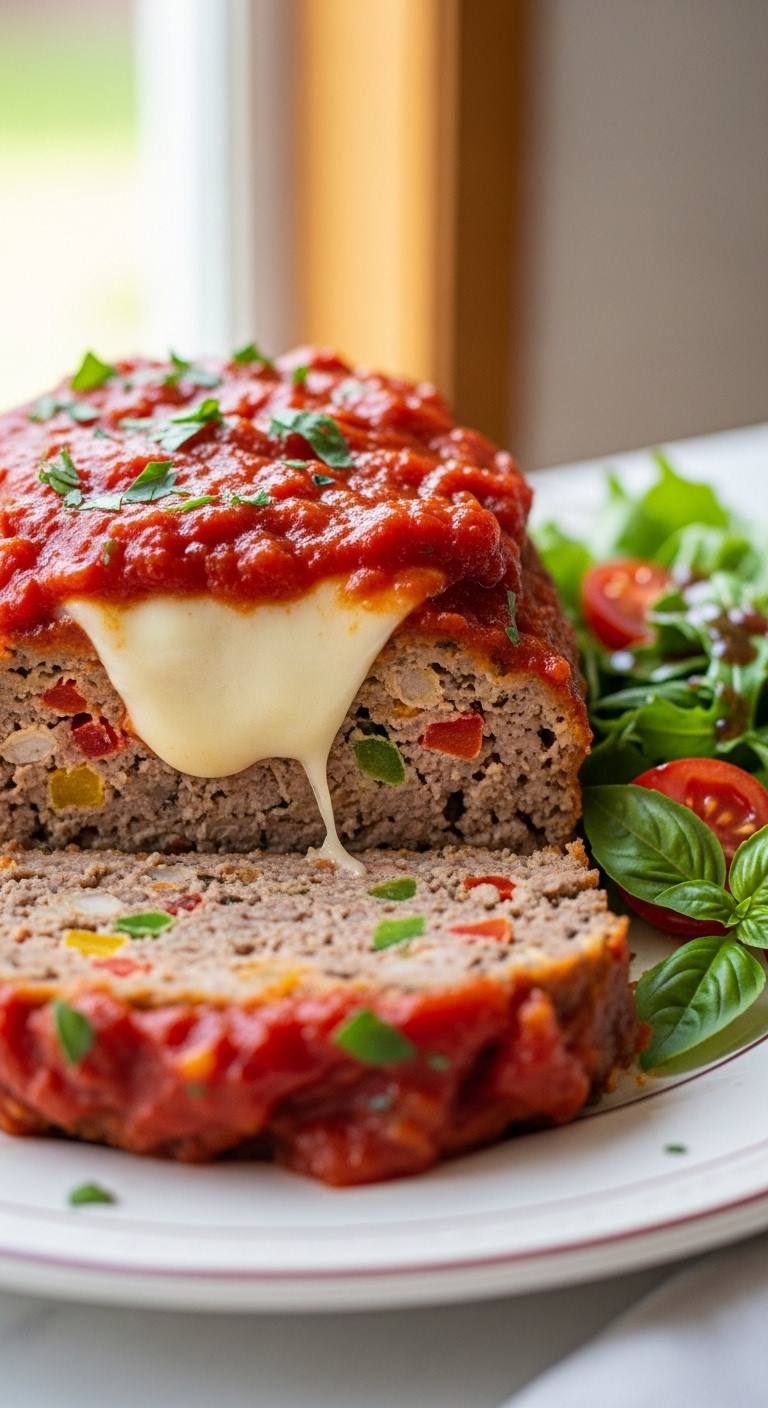
Italian Meatloaf: A Cozy, Herb-Packed Twist on a Classic Winter Comfort Dish
When winter arrives with its chilly evenings and early sunsets, home cooks naturally gravitate toward meals that provide warmth, richness, and comfort. Italian Meatloaf is one of those dishes—deeply savory, wonderfully aromatic, and simple enough for a weeknight yet elegant enough for holiday gatherings. With its blend of herbs, Parmesan cheese, garlic, and a glossy tomato topping, this Italian twist elevates traditional meatloaf into a vibrant, crave-worthy centerpiece.
This dish delivers everything readers want during the colder months: oven-baked coziness, nostalgic flavors, and a hearty texture that fills the home with irresistible aromas. Whether you’re preparing it for a casual family dinner or adding it to a festive winter menu, Italian Meatloaf brings both comfort and character to the season.
Why Italian Meatloaf Fits Perfectly Into Winter Cooking
Winter recipes tend to follow a few key themes: warmth, simplicity, affordability, and deep flavor. Italian Meatloaf checks every box, which is why it consistently performs well in search results from November through February.
It warms the home as it bakes.
It uses everyday ingredients that are easy on the budget.
It’s forgiving and beginner-friendly.
It pairs beautifully with classic winter sides.
It brings Italian herb aromas that feel rustic and inviting.
This version especially stands out because it leans into Mediterranean flavors without complicating the process. It is homestyle cooking with a gourmet feel—something winter audiences love.
Ingredients That Build Strong Italian Flavor
Italian Meatloaf is all about layering flavors that complement each other. Together, they create a dish that tastes slow-simmered and richly seasoned without requiring hours in the kitchen.
Ground beef
Italian sausage
Breadcrumbs or soaked crusty bread
Eggs
Milk
Fresh parsley or basil
Italian seasoning
Onion
Garlic
Grated Parmesan
Salt and pepper
Tomato paste, marinara, or crushed tomatoes for glazing
The combination of beef and Italian sausage adds depth, while Parmesan provides salty richness that melts directly into the meat. The herbs brighten the dish and lift its richness—perfect for counterbalancing winter heaviness.
Step-by-Step Method for Making Italian Meatloaf
Make the breadcrumb mixture
Combine breadcrumbs with milk and allow them to soften. This creates a tender texture rather than a dense one.
Sauté onions and garlic
Cooking them first ensures sweetness and prevents raw, overpowering flavors.
Mix the meatloaf
Gently combine beef, sausage, breadcrumbs, eggs, cheese, herbs, onion, garlic, and seasonings. The key is to mix lightly—overworking leads to a firm, compact loaf.
Shape the loaf
Form it by hand on a baking sheet for maximum browning. For a more compact shape, use a loaf pan.
Add the signature glaze
Spread tomato paste or marinara over the top. Some cooks add balsamic vinegar or grated Parmesan for extra flavor.
Bake
Bake at 350°F until it reaches an internal temperature of 160°F.
Rest the loaf
Letting the meatloaf rest for 10 minutes allows juices to redistribute, resulting in clean slices and a moist interior.
The method is uncomplicated and reliable. Even newer cooks can follow these steps confidently and achieve excellent winter-ready results.
What Makes This Italian Version Better Than Classic Meatloaf?
Italian Meatloaf stands out due to stronger aromatics and richer layers of flavor. Instead of relying solely on salt and ketchup, this recipe uses:
Fresh garlic
Italian seasoning
Tomato-based glaze
Parmesan cheese
Herbs like parsley, oregano, or basil
Italian sausage
These ingredients infuse the loaf with warmth and fragrance, making each bite more layered and satisfying. The tomato glaze adds tang and sweetness that caramelize in the oven, giving the dish a roasted finish that feels extremely comforting on cold winter days.
Perfect Winter Sides to Serve with Italian Meatloaf
Italian Meatloaf works well with a wide range of seasonal sides, which is one reason it performs strongly on winter food blogs. Readers love versatility, and this dish adapts easily to nearly any preference.
Mashed potatoes
A classic pairing, especially with garlic or Parmesan mashed potatoes.
Roasted winter vegetables
Think Brussels sprouts, carrots, parsnips, or a medley seasoned with herbs.
Creamy polenta
Soft, warm, and luxurious—perfect for soaking up tomato glaze.
Pasta
A side of buttered noodles or spaghetti with olive oil and herbs creates an Italian-inspired plate.
Green beans
A lighter, crisp vegetable side balances out the rich meat.
Crusty bread
Ideal for scooping up leftover sauce and juices.
Offering side options helps readers customize their meals and boosts engagement and scroll time on blog posts.
Winter Meal Prep, Storage, and Leftover Transformations
One of the biggest advantages of Italian Meatloaf is how well it keeps. During busy winter evenings, leftovers become a lifesaver, and this recipe tastes even better the next day.
Refrigerate
Store in an airtight container for up to four days.
Freeze
Wrap tightly and store up to three months.
Reheat
Warm slowly with a spoonful of marinara or broth to keep it moist.
Creative leftover ideas
Italian meatloaf sandwiches with toasted ciabatta
Meatloaf stuffed inside baked potatoes
Crumble meatloaf into pasta sauce
Serve slices over creamy polenta
Make mini Italian meatloaf sliders with mozzarella
Layer leftovers into a small lasagna or baked pasta dish
These ideas help stretch the recipe further, making it ideal for winter families and busy schedules.