
Introduction
As the weather cools and families begin preparing for long evenings indoors, certain dishes naturally rise to the forefront—those that warm the hands, fill the home with fragrant spices, and gather people around the table. Among such dishes, few offer the same heartiness, depth, and cultural heritage as Jambalaya. This vibrant Louisiana classic brings together bold spices, smoked sausage, tender chicken, succulent shrimp, and aromatic vegetables, all simmered in a richly seasoned rice base.
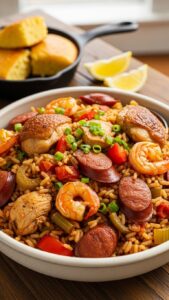
While Jambalaya is enjoyed year-round, there is something undeniably special about serving it during the winter and holiday season. Its warmth, color, and generous portions make it ideal for Christmas gatherings, potlucks, or festive New Year celebrations. Even more, it is a dish built on togetherness. In many Louisiana homes, Jambalaya isn’t cooked for one—it’s prepared in large pots, shared among friends, neighbors, and family, especially during festive moments.
This article dives into the cultural roots of Jambalaya, its regional variations, why it is a perfect winter comfort dish, and how you can prepare a version at home that features both authenticity and holiday-season warmth. You will also learn helpful tips, ingredient substitutions, holiday serving ideas, and ways to elevate the dish whether you are cooking for a family of four or a large seasonal crowd.
The Cultural Background of Jambalaya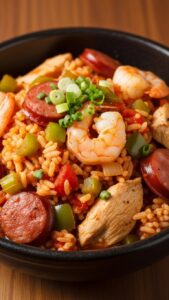
To appreciate Jambalaya is to appreciate the complex cultural intersection that defines Louisiana cuisine. It is a dish shaped by Spanish, French, African, and Creole influences, with each culture contributing elements that eventually formed the one-pot meal we know today.
Spanish Influence: A Familiar Idea with a New Twist
Spanish settlers brought paella-style cooking to Louisiana, hoping to recreate rice dishes that blended vegetables, meats, and seasonings. But saffron, a key ingredient in paella, was hard to find in America at the time. This led cooks to adapt the dish using available local spices, smoked meats, and Louisiana-grown vegetables. Over time, these adaptations transformed the original idea into a uniquely Southern creation.
French & Creole Influence: The Foundation of Flavor
Louisiana’s French heritage helped shape the essential seasoning base known as the “Holy Trinity”—onions, celery, and bell peppers. This trio, similar to French mirepoix, forms the aromatic foundation of many Cajun and Creole dishes, including Jambalaya. The French also contributed cooking techniques that valued layered flavors, slow simmering, and richly seasoned sauces.
African Influence: Spice, Heat, and Soul
African traditions brought depth and intensity to Southern cooking. The bold use of cayenne pepper, garlic, smoked spices, and seasoning blends like Creole and Cajun seasoning reflect African culinary roots. The idea of transforming simple ingredients into deeply flavorful meals also aligns with African food culture, where rice-based dishes blend seamlessly with seasoned meats and vegetables.
Creole vs. Cajun Jambalaya: Understanding the Difference
Two major styles of Jambalaya exist:
1. Creole (Red) Jambalaya
- Uses tomatoes
- Includes more seafood variations
- Reflects New Orleans multicultural influence
- Has a slightly saucier, richer texture
2. Cajun (Brown) Jambalaya
- Does not use tomatoes
- Gains its color from browning meats and vegetables
- More rustic and smoky
- Reflects rural bayou cooking traditions
Both are celebrated, but each offers a different experience. During the winter holidays, many families appreciate the heartiness of Cajun-style Jambalaya, though the rich, festive color of Creole-style varieties also aligns beautifully with the Christmas season.
Why Jambalaya Is Perfect for the Winter and Holiday Season
As December approaches, people naturally gravitate toward warm, deeply seasoned meals that can feed several people without requiring complicated techniques. Jambalaya fits this need perfectly.
It Warms from the Inside Out
The combination of rice, broth, spices, and hearty proteins creates a comforting warmth that makes Jambalaya ideal for cold evenings. Unlike lighter meals, it offers rich energy to keep the body comfortably fueled in winter.
It Feeds a Crowd with Ease
Holiday gatherings often mean a house full of relatives and friends. Jambalaya increases easily—double or triple the recipe without much extra effort. This makes it perfect for:
- Christmas dinner sides
- Neighborhood gatherings
- New Year’s Eve buffets
- Church programs
- Family reunions
The one-pot nature reduces cleanup, allowing more time for guests and less time in the kitchen.
It Celebrates Bold, Festive Flavors
Winter and Christmas meals often feature spices, aromatics, and robust flavors. Jambalaya fits seamlessly into that theme, offering a flavorful alternative to traditional seasonal dishes.
It Smells Like Comfort
From the scent of sautéed onions to the aroma of simmering sausage, Jambalaya fills the home with warmth and anticipation—something especially welcome during the holidays when atmosphere matters just as much as taste.
How to Make Flavorful, Holiday-Worthy Jambalaya
While there are many variations of Jambalaya, the cooking approach remains consistent. Below is a detailed breakdown of how to achieve deep flavor, perfect rice texture, and well-balanced seasoning.
1. Build the Aromatic Base
Start by heating oil or butter in a large pot. Sauté:
- Diced onions
- Bell peppers
- Celery
This “Holy Trinity” must soften and release its natural sweetness. For extra winter depth, some cooks add minced garlic, thyme, bay leaves, or smoked paprika.
2. Brown the Meat
Browning is crucial—especially for Cajun Jambalaya. You may use:
- Smoked sausage
- Chicken thighs
- Shrimp
- Turkey sausage
- Ham cubes
When browning, let the edges caramelize. These browned bits (fond) stick to the bottom of the pot and later dissolve into the broth, intensifying flavor.
3. Season Generously
Common seasonings include:
- Cajun seasoning
- Creole seasoning
- Black pepper
- Paprika
- Cayenne
- Oregano
- Garlic powder
During winter, many cooks add slightly more paprika and thyme for added warmth.
4. Add Rice and Liquids
Long-grain white rice is traditional. Add it directly to the pot and stir so that each grain is coated in oil and seasonings. This prevents stickiness and helps the rice absorb flavor.
For liquid, use:
- Chicken broth
- Seafood broth
- A mix of broth + crushed tomatoes (for Creole style)
5. Simmer Gently
Once liquid is added, resist the urge to stir too much—this can cause mushy rice. Cover the pot and simmer slowly. The rice will absorb the broth, and the meats will finish cooking.
6. Finish with Fresh Herbs and Adjust Seasoning
Before serving, fluff gently with a fork. Add:
- Green onions
- Parsley
- Lemon squeeze (for seafood versions)
Adjust salt, spice, or broth if needed.
Holiday Variations of Jambalaya
To match the December and New Year season, you can adapt Jambalaya to suit festive menus or ingredients already available at home.
Smoky Christmas Jambalaya
- Adds smoked turkey instead of chicken
- Incorporates roasted red peppers
- Uses holiday herbs like thyme and sage
Seafood New Year’s Jambalaya
- Shrimp, mussels, and crab meat
- Creole-style tomatoes for celebratory color
- A splash of white wine
Budget-Friendly Holiday Jambalaya
- Uses chicken drumsticks or leftover turkey
- Adds red beans for volume
- Packs flavor using inexpensive spice blends
Vegetarian Holiday Jambalaya
- Smoked paprika for depth
- Mushrooms for meaty texture
- Vegetable broth
- Diced tomatoes and roasted squash
Serving Ideas for Winter and Holiday Tables
Jambalaya is versatile and pairs well with many seasonal dishes.
Side Dishes
- Winter salad with citrus
- Cornbread muffins
- Roasted vegetables
- Garlic rolls
Toppings
- Fresh parsley
- Chopped scallions
- A dollop of sour cream (nontraditional but delicious)
Drinks
- Warm apple cider
- Sweet tea
- Ginger ale
- Christmas punch
Presentation Tips for Holiday Hosting
- Serve in a deep Dutch oven to retain heat
- Add garnishes for color
- Keep warm over low heat for buffet-style gatherings
Nutritional and Health Insights
While Jambalaya is considered hearty, it can be adjusted to fit various health needs.
Moderate Calories
Most calories come from rice and sausage. Using chicken breast, turkey sausage, or more vegetables can lighten the dish.
High in Protein
With sausage, chicken, and shrimp, it offers excellent protein content that keeps you full longer.
Contains Antioxidants and Vitamins
Onions, peppers, tomatoes, and herbs contribute vitamins A and C, antioxidants, and dietary fiber.
Customizable for Health Goals
- Use brown rice for more fiber
- Add leafy greens like spinach
- Choose low-sodium broth
Conclusion
Jambalaya stands as one of the world’s great comfort dishes—a flavorful, aromatic, one-pot meal that honors multiple cultural traditions. It brings warmth to cold December nights and excitement to Christmas gatherings, all while remaining simple enough for weeknight cooking. Its versatility makes it perfect for families, parties, and festive occasions, and its deep flavors remind us of the beauty of shared meals.
Whether you’re preparing a Cajun-style pot for a quiet family dinner or a Creole-inspired batch for your New Year celebration, Jambalaya has a way of transforming ordinary evenings into memorable, heartwarming moments. In a holiday season defined by connection, generosity, and togetherness, Jambalaya is more than just food—it is an experience, a tradition, and a reminder of the joy that comes from gathering around a warm pot of something delicious.