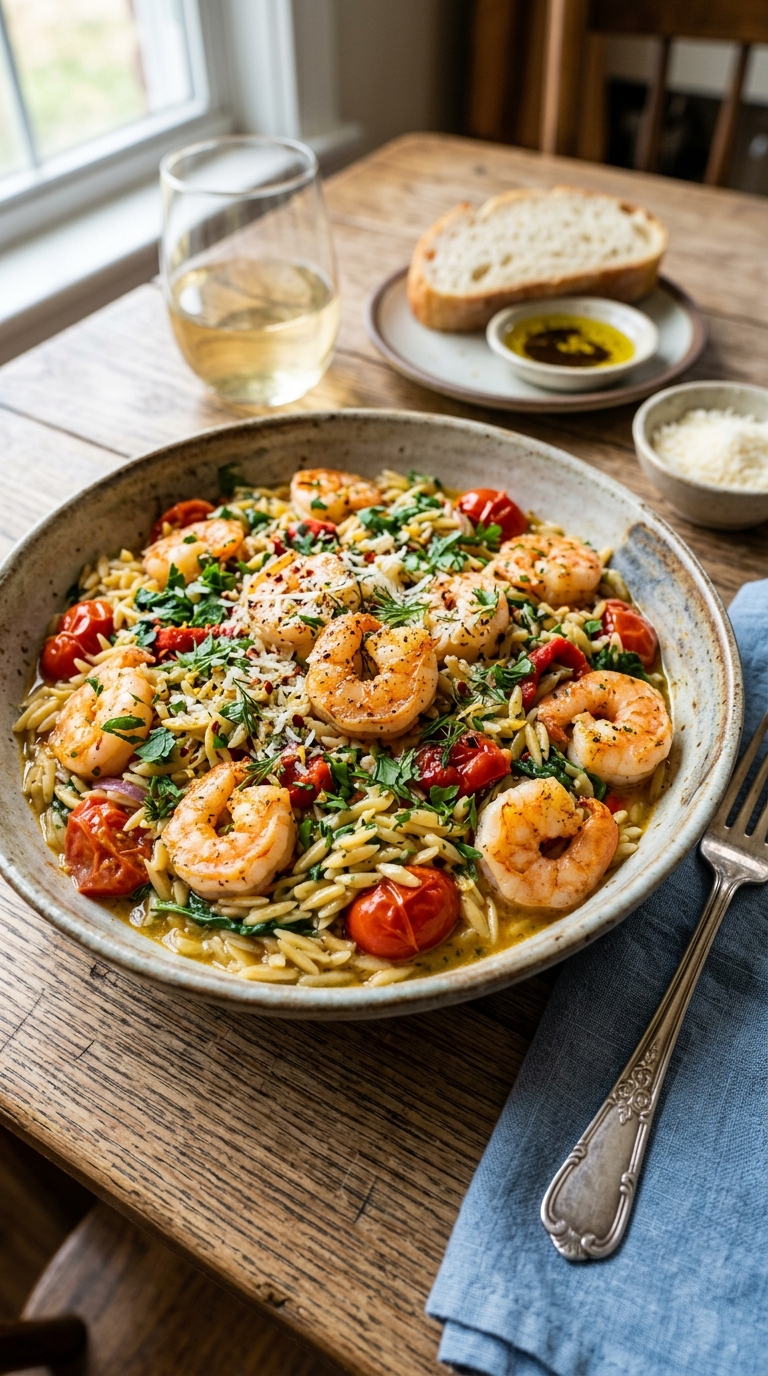
Orzo and Shrimp: A Flavor-Packed, Easy Weeknight Dinner You’ll Want on Repeat
If you’re looking for a meal that feels elegant yet comes together quickly, orzo and shrimp is a standout choice. This dish combines tender, juicy shrimp with delicate rice-shaped pasta (orzo), all coated in a rich, flavorful sauce that can range from light and lemony to creamy and indulgent. It’s versatile, satisfying, and perfect for everything from busy weeknights to casual dinner parties.
In this comprehensive guide, you’ll learn everything you need to know about making the perfect orzo and shrimp dish—from ingredients and step-by-step instructions to variations, nutrition, and expert tips.
What Is Orzo and Why It Works So Well with Shrimp
Orzo is a small, rice-shaped pasta commonly used in Mediterranean and Italian cooking. Despite its appearance, it’s made from wheat, not rice. Its size and texture allow it to cook quickly and absorb flavors beautifully.
Shrimp, on the other hand, cooks in minutes and brings a naturally sweet, slightly briny taste that pairs perfectly with herbs, garlic, citrus, and creamy sauces.
Why this combination works:
- Orzo acts as a flavor sponge
- Shrimp adds protein and richness
- Both cook quickly, making it a fast meal
- Works in creamy, tomato-based, or broth-style recipes
Ingredients for the Perfect Orzo and Shrimp Dish
Here’s a classic, well-balanced ingredient list for a creamy garlic lemon orzo with shrimp:
Main Ingredients
- 1 cup orzo pasta
- 1 lb shrimp (peeled and deveined)
- 2 tablespoons olive oil
- 3 cloves garlic (minced)
- 1 small onion (finely chopped)
- 2 cups chicken or vegetable broth
- 1/2 cup heavy cream
- 1/3 cup grated Parmesan cheese
- Juice of 1 lemon
- Salt and black pepper to taste
Optional Add-Ins
- Spinach or kale
- Cherry tomatoes
- Mushrooms
- Red pepper flakes for heat
- Fresh herbs (parsley, basil, dill)
Step-by-Step Instructions
Step 1: Cook the Shrimp
Heat 1 tablespoon of olive oil in a large skillet over medium heat. Season the shrimp with salt and pepper, then cook for about 2–3 minutes per side until pink and opaque. Remove and set aside.
Tip: Don’t overcook shrimp—it becomes rubbery quickly.
Step 2: Sauté Aromatics
In the same pan, add another tablespoon of olive oil. Sauté the onion until soft and translucent, about 3–4 minutes. Add the garlic and cook for 30 seconds until fragrant.
Step 3: Toast the Orzo
Add the dry orzo to the pan and stir for 1–2 minutes. Lightly toasting it enhances the flavor and gives a slightly nutty taste.
Step 4: Add Broth and Simmer
Pour in the broth and bring to a gentle simmer. Cook for 8–10 minutes, stirring occasionally, until the orzo is tender and most of the liquid is absorbed.
Step 5: Make It Creamy
Lower the heat and stir in the heavy cream, Parmesan cheese, and lemon juice. Mix until smooth and creamy.
Step 6: Combine Everything
Add the cooked shrimp back into the skillet. Stir gently to combine and heat through.
Step 7: Finish and Serve
Taste and adjust seasoning. Garnish with fresh herbs and serve warm.
Flavor Variations You Can Try
One of the best things about orzo and shrimp is how customizable it is.
1. Lemon Garlic Orzo with Shrimp
Skip the cream and use extra lemon juice, olive oil, and broth for a lighter version.
2. Tomato-Based Version
Add crushed tomatoes or cherry tomatoes for a Mediterranean-style dish.
3. Spicy Cajun Style
Season shrimp with Cajun spices and add smoked paprika and chili flakes.
4. Mediterranean Style
Add olives, feta cheese, sun-dried tomatoes, and fresh basil.
5. Creamy Spinach Orzo with Shrimp
Stir in fresh spinach at the end for added nutrition and color.
Nutritional Benefits of Orzo and Shrimp
This dish is not just delicious—it can also be nutritious when prepared thoughtfully.
Shrimp Benefits
- High in protein
- Low in calories
- Rich in selenium and vitamin B12
Orzo Benefits
- Provides carbohydrates for energy
- Can be swapped with whole wheat orzo for more fiber
Additional Ingredients
- Garlic supports immune health
- Olive oil provides healthy fats
- Greens add vitamins and antioxidants
Tips for the Best Results
Use Fresh or High-Quality Frozen Shrimp
Fresh shrimp delivers the best flavor, but properly thawed frozen shrimp works just as well.
Don’t Overcook the Orzo
Cook until al dente—soft but slightly firm. Overcooking makes it mushy.
Balance the Flavors
Use lemon juice to brighten the dish and balance the richness of cream and cheese.
Cook in One Pan
This reduces cleanup and allows flavors to build more effectively.
What to Serve with Orzo and Shrimp
This dish can stand alone, but pairing it with sides can elevate your meal.
Great Side Options
- Garlic bread
- Roasted vegetables
- Fresh green salad
- Steamed asparagus
Storage and Reheating Tips
Storing
- Refrigerate leftovers in an airtight container for up to 3 days
Reheating
- Add a splash of broth or cream before reheating to restore moisture
- Heat gently on the stovetop or microwave
Common Mistakes to Avoid
Overcooking Shrimp
This is the most common issue. Always cook just until pink.
Adding Too Much Liquid
Orzo absorbs liquid quickly—add gradually to avoid a soupy dish.
Skipping Seasoning Layers
Season at each stage for deeper flavor.
How to Make It Healthier
- Use whole wheat orzo
- Replace heavy cream with Greek yogurt or light cream
- Reduce cheese or use a lighter option
- Add more vegetables
Frequently Asked Questions
Can I use other pasta instead of orzo?
Yes, small pasta shapes like ditalini or couscous can work.
Can I make this dish ahead of time?
Yes, but it’s best served fresh. Reheat gently with added liquid.
Is this dish freezer-friendly?
Not ideal, as the texture of shrimp and orzo can change after freezing.
Final Thoughts
Or
Your message has been sent
zo and shrimp is the kind of dish that checks every box: quick, flavorful, comforting, and versatile. Whether you prefer it creamy, zesty, or packed with vegetables, it adapts easily to your taste and lifestyle.
It’s a perfect example of how simple ingredients can come together to create something truly special. Once you make it, it’s likely to become a regular part of your meal rotation.
If you’re building a food blog or Pinterest content strategy, this dish is highly shareable thanks to its visual appeal, broad flavor profile, and easy preparation—making it ideal for attracting readers and engagemen.