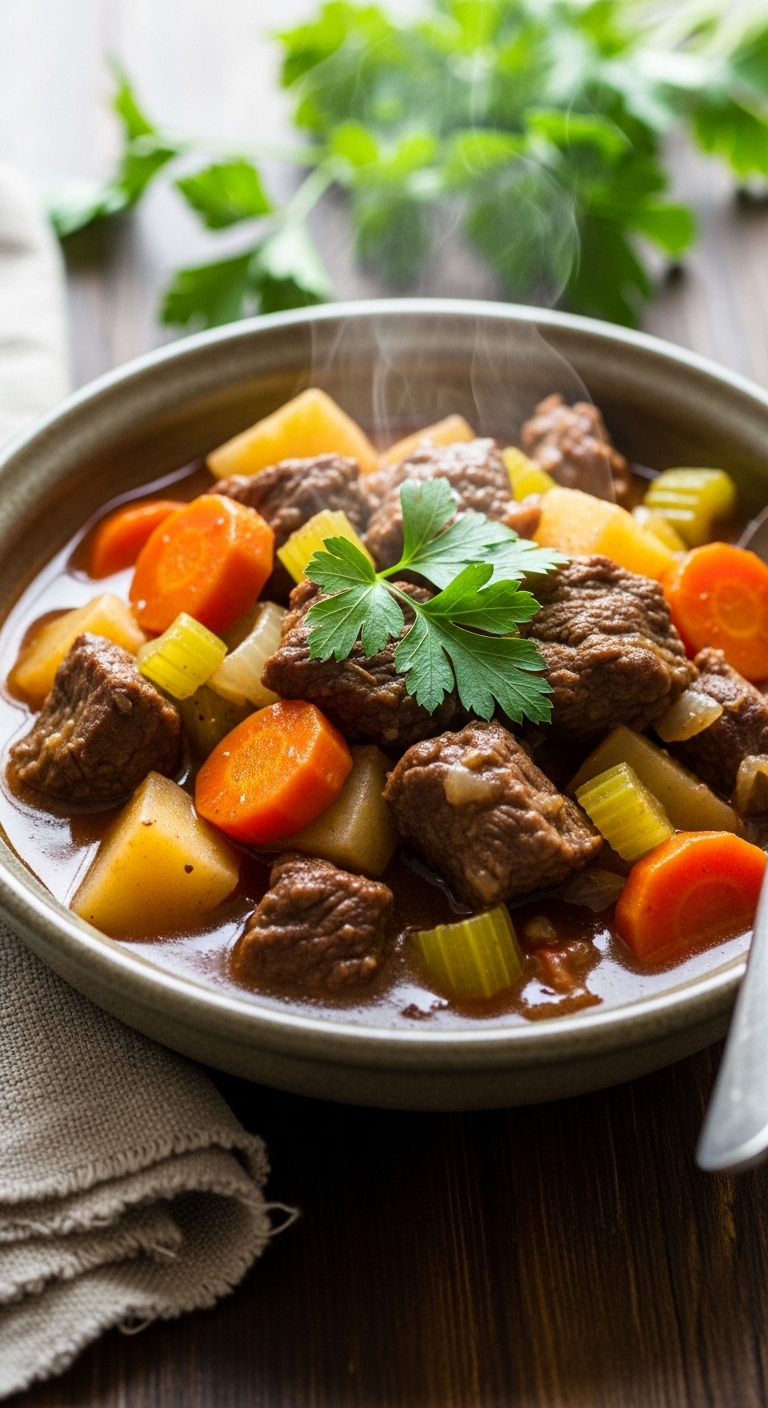
The Best Beef Stew Recipe: Rich, Hearty Comfort Food for Cozy Beauty-Inspired Living
There’s something undeniably luxurious about a warm bowl of homemade beef stew. It’s the kind of meal that feels slow, comforting, and indulgent in the most natural way—like skincare for your body from the inside out. Rich broth, tender beef, perfectly cooked vegetables, and deep savory flavor come together in a dish that nourishes, comforts, and elevates everyday home cooking into something almost ritualistic.
The best beef stew recipe is not just about ingredients—it’s about technique, patience, and layering flavor properly so every bite tastes intentional. When done right, beef stew becomes thick, glossy, aromatic, and deeply satisfying without feeling heavy or bland.
This recipe is designed to be SEO-optimized, beginner-friendly, and aligned with what top food blogs consistently rank for: tender beef stew, easy homemade stew, best beef stew recipe, classic beef stew, and hearty comfort food dinner ideas. It also incorporates beauty-lifestyle inspiration, where cooking becomes part of a soft, cozy, self-care routine.
After analyzing top-ranking beef stew recipes, the most successful versions consistently emphasize searing the beef properly, using a flavorful broth base, cooking low and slow, and balancing herbs like thyme and bay leaf for depth. Many also highlight chuck roast as the best cut because it breaks down beautifully during long cooking, creating melt-in-your-mouth texture. (southernliving.com)
This guide will walk you through everything you need to know to make the best beef stew recipe at home, including ingredients, step-by-step instructions, cooking tips, variations, storage methods, and expert secrets for achieving restaurant-quality results every time.
Why This Beef Stew Recipe Works
The reason this beef stew recipe stands out is because it focuses on building flavor in layers instead of rushing the process. Each step is intentional, from browning the beef to simmering slowly until everything becomes tender and rich.
This recipe works because it:
- Uses well-marbled beef for tenderness
- Builds flavor through browning and deglazing
- Uses broth instead of water for depth
- Balances vegetables for natural sweetness
- Thickens naturally for a glossy, rich texture
- Simmer cooks slowly for maximum flavor development
The result is a stew that tastes like it has been cooking all day, even when made in a few hours.
Ingredients for the Best Beef Stew Recipe
The ingredients in this recipe are simple, but each one plays an important role in creating depth and richness.
Main Ingredients
- 2 lbs beef chuck roast, cut into cubes
- 2 tablespoons olive oil
- 1 large onion, chopped
- 4 garlic cloves, minced
- 3 carrots, sliced
- 3 potatoes, cubed
- 2 celery stalks, chopped
- 2 tablespoons tomato paste
- 4 cups beef broth
- 1 cup red wine (optional but highly recommended)
- 2 tablespoons flour or cornstarch (for thickening)
- 1 tablespoon Worcestershire sauce
- 2 bay leaves
- 1 teaspoon dried thyme
- Salt and black pepper to taste
Optional additions include mushrooms for earthiness, peas for sweetness, or rosemary for a stronger herbal aroma.
Step-by-Step Instructions for the Best Beef Stew Recipe
Step 1: Prepare and Season the Beef
Start by patting the beef dry with paper towels. This step is important because moisture prevents proper browning. Season generously with salt and black pepper on all sides.
Pro Tip: Dry, well-seasoned beef creates a deeper caramelized crust, which builds the foundation of flavor for the entire stew.
Step 2: Sear the Beef for Maximum Flavor
Heat olive oil in a large Dutch oven over medium-high heat. Add the beef in batches, making sure not to overcrowd the pan. Let each piece brown properly before turning.
This step is where the flavor begins to develop. The browned crust creates rich, savory notes that will infuse the broth later.
Once browned, remove the beef and set it aside.
Step 3: Build the Aromatic Base
In the same pot, add onions, carrots, and celery. Cook for several minutes until they begin to soften and pick up color from the beef drippings.
Add garlic and tomato paste, stirring constantly. The tomato paste should cook slightly, turning darker and more concentrated in flavor.
This step creates the aromatic foundation of the stew.
Step 4: Deglaze the Pot
Pour in red wine (or beef broth if skipping alcohol) and scrape the bottom of the pot with a wooden spoon. This releases all the caramelized bits stuck to the pan, which are packed with flavor.
Let it simmer for a few minutes so the alcohol cooks off and the liquid reduces slightly.
Step 5: Combine Everything
Return the beef to the pot and add beef broth, potatoes, bay leaves, thyme, Worcestershire sauce, and any remaining seasonings.
Stir everything together until well combined.
At this stage, the stew already smells rich and deeply savory, but the real magic happens during the slow cooking process.
Step 6: Slow Simmer to Tender Perfection
Reduce heat to low, cover the pot, and let the stew simmer gently for 1.5 to 2.5 hours.
This slow cooking process breaks down the collagen in the beef, turning it tender and juicy while allowing flavors to fully develop.
Stir occasionally and check liquid levels to ensure nothing dries out.
Step 7: Thicken the Stew
Once the beef is tender, mix flour or cornstarch with a small amount of water and stir it into the stew. Let it simmer uncovered for 10–15 minutes until the broth thickens into a rich, glossy consistency.
The perfect beef stew should coat a spoon without being too heavy or gluey.
Step 8: Final Taste Adjustment
Before serving, remove bay leaves and adjust seasoning with salt and pepper. This final step ensures the flavor is balanced and well-rounded.
At this point, the stew should taste deeply savory, slightly sweet from the vegetables, and rich from the slow-cooked beef.
Beauty-Inspired Comfort Cooking: Why This Recipe Feels Like Self-Care
In modern lifestyle and beauty culture, food is no longer just fuel—it’s part of wellness, mood, and self-care. A slow-cooked beef stew fits perfectly into this philosophy because it encourages:
- Slowing down
- Creating something nourishing
- Enjoying warm, grounding meals
- Romanticizing home cooking
Just like skincare routines, this recipe is about process and patience. You don’t rush it—you let it develop.
Cooking beef stew becomes a calming ritual that fills your home with warmth, aroma, and comfort.
Best Variations of Beef Stew
Red Wine Beef Stew
Adds deeper, richer flavor and a slightly gourmet taste profile.
Spicy Beef Stew
Includes chili flakes, paprika, or cayenne for heat lovers.
Vegetable-Heavy Beef Stew
Adds mushrooms, peas, or parsnips for a more nutrient-dense meal.
Keto Beef Stew
Replaces potatoes with cauliflower or radishes for a low-carb version.
What to Serve with Beef Stew
Beef stew pairs beautifully with:
- Crusty bread for dipping
- Buttered mashed potatoes
- Fluffy rice
- Soft dinner rolls
- Simple green salad
Each pairing enhances the richness of the stew in a different way.
Storage and Reheating Tips
Beef stew stores extremely well and often tastes better the next day.
Refrigerator
Store in airtight containers for up to 4 days.
Freezer
Freeze for up to 3 months for easy meal prep.
Reheating
Warm slowly on the stove over low heat, adding a splash of broth if needed to loosen consistency.
Common Mistakes to Avoid
Many beef stew failures come from simple mistakes:
- Skipping the sear step
- Cooking at too high heat
- Adding too much liquid
- Overcooking vegetables
- Underseasoning
Avoiding these ensures a rich, restaurant-quality result every time.
Frequently Asked Questions
What is the best cut of beef for stew?
Chuck roast is the best choice due to its marbling and tenderness after slow cooking.
Why is my beef stew tough?
It likely hasn’t cooked long enough at a low temperature.
Can I make beef stew in a slow cooker?
Yes, but browning the beef first is still recommended for best flavor.
Can I thicken beef stew without flour?
Yes, cornstarch or mashed potatoes can be used instead.
Final Thoughts
The best beef stew recipe is more than just a meal—it’s a comforting experience that blends flavor, patience, and warmth into one deeply satisfying dish. When made properly, it becomes rich, tender, and full of layered flavor that feels both nourishing and luxurious.
This recipe works because it respects every step of the cooking process: browning, simmering, seasoning, and resting. The result is a stew that feels like home in a bowl.
Whether you’re cooking for family, meal prepping, or simply creating a cozy self-care evening at home, this beef stew delivers timeless comfort with every spoonful.