
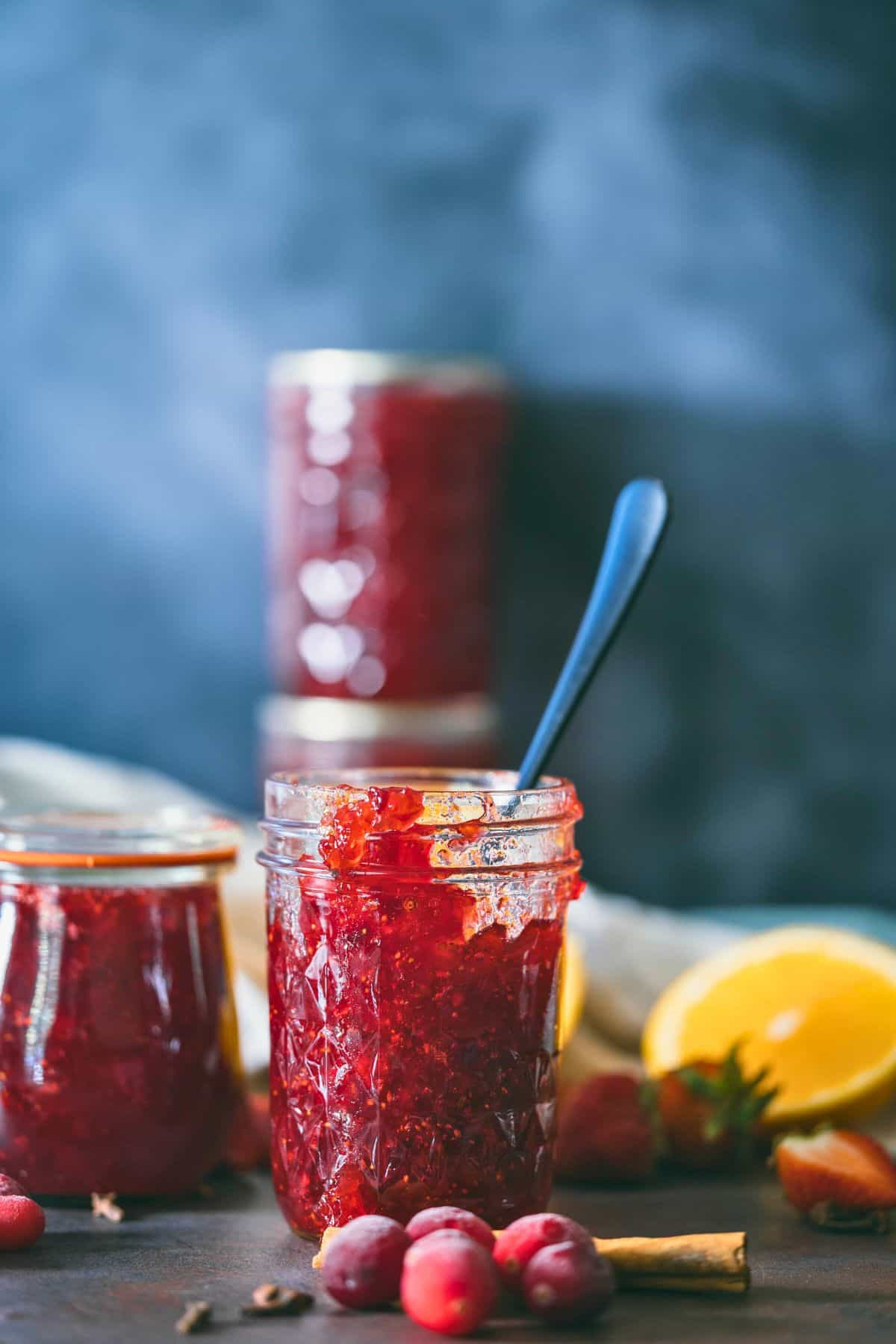
Christmas jam is what happens when the tart snap of cranberries meets sweet strawberries, bright orange, and a little cinnamon and star anise. The color is a deep ruby, the flavor sits somewhere between fresh fruit and a holiday spice cabinet, and the whole pot comes together in about 45 minutes.
This version is a small-batch refrigerator jam. You don’t need canning equipment or special pectin, and it works for breakfast toast, a cheese board, holiday baking, or a jar tied with ribbon for a neighbor. Below you’ll find the recipe, the reasoning behind each ingredient, ways to tell when the jam is done, fixes for common problems, and clear storage and gifting guidance.
What Is Christmas Jam?
There’s no single official Christmas jam. The name usually describes a jam built from festive flavors: red fruit, citrus, and warm spices. Cranberry is the most common anchor, often paired with strawberries, oranges, apples, pears, or cherries.
This recipe uses cranberries, strawberries, and orange for three practical reasons:
- Cranberries are naturally high in pectin, the fiber that makes jam gel. They give structure without a packet of commercial pectin.
- Strawberries soften the cranberries’ sharp edge and add sweetness and a rounder fruit flavor. Frozen berries work, so you can make it long after strawberry season.
- Orange adds fragrance from the zest and a gentle acidity from the juice. It also keeps the jam from tasting like cranberry sauce.
Ingredients for Christmas Jam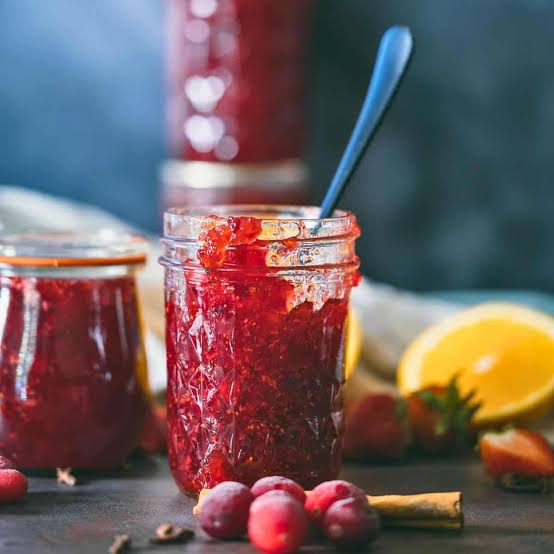
Yield: roughly 3 cups (an estimate, since it depends on how long the jam cooks)
Active time: about 15 minutes
Total time: about 45 minutes, plus chilling
- 12 ounces (340 g) fresh or frozen cranberries
- 1 pound (450 g) strawberries, hulled and chopped into ½-inch pieces (fresh, or frozen and thawed with their juices)
- 1 large orange: all the zest, plus ⅓ cup (80 ml) juice
- 1½ to 1¾ cups (300–350 g) granulated sugar
- 2 tablespoons lemon juice
- ¼ cup (60 ml) water
- 1 cinnamon stick
- 2 whole star anise (or 3 whole cloves)
- Pinch of fine salt
- ½ teaspoon vanilla extract
- Optional: 2 tablespoons ruby port, orange liqueur, or bourbon
Why These Ingredients Matter
Sugar does more than sweeten. It helps the jam set, preserves the fruit’s color, and gives the finished texture a glossy, spoonable body. Cutting it too far gives a looser, duller jam that also won’t keep as well. Cranberries are quite tart, so start with the lower amount only if you like a sharper jam.
Lemon juice keeps the flavor bright and supports gel formation. Don’t skip it, even with the orange juice.
Whole spices flavor the jam without clouding it or leaving a gritty texture the way ground spices can. Star anise is potent, so two pods are plenty.
Salt is a tiny amount, but it rounds out the sweetness and makes the fruit taste more like itself.
Vanilla and optional spirits go in at the end. Added earlier, their aroma cooks off.
Easy Substitutions
- Frozen cranberries: Use them straight from the freezer. Add a few minutes to the time it takes for them to pop.
- Frozen strawberries: Thaw them first and add the juices. They release more liquid, so the jam may need a few extra minutes.
- Less sugar: You can reduce it slightly, but expect a softer set and plan to keep the jam strictly refrigerated or frozen.
- No orange: Use a clementine or two, or replace the orange juice with apple juice and add an extra teaspoon of lemon zest.
- Alcohol-free: Leave out the spirits. The jam is excellent without them.
How to Make Christmas Jam
Before You Start
Put a small plate in the freezer for the set test. Use a wide, heavy-bottomed pot of about 3 to 4 quarts. The extra surface area helps moisture evaporate, and the jam will bubble up higher than you expect, so a small pot is a mistake.
Step 1: Prepare the Fruit
Zest the orange before juicing it, taking only the colored part. The white pith underneath is bitter. Juice the orange, then rinse the cranberries and pick out any soft or shriveled ones. Hull and chop the strawberries into small, even pieces so they break down at the same rate as the cranberries.
Step 2: Combine and Rest
Add the cranberries, strawberries, sugar, orange zest and juice, lemon juice, water, cinnamon stick, star anise, and salt to the pot. Stir well. If you have 15 minutes, let it sit. The sugar will start drawing juice out of the fruit, which helps it dissolve and reduces the chance of scorching.
Step 3: Dissolve the Sugar, Then Boil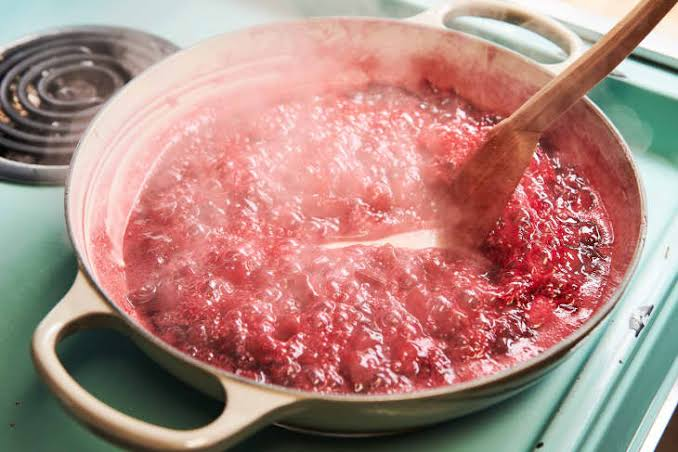
Set the pot over medium heat and stir until the sugar dissolves and the mixture looks syrupy. Raise the heat to medium-high until it reaches a steady, rolling bubble. Within about 5 to 8 minutes, you’ll start hearing the cranberries pop. That’s what you want.
Step 4: Mash and Skim
Once most cranberries have burst, press the fruit against the side of the pot with a potato masher or the back of a spoon. Mash as much or as little as you like. Leave some pieces for a chunky texture, or mash thoroughly for a smoother jam. Skim off any pink foam that gathers on top. It’s harmless but can make the jam look cloudy.
Step 5: Cook Until Thickened
Keep the jam at a lively simmer and stir often, especially toward the end, scraping the bottom so nothing sticks. Total cooking time after boiling usually runs 15 to 25 minutes, but go by the cues, not the clock.
How to tell it’s ready:
- Visual cues: The bubbles become larger and slower, and the mixture looks glossy and noticeably thicker. A spoon dragged across the bottom leaves a trail that closes slowly.
- Thermometer: Jam generally sets at about 8°F (4–5°C) above the boiling point of water in your location. At sea level, that’s around 220°F (104°C).
- Cold plate test: Spoon a small dab onto the frozen plate and return it to the freezer for one minute. Push the edge with your finger. If it wrinkles and holds its shape, it’s ready. If it runs back together, cook a few more minutes and test again.
Remember that jam looks looser while hot and thickens considerably as it cools. Many beginners overcook it because they judge it by the hot pot.
Step 6: Finish and Jar
Take the pot off the heat. Fish out the cinnamon stick and star anise. Stir in the vanilla and any spirits. Let the jam sit for about 10 minutes, stirring once or twice, which helps keep the fruit from floating to the top of the jar. Ladle it carefully into clean jars, since hot jam can splatter and cause burns. Cool to room temperature, cover, and refrigerate. The texture continues to firm up over the first 24 hours.
Common Mistakes and How to Fix Them
The jam is too runny. Return it to the pot and boil a few more minutes, then retest. Cooking too gently, or using a pot that’s too small, is a common cause.
The jam is too thick or stiff. Stir in a spoonful of water or orange juice while warming it gently. This usually happens when the jam is cooked too long.
It tastes too tart. Stir in a tablespoon or two of sugar over low heat until dissolved. Cranberries vary, so adjusting at the end is perfectly reasonable.
It tastes bitter. Orange pith, overcooked spices, or scorching are the likely causes. Next time, zest carefully, remove the spices once the jam is cooked, and stir frequently as it thickens.
It scorched on the bottom. Don’t scrape the burnt layer into the jam. Pour the unscorched jam into a clean pot and taste it. If the burnt flavor hasn’t spread, it may be salvageable.
The fruit is floating in the jars. Letting the jam cool 10 minutes before jarring usually helps.
Variations Worth Trying
| Variation | What to change | Flavor result |
|---|---|---|
| Cranberry-pear | Replace strawberries with 1 pound peeled, diced pears | Softer, mellow, lightly floral |
| Cranberry-apple | Replace strawberries with finely diced tart apples; add extra cinnamon | Rustic, closer to autumn pie |
| Cranberry-cherry | Replace strawberries with pitted dark cherries (frozen works) | Deeper, richer, wine-like |
| Ginger-spiced | Add 1 tablespoon finely grated fresh ginger | Warmer, with a clean, peppery bite |
| Chunky-style | Mash lightly and leave some berries whole | More texture, more like a compote |
Ways to Serve Christmas Jam
- On a cheese board with brie, goat cheese, sharp cheddar, or manchego, alongside crackers and toasted nuts.
- Baked brie: Spoon the jam over a wheel of brie, wrap it in puff pastry or bake it plain until soft, then serve with crackers or sliced baguette.
- On toast, scones, or biscuits, especially with butter or cream cheese.
- In cookies: Use it as thumbprint cookie filling, or sandwich it between shortbread rounds.
- With yogurt or oatmeal for a simple holiday breakfast.
- In sandwiches: It pairs well with leftover turkey, chicken, or ham.
- As a glaze: Warm a few spoonfuls with a splash of orange juice or mustard and brush over ham, pork, or roasted chicken near the end of cooking.
Storage, Freezing, and Gifting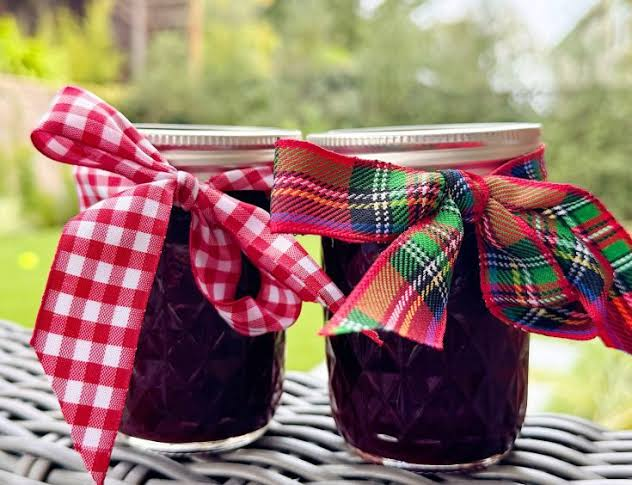
Refrigerator: Keep the jam in clean, covered jars in the refrigerator. Because this is not a processed, shelf-stable recipe, treat it as a fresh product. It generally keeps for about three weeks, and many home cooks stretch it to a month. Discard it if you see mold, notice off smells, or see signs of fermentation such as fizzing.
Freezer: Pour the cooled jam into freezer-safe containers, leaving about ½ inch of headspace for expansion. Frozen jam keeps its best quality for several months. Thaw it overnight in the refrigerator.
Canning: Don’t assume this recipe is safe for shelf-stable canning. Safe canning depends on tested acidity, sugar ratios, jar size, and processing times. If you want pantry-stable jars, use a recipe tested for water-bath canning from a reliable source such as the National Center for Home Food Preservation or the Ball canning guides, and follow it exactly.
Gifting: If you give this jam as a gift, tell the recipient that it must be refrigerated. Add a label with the date made and a “keep refrigerated, use within 3 weeks” note, or give it frozen with thawing instructions. Small jars look pretty and are easier to finish before the jam goes stale.
Frequently Asked Questions
Do I need pectin?
No. Cranberries and orange peel contribute natural pectin, and cooking the jam down concentrates it. The set will be soft and spreadable rather than firm like a store-bought jelly.
Can I double the recipe?
You can, but use a larger pot and expect a longer cooking time. Larger batches take more time to evaporate, so rely on the plate test and thermometer more than the clock.
Can I use dried cranberries?
Not as a one-to-one swap. Dried cranberries don’t have the same moisture or pectin. They’re better stirred in at the end as a chewy add-in.
Why is my jam brownish instead of bright red?
Overcooking dulls the color. Cooking a bit faster, in a wide pot, usually preserves brightness better than a long, slow simmer.
The Takeaway
A good Christmas jam depends on balance: tart cranberries, sweet strawberries, a restrained hand with spices, and a patient eye for when it thickens. Use the cold plate test, remember that it sets further in the refrigerator, and treat it as a fresh jam unless you follow a tested canning recipe. One batch can easily cover a cheese board, a few gift jars, and breakfast through the holidays.
Leave a Reply