
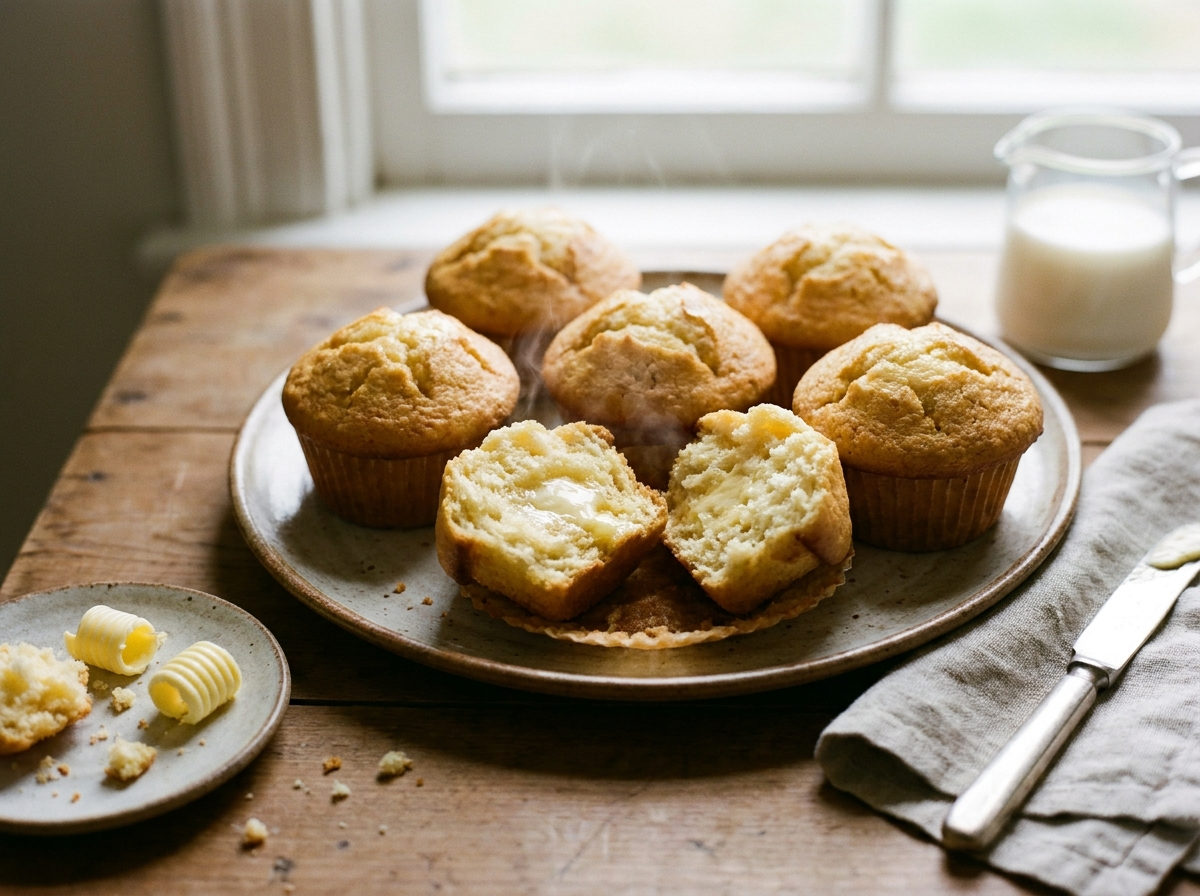
Buttermilk muffins are a simple, dependable bake for breakfast, brunch, or an afternoon snack. Buttermilk gives the batter a gentle tang and helps create a soft, tender crumb, while a quick mixing method keeps the muffins from becoming heavy. This basic recipe makes a lightly sweet muffin that is delicious plain and easy to adapt with berries, chocolate chips, citrus zest, or a cinnamon-sugar topping.
Why You’ll Love These Buttermilk Muffins
The batter comes together with everyday baking ingredients and does not require a mixer. Buttermilk adds moisture and acidity, which works with the baking soda to help the muffins rise. A little oil keeps the crumb soft, while melted butter contributes flavor. The recipe is flexible enough for different add-ins, but the plain version is also a useful breakfast staple.
- Tender texture: Buttermilk and a gentle mixing method help prevent dry, tough muffins.
- Easy preparation: You can mix the batter by hand in two bowls.
- Adaptable flavor: Add fruit, spices, nuts, or chocolate without changing the basic method.
- Freezer-friendly: Bake a batch ahead and warm individual muffins when needed.
Ingredients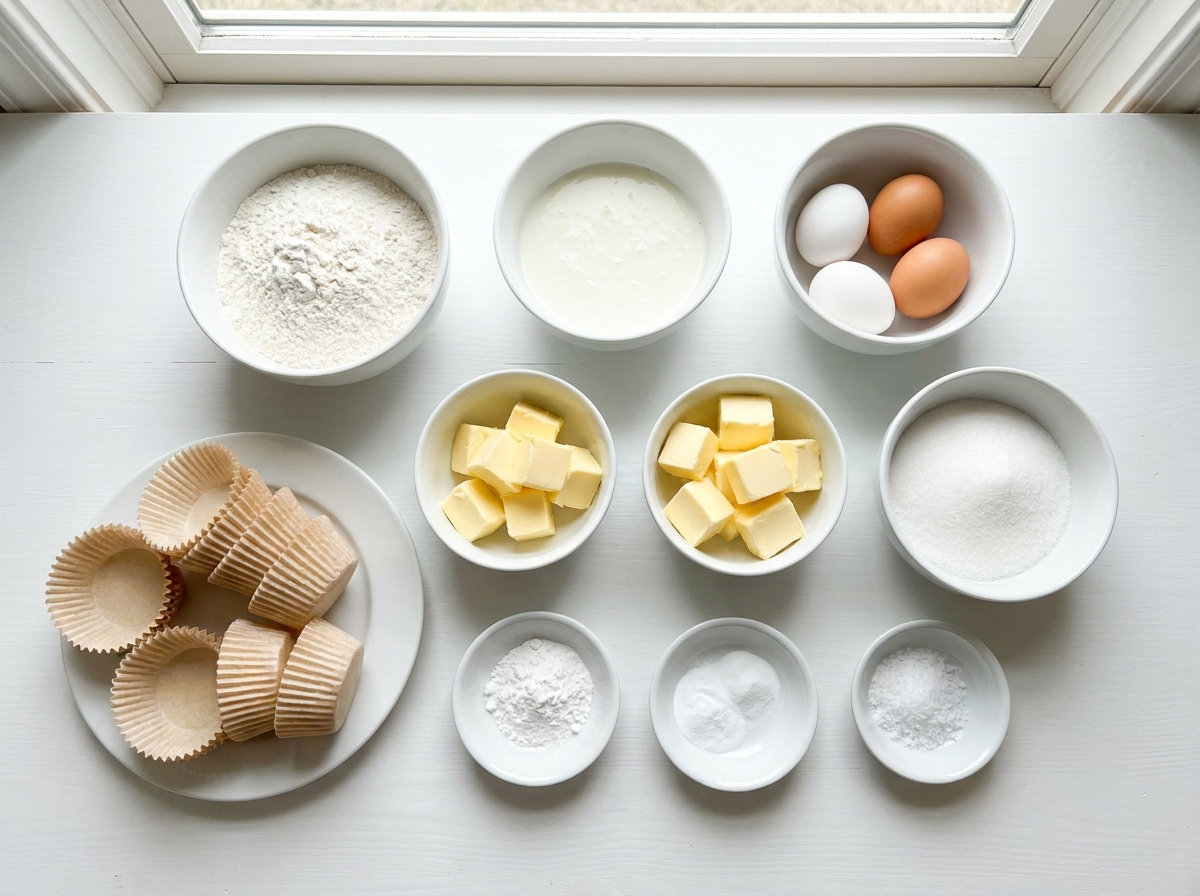
- 2 cups all-purpose flour, spooned and leveled
- ¾ cup granulated sugar
- 2 teaspoons baking powder
- ½ teaspoon baking soda
- ½ teaspoon fine salt
- ½ teaspoon ground cinnamon, optional
- 1 large egg, at room temperature
- 1 cup buttermilk, preferably at room temperature
- ⅓ cup neutral oil
- 3 tablespoons unsalted butter, melted and cooled
- 1½ teaspoons vanilla extract
- Coarse sugar, optional, for topping
Ingredient Notes and Substitutions
All-purpose flour gives these muffins a familiar, soft structure. Measure it by spooning it into the measuring cup and leveling the top rather than scooping directly from the bag, which can pack in too much flour. Granulated sugar sweetens the muffins and helps the tops brown.
Real buttermilk is ideal because its acidity contributes to the texture and flavor. If you do not have any, stir 1 tablespoon of lemon juice or white vinegar into a measuring cup, add enough milk to reach 1 cup, and let it stand for 5–10 minutes. This substitute works in a pinch, although the flavor and thickness will be slightly different. Use a neutral oil such as canola or vegetable oil; melted coconut oil can also work if it is not hot when mixed with the other ingredients.
The combination of baking powder and baking soda provides lift. Do not omit the salt, because it balances the sweetness. For a richer flavor, use all melted butter instead of oil, but expect the muffins to firm up a little more as they cool.
How to Make Buttermilk Muffins
- Prepare the pan. Heat the oven to 375°F. Line a 12-cup standard muffin pan with paper liners or grease each cup thoroughly. If you have only one pan, bake in batches rather than overfilling the cups.
- Combine the dry ingredients. In a large bowl, whisk together the flour, sugar, baking powder, baking soda, salt, and optional cinnamon. Whisking distributes the leaveners so the muffins rise evenly.
- Mix the wet ingredients. In a second bowl, whisk the egg, buttermilk, oil, melted butter, and vanilla until smooth. Make sure the melted butter is cooled; very hot butter can cook small bits of egg.
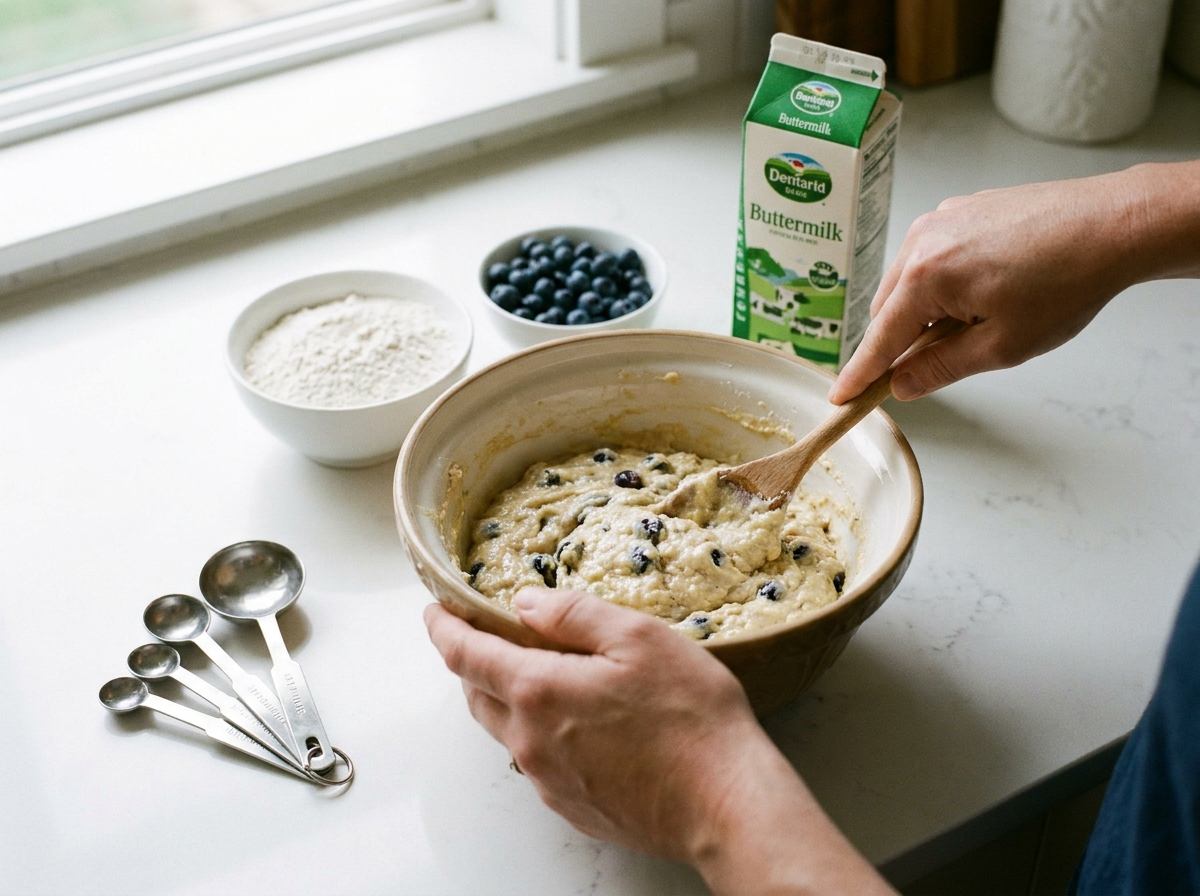
- Bring the batter together. Pour the wet mixture into the dry ingredients. Fold gently with a spatula just until no large dry pockets of flour remain. The batter should look slightly lumpy. Avoid beating it smooth, because overmixing develops gluten and can make the muffins tough.
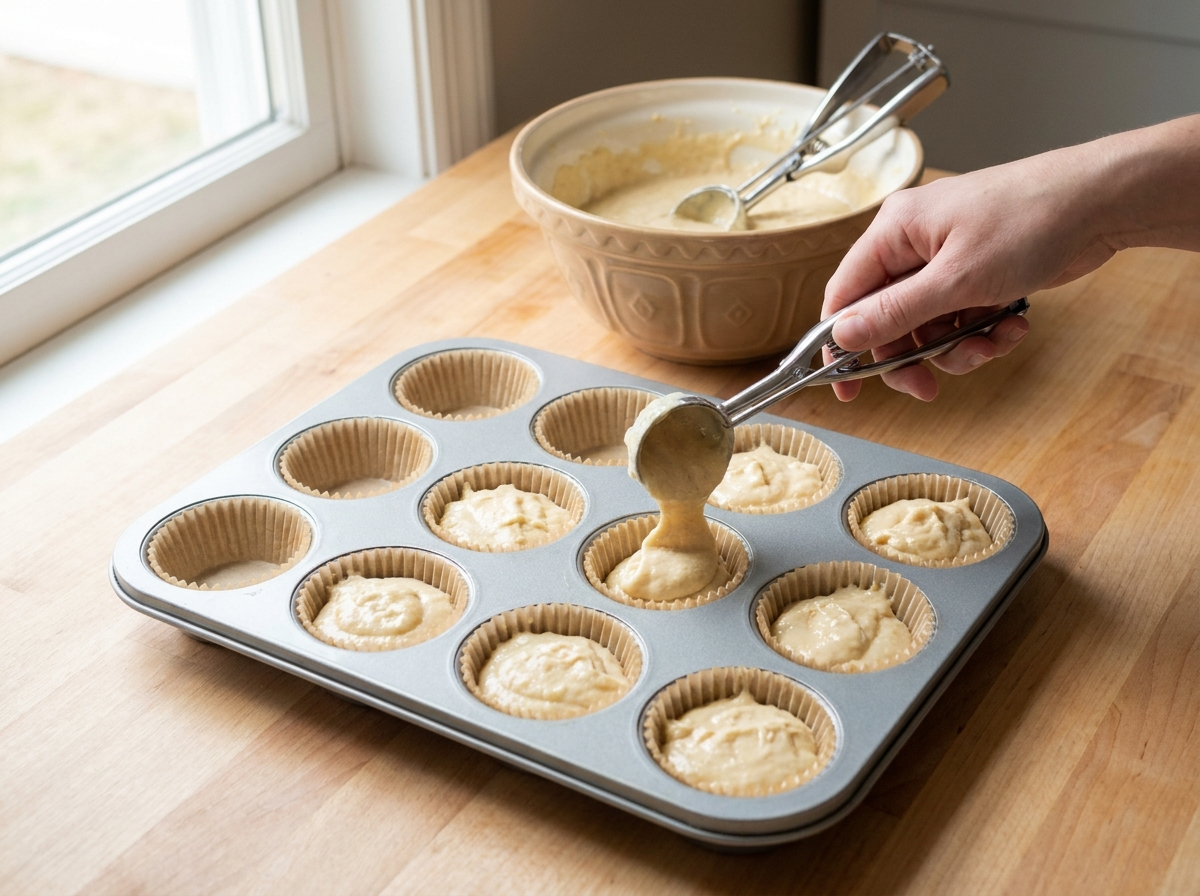
- Fill the muffin cups. Divide the batter evenly among the prepared cups, filling each about two-thirds to three-quarters full. Sprinkle coarse sugar over the tops if you like a delicate crunchy finish.
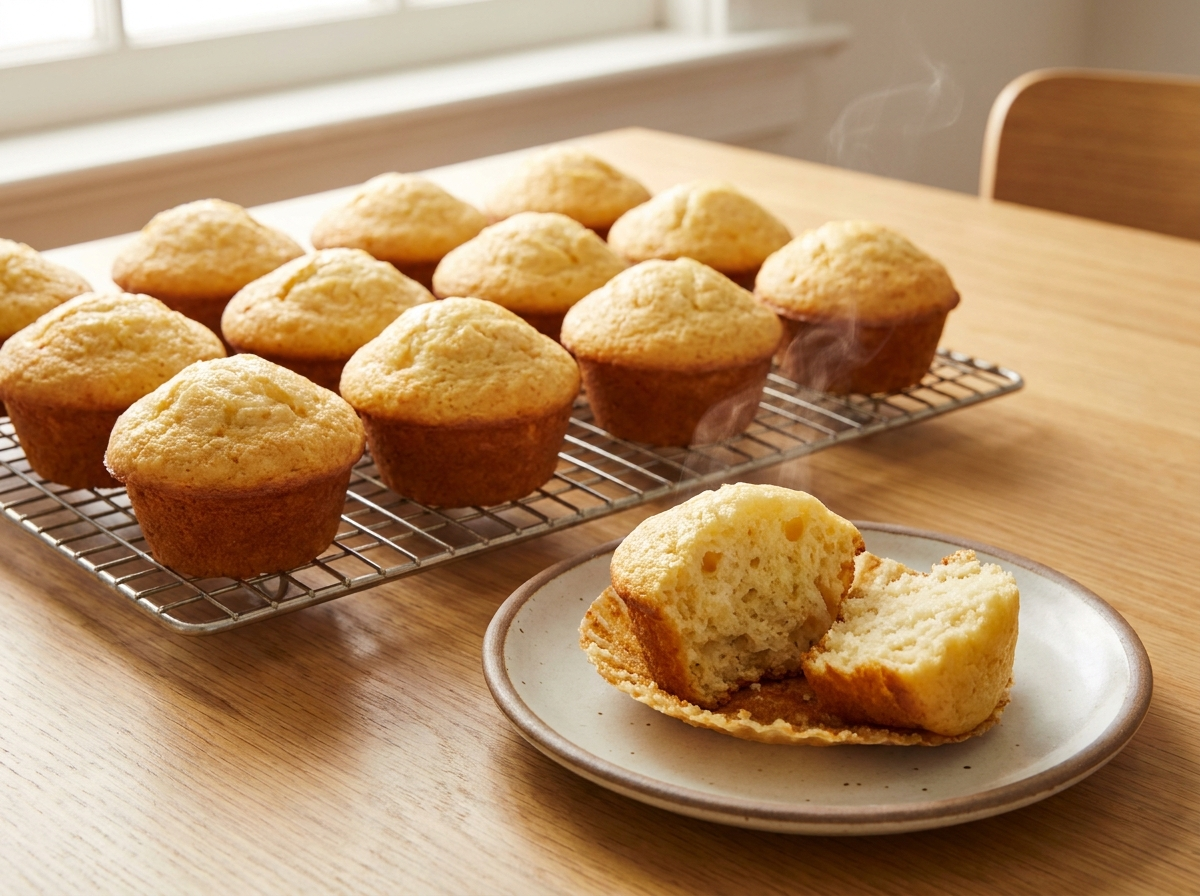
- Bake. Bake for about 16–21 minutes, rotating the pan once if your oven has hot spots. The tops should look set and lightly golden. A toothpick inserted into the center of a muffin should come out clean or with a few moist crumbs, not wet batter.
- Cool. Let the muffins rest in the pan for 5 minutes, then transfer them to a wire rack. Leaving them in the hot pan too long can cause the bottoms to steam and become damp.
Tips for Soft, Fluffy Muffins
- Bring the egg and buttermilk closer to room temperature so the batter mixes evenly.
- Measure flour accurately. Too much flour is one of the most common reasons muffins turn out dry.
- Do not overmix. Stop folding as soon as the dry ingredients are incorporated.
- Use fresh baking powder and baking soda. Old leaveners may not provide enough lift.
- Fill the cups evenly so the muffins finish baking at the same time.
- Check early because muffin pans and ovens vary. Overbaking dries the crumb.
Easy Buttermilk Muffin Variations
Blueberry: Fold 1 cup of fresh or frozen blueberries into the finished batter. If using frozen berries, add them straight from the freezer and fold gently to limit streaking. Chocolate chip: Add ¾ cup of semisweet chocolate chips. Lemon: Add 1 tablespoon finely grated lemon zest and use a little lemon juice in the glaze if desired. Cinnamon sugar: Sprinkle the tops with a mixture of 1 tablespoon sugar and ¼ teaspoon cinnamon before baking. Apple cinnamon: Fold in ¾ cup of finely diced apple and increase the cinnamon slightly. Pat juicy fruit dry before adding so it does not make the batter watery.
Serving Suggestions
Serve warm with butter, jam, honey, or a little cream cheese. These muffins also fit nicely into a brunch spread with scrambled eggs, fresh fruit, yogurt, or a breakfast casserole. For a grab-and-go breakfast, pair one with a boiled egg or a cup of yogurt to make the meal more filling.
Storage and Freezing
Allow the muffins to cool completely before storing. Keep them in an airtight container at room temperature for up to 2 days. If your kitchen is warm or the muffins contain fresh fruit, refrigerate them and bring them to room temperature or warm briefly before serving. Refrigeration can make plain muffins firm, so room-temperature storage is preferable when conditions allow.
To freeze, arrange cooled muffins in a single layer until firm, then transfer them to a freezer-safe bag or container. Freeze for up to 2–3 months for best quality. Thaw at room temperature or microwave one muffin in short intervals until warm. You can also reheat thawed muffins in a 300°F oven for several minutes to refresh the top.
Frequently Asked Questions
Can I make buttermilk muffins without buttermilk?
Yes. Use the milk-and-lemon-juice or vinegar substitute described above. The muffins should still bake successfully, although real cultured buttermilk gives a more distinctive flavor and consistency.
Why are my muffins dense?
Common causes include too much flour, overmixing, expired leaveners, or leaving the batter sitting too long before baking. Measure carefully, fold gently, and put the pan into the preheated oven soon after mixing.
Can I make the batter ahead?
For the best rise, bake soon after mixing. The leavening reaction begins when the wet and dry ingredients meet, so storing the fully mixed batter for hours can reduce lift. You can measure the dry ingredients and wet ingredients separately the night before, refrigerate the wet mixture, and combine them in the morning.
How do I know when the muffins are done?
The tops should spring back lightly when touched, and a toothpick inserted in the center should come out without wet batter. Start checking at the early end of the baking range.
Buttermilk Muffins Recipe at a Glance
Prep: 10 minutes | Bake: 16–21 minutes | Total: About 30 minutes | Yield: 12 muffins
Quick Instructions
- Heat oven to 375°F and line a 12-cup muffin pan.
- Whisk flour, sugar, baking powder, baking soda, salt, and cinnamon.
- Whisk egg, buttermilk, oil, butter, and vanilla in a separate bowl.
- Fold wet ingredients into dry ingredients just until combined.
- Divide batter among muffin cups and add optional coarse sugar.
- Bake 16–21 minutes, cool briefly in the pan, then transfer to a rack.
For the softest buttermilk muffins, measure the flour carefully and resist the urge to overmix. Once you have the basic recipe down, it is easy to make a different batch with the fruit or flavor additions you have on hand.
Common Muffin Problems and How to Fix Them
If the muffins rise into tall peaks and then sink, the oven may be too hot, the batter may contain too much leavening, or the centers may not have baked fully. Check the oven temperature with an oven thermometer if this happens regularly, and test the center of a muffin before removing the pan. If the muffins spread rather than rise, check that the baking powder is fresh and that the cups are not overfilled.
If the edges become dry while the centers are still underbaked, your oven may heat unevenly or the muffin cups may be too full. Bake on the center rack and rotate the pan only if your oven has a noticeable hot spot. For fruit muffins, toss very juicy add-ins with a teaspoon of flour before folding them in; this can help distribute them without adding excess moisture to one area.
How to Make Bakery-Style Muffin Tops
For slightly domed tops, make sure the oven is fully preheated before the pan goes in and avoid opening the door during the first part of baking. A light sprinkle of coarse sugar adds a delicate crunch. If you prefer larger muffins, divide the batter among 10 cups instead of 12 and expect a few extra minutes of baking time. Check the centers rather than relying on the clock.
Leave a Reply