Buttermilk Biscuits: A Golden, Flaky Southern Classic You’ll Want Every Morning
There’s something deeply comforting about a warm, buttery biscuit straight from the oven — golden on the outside, soft and airy on the inside, and just begging for a drizzle of honey or a slather of jam. Among all the breakfast and brunch staples, buttermilk biscuits hold a special place. They’re the heart of Southern comfort cooking, a timeless favorite that turns any meal into a cozy, home-baked experience.
Whether you’re pairing them with fried chicken, serving them alongside gravy, or simply enjoying them fresh out of the oven, this recipe delivers that perfect tender texture and rich, tangy flavor that defines true Southern biscuits. Let’s dive into how to make them from scratch, the secrets to flaky layers, and creative ways to enjoy them all day long.
What Makes Buttermilk Biscuits So Special
At first glance, biscuits seem simple — flour, butter, buttermilk, baking powder, and salt. But when these humble ingredients come together in the right way, magic happens.
Buttermilk is the key. Its mild acidity reacts with the baking soda, helping the dough rise while tenderizing the gluten. The result? Biscuits that are both tall and tender, with a rich, buttery flavor and slight tang that perfectly complements both sweet and savory toppings.
The real art of biscuit-making lies in technique — keeping everything cold, handling the dough gently, and knowing just when to stop mixing.
Ingredients You’ll Need
You only need a few basics to make perfect buttermilk biscuits:
- 2 cups all-purpose flour (plus extra for dusting)
- 1 tablespoon baking powder
- ½ teaspoon baking soda
- 1 teaspoon salt
- 6 tablespoons cold unsalted butter, cubed
- ¾ to 1 cup cold buttermilk (depending on humidity and flour type)
Optional additions:
- 1 tablespoon sugar (for slightly sweeter biscuits)
- 2 tablespoons melted butter (for brushing tops)
Tip: Use high-quality butter and cold ingredients throughout. This ensures the butter doesn’t melt before baking, giving you those irresistible flaky layers.
Step-by-Step Directions
1. Preheat and prepare.
Set your oven to 425°F (220°C) and line a baking sheet with parchment paper. A hot oven is crucial — it gives the biscuits that initial burst of steam to rise beautifully.
2. Mix the dry ingredients.
In a large bowl, whisk together the flour, baking powder, baking soda, and salt. Make sure everything is evenly combined.
3. Cut in the butter.
Add the cold, cubed butter into the flour mixture. Using a pastry cutter or your fingertips, gently work the butter into the flour until you get pea-sized pieces. Don’t overdo it — visible butter chunks mean flaky biscuits later.
4. Add the buttermilk.
Pour in about ¾ cup of cold buttermilk and stir gently with a spatula until the dough just comes together. Add a little more buttermilk if needed — the dough should be soft and slightly sticky but not wet.
5. Turn out and fold.
Lightly flour your work surface and turn out the dough. Gently pat it into a rectangle about ½ inch thick. Fold it over itself like a letter, rotate, and pat it down again. Repeat this folding process 3 to 4 times — it creates those beautiful flaky layers.
6. Cut the biscuits.
Pat the dough to about ¾ inch thickness. Use a round biscuit cutter (about 2½ inches) to cut straight down without twisting (twisting seals the edges and prevents rise). Gather scraps and re-roll gently to cut the rest.
7. Arrange and bake.
Place biscuits close together on the prepared sheet (touching slightly helps them rise higher). Brush the tops with a bit of melted butter or milk for a golden finish. Bake for 12–15 minutes until golden brown.
8. Serve warm.
Brush again with melted butter right out of the oven for extra flavor and shine. Serve immediately — because nothing beats a biscuit fresh from the oven.
Why the Cold Ingredients Matter
Cold butter is the secret to flaky biscuits. When the cold butter hits the hot oven, it releases steam that creates those tender, airy layers. That’s why it’s so important not to over-handle the dough — your hands can warm the butter too much.
Even the buttermilk should be straight from the fridge. The colder your ingredients, the higher your biscuits will rise.
Common Mistakes and How to Avoid Them
- Overmixing the dough – Handle it as little as possible. Once the ingredients come together, stop.
- Warm butter – Always start with cold, cubed butter and cold buttermilk.
- Twisting the cutter – Push straight down and lift up cleanly.
- Low oven temperature – A hot oven (425°F) gives you that instant lift and crisp top.
- Skipping folds – Those folds are what create visible layers, so don’t skip them.
Serving Suggestions
Buttermilk biscuits are incredibly versatile. Here are some delicious ways to serve them:
Breakfast favorites:
- Classic: With butter and jam, honey, or fruit preserves.
- Savory: With sausage gravy, bacon, or scrambled eggs.
- Sandwiches: Slice open and fill with ham, cheese, and eggs for a hearty breakfast biscuit.
Lunch and dinner ideas:
- With soups and stews: Perfect alongside creamy chicken soup or beef stew.
- As a side for fried chicken: The ultimate Southern pairing.
- With roasted meats: Soak up all those flavorful juices.
Sweet twists:
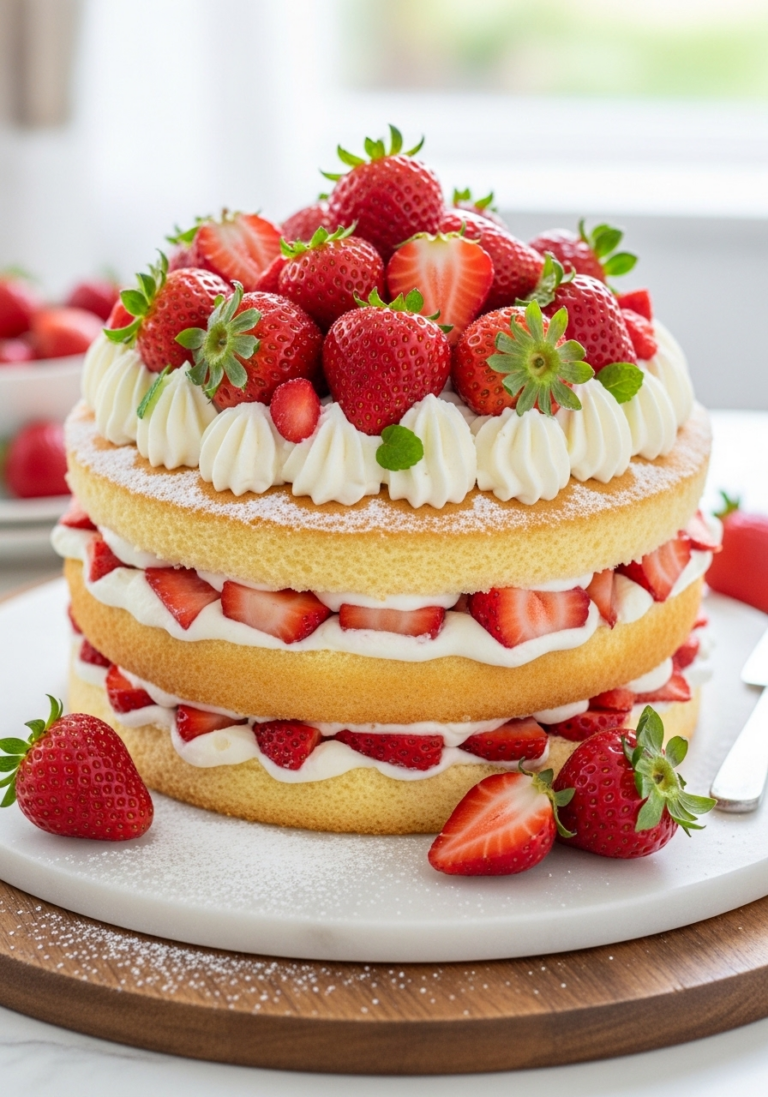
- Strawberry shortcake style: Layer biscuits with whipped cream and fresh strawberries.
- Cinnamon butter drizzle: Mix butter with cinnamon and sugar for a sweet topping.
Tips for the Best Flaky Biscuits
- Grate your butter: For extra flakiness, freeze butter and grate it into the flour using a box grater.
- Chill before baking: Pop your cut biscuits into the fridge for 10 minutes before baking — it firms the butter.
- Use self-rising flour: If available, you can skip the baking powder and salt for even fluffier results.
- Bake close together: Helps the sides stay soft while the tops turn golden.
Storing and Reheating Biscuits
If you have leftovers (which might be rare!), here’s how to keep them fresh:
To store:
- Keep at room temperature in an airtight container for 1–2 days.
- For longer storage, refrigerate up to 5 days or freeze up to 2 months.
To reheat:
- Oven: Warm at 350°F (175°C) for 5–7 minutes.
- Toaster oven: Perfect for crisping the edges.
- Microwave: 10–15 seconds (though the texture won’t be as crisp).
For that “fresh out of the oven” taste, brush with a little butter after reheating.
Make-Ahead Option
Want hot biscuits in the morning without the early prep? Make the dough ahead!
- Prepare the dough, cut out the biscuits, and freeze them raw on a baking sheet.
- Once solid, transfer to a freezer bag.
- When ready to bake, place frozen biscuits on a baking tray and bake at 425°F for about 17–20 minutes. No need to thaw.
They’ll taste just as amazing as freshly made ones.
Healthier Variations
While traditional buttermilk biscuits are rich and buttery, there are ways to lighten them up:
- Use whole wheat flour for added fiber.
- Replace half the butter with Greek yogurt or coconut oil.
- Use low-fat buttermilk to cut calories.
- Try oat flour or almond flour for a gluten-free version.
You can also add fresh herbs like chives, thyme, or rosemary for savory biscuits that pair beautifully with soups and roasts.
Why You’ll Love This Recipe
This buttermilk biscuit recipe is a keeper because it’s:
- Simple — no special equipment needed.
- Reliable — rises perfectly every time.
- Flaky and flavorful — rich with buttery layers and tangy depth.
- Customizable — works for both sweet and savory meals.
There’s a certain joy in pulling apart a warm biscuit and watching the steam rise — it’s homemade comfort at its finest.
Final Thoughts
Buttermilk biscuits are the kind of recipe that makes your kitchen smell like home. They’re simple to make, deeply satisfying, and endlessly adaptable. Whether served with gravy at breakfast, soup at dinner, or berries and cream for dessert, these golden beauties bring warmth to any table.
So grab that buttermilk, keep your butter cold, and bake a batch today. Once you taste that perfect balance of flaky layers, tangy richness, and buttery goodness, you’ll understand why Southern bakers have guarded this classic recipe for generations.