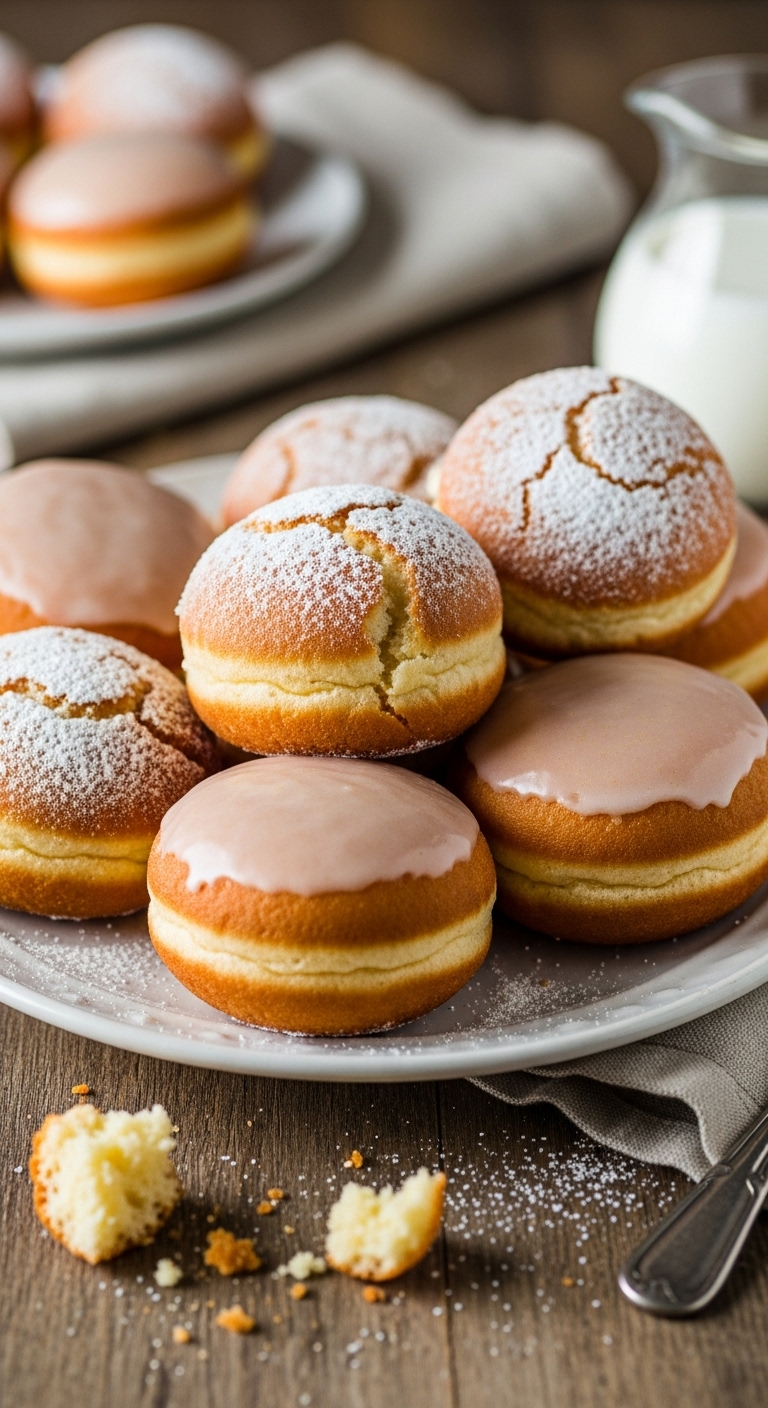
Buttermilk Doughnuts: The Soft, Tangy Treat That Melts in Your Mouth
When it comes to old-fashioned comfort desserts, few things can compete with a batch of freshly fried buttermilk doughnuts. With their golden crust, tender crumb, and signature tangy flavor, these doughnuts perfectly bridge the gap between nostalgic and irresistible. Whether dusted with powdered sugar, coated in cinnamon, or dipped in a simple glaze, buttermilk doughnuts are the kind of treat that never goes out of style. In this article, we’ll explore how to make these classic pastries from scratch, share a bit of history behind their enduring appeal, and offer expert tips to get them fluffy, light, and melt-in-your-mouth perfect.
What Makes Buttermilk Doughnuts So Special?
Buttermilk is a secret ingredient that transforms ordinary baked goods into something exceptional. Its natural acidity reacts with baking soda or baking powder to create a tender, airy texture—ideal for doughnuts. Beyond chemistry, buttermilk adds a subtle tang that balances sweetness, giving the doughnuts a depth of flavor that’s far richer than the standard milk-based recipe.
Unlike yeast doughnuts, which require time to rise, buttermilk doughnuts are typically cake-style. This means they’re denser, more crumbly, and fry up with a slightly crisp exterior that contrasts beautifully with their soft interior. If you love doughnuts that taste like a cozy Sunday morning, buttermilk versions are your best bet.
Ingredients for Homemade Buttermilk Doughnuts
Here’s what you’ll need for a classic batch (makes about 12 doughnuts):
- 2 ½ cups all-purpose flour
- 2 teaspoons baking powder
- ½ teaspoon baking soda
- ½ teaspoon salt
- ½ teaspoon ground nutmeg (optional, for warmth)
- ⅓ cup granulated sugar
- 2 tablespoons unsalted butter, softened
- 2 large eggs
- ¾ cup buttermilk
- 1 teaspoon pure vanilla extract
- Oil for frying (vegetable or canola oil)
For the glaze (optional):
- 1 cup powdered sugar
- 2–3 tablespoons buttermilk or milk
- ½ teaspoon vanilla extract
Step-by-Step Instructions
1. Prepare the Dry Ingredients
In a medium bowl, whisk together flour, baking powder, baking soda, salt, and nutmeg. This ensures even distribution of leavening agents, preventing dense spots in the dough.
2. Cream the Butter and Sugar
In another large bowl, beat the softened butter and sugar until light and fluffy. Add the eggs one at a time, beating well after each addition. Stir in the vanilla extract.
3. Combine Wet and Dry Mixtures
Gradually add the dry ingredients to the wet mixture, alternating with buttermilk. Start and end with the dry ingredients. Mix until just combined—overmixing will make the doughnuts tough.
4. Chill the Dough
Cover the dough and refrigerate for about 30 minutes. This makes it easier to handle and helps the dough maintain shape while frying.
5. Shape the Doughnuts
Lightly flour a surface and roll out the chilled dough to about ½-inch thickness. Use a doughnut cutter (or two round cutters) to form rings. Gather scraps, reroll, and cut again until all dough is used.
6. Heat the Oil
In a deep pot or Dutch oven, heat oil to 350°F (175°C). Use a thermometer to maintain this temperature—too hot and the doughnuts will burn outside before cooking through; too cool and they’ll absorb excess oil.
7. Fry the Doughnuts
Carefully place a few doughnuts into the oil. Fry for about 1 minute per side, or until golden brown. Remove with a slotted spoon and transfer to paper towels to drain.
8. Glaze or Sugar-Coat
While still warm, dip the doughnuts into the glaze or toss them in a cinnamon-sugar mix. Let them rest on a wire rack until set.
Tips for Perfect Buttermilk Doughnuts
- Use cold dough: It’s easier to cut and helps minimize spreading in the oil.
- Don’t overcrowd the fryer: Fry in small batches to keep the oil temperature consistent.
- Add flavor twists: Mix in lemon zest, a hint of cardamom, or maple extract for seasonal flair.
- For baked doughnuts: You can bake at 375°F (190°C) for about 10–12 minutes in a doughnut pan, though the texture will be less crisp.
Variations to Try
1. Cinnamon Sugar Doughnuts
Skip the glaze and toss warm doughnuts in a mix of ½ cup sugar and 1 teaspoon cinnamon for a classic, cozy flavor.
2. Chocolate-Glazed Doughnuts
Melt ½ cup of semisweet chocolate chips with 2 tablespoons of butter and 2 tablespoons of milk, then whisk in powdered sugar for a rich topping.
3. Maple Buttermilk Doughnuts
Add 1 teaspoon maple extract to your batter and top with maple glaze for a breakfast-inspired treat.
4. Lemon-Glazed Buttermilk Doughnuts
Replace vanilla in the glaze with 1 tablespoon lemon juice and 1 teaspoon zest for a bright, citrusy finish.
Why Frying Temperature Matters
Mastering the oil temperature is key to achieving golden, non-greasy doughnuts.
- At 350°F (175°C): The doughnuts cook evenly and crisp up beautifully.
- Below 325°F (160°C): They’ll absorb oil, turning soggy.
- Above 375°F (190°C): The exterior burns before the inside cooks through.
Using a thermometer and adjusting heat as needed ensures you get that perfect golden glow every time.
The Science Behind Buttermilk’s Magic
Buttermilk is slightly acidic, which reacts with baking soda to release carbon dioxide bubbles. This chemical reaction is what gives buttermilk doughnuts their light, fluffy texture. The acidity also tenderizes gluten, making the crumb soft and delicate while enhancing flavor complexity. In short, buttermilk turns a basic doughnut into a tangy, melt-in-your-mouth delight.
Healthier Alternatives
While traditional buttermilk doughnuts are fried, you can make them a bit lighter by:
- Baking instead of frying: Use a doughnut pan to reduce oil.
- Using whole-grain flour: Swap half of the all-purpose flour for whole wheat pastry flour.
- Reducing sugar: Use ¼ cup less sugar without compromising flavor.
- Air frying: Cook at 350°F for about 5–6 minutes, flipping halfway through.
Serving Ideas
- Pair with hot coffee or a frothy cappuccino for a cozy breakfast.
- Dust with powdered sugar for an elegant dessert platter.
- Serve with a scoop of vanilla ice cream for a sweet-and-warm contrast.
- Dip in melted chocolate or caramel sauce for an indulgent treat.
Storage Tips
Buttermilk doughnuts are best enjoyed fresh, but you can store them too:
- Room temperature: In an airtight container for up to 2 days.
- Refrigerator: Up to 5 days—warm them slightly before serving.
- Freezer: Freeze unglazed doughnuts for up to 2 months. Reheat in the oven at 350°F (175°C) for 5 minutes.
A Bite of Nostalgia
Buttermilk doughnuts carry the flavor of simpler times—farmhouse kitchens, weekend breakfasts, and the comforting scent of warm sugar wafting through the air. They’re a reminder that great baking doesn’t have to be complicated; it just needs a touch of care, the right ingredients, and a bit of buttermilk magic.
Final Thoughts
Homemade buttermilk doughnuts are a celebration of texture, flavor, and tradition. They offer the perfect mix of tangy, tender, and sweet—all in one bite. Whether you’re frying up a batch for a weekend brunch, a holiday treat, or simply to indulge your sweet tooth, these doughnuts promise joy with every golden ring.
So go ahead—warm up the oil, grab your whisk, and treat yourself to the irresistible comfort of freshly made buttermilk doughnuts.