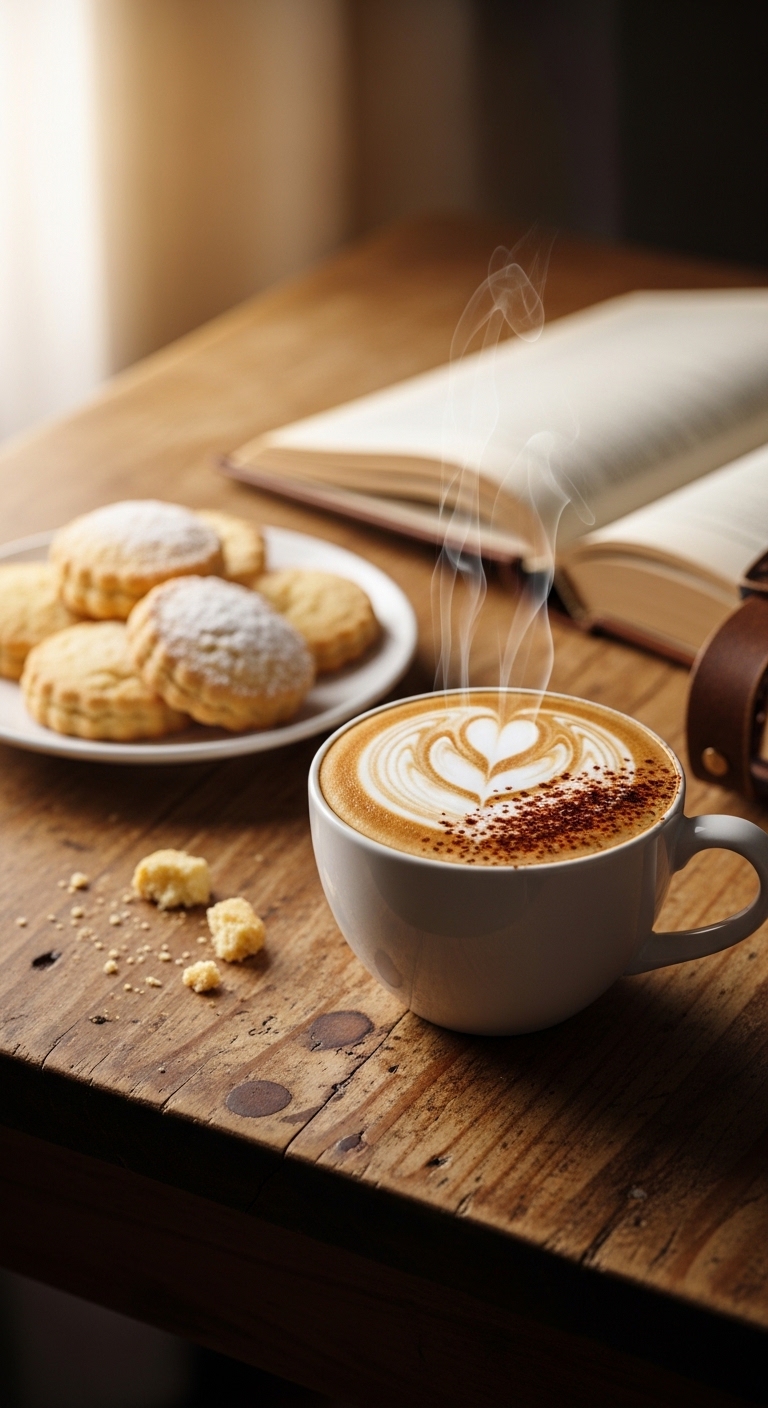
The Ultimate Coffee Recipe Guide: From Classic Brews to Café-Style Drinks at Home
Introduction
Coffee is more than a morning ritual — it’s a craft. Whether you’re a devoted espresso purist, a creamy latte lover, or someone who swears by a slow cold brew, knowing how to make the perfect coffee recipe at home transforms your daily cup into something truly extraordinary.
This comprehensive coffee recipe guide covers everything you need to know: the best brewing methods, step-by-step recipes for the most popular coffee drinks, expert tips for achieving café-quality results, and answers to the most frequently asked coffee questions. No barista certification required.
Let’s brew something remarkable.
Why Make Coffee at Home?
Home brewing has never been more popular — and for good reason:
- Superior freshness — Freshly ground beans brewed at the right temperature beats most coffee shops.
- Significant savings — A daily café latte can cost $5–$7. Homemade costs under $1 per cup.
- Complete customization — Control your grind size, water temperature, milk ratio, and sweetness level.
- Brewing mastery — Understanding coffee science helps you consistently recreate your perfect cup.
Understanding Coffee: The Basics
Before diving into recipes, understanding a few core concepts will dramatically improve your results.
Coffee-to-Water Ratio
The golden ratio for most brewing methods is 1:15 to 1:17 (coffee to water by weight). For example, 20g of coffee to 300ml of water produces a balanced, full-flavored brew. Adjust to taste — more coffee intensifies strength; less creates a lighter cup.
Water Temperature
The ideal brewing temperature is 195°F–205°F (90°C–96°C) — just off the boil. Water that’s too hot extracts bitter compounds; too cool produces a flat, sour, under-extracted brew.
Grind Size Matters
| Brewing Method | Grind Size |
|---|---|
| Espresso | Extra fine |
| Aeropress | Fine to medium-fine |
| Pour Over / V60 | Medium-fine |
| Drip Coffee Maker | Medium |
| French Press | Coarse |
| Cold Brew | Extra coarse |
Coffee Bean Roast Guide
- Light Roast — Bright, fruity, acidic. Best for pour over and filter methods.
- Medium Roast — Balanced flavor, slight sweetness. Versatile for most methods.
- Dark Roast — Bold, smoky, low acidity. Ideal for espresso and French press.
Essential Equipment for Home Brewing
You don’t need a fully-equipped café to brew exceptional coffee. Here’s what to consider based on your preferred style:
| Equipment | Best For | Approximate Cost |
|---|---|---|
| Drip coffee maker | Everyday convenience | $30–$150 |
| French press | Rich, full-bodied coffee | $20–$60 |
| Pour over / V60 | Clean, nuanced filter coffee | $15–$50 |
| Moka pot | Strong, espresso-style coffee | $25–$60 |
| Espresso machine | Espresso-based drinks | $100–$500+ |
| AeroPress | Versatile, portable brewing | $35–$45 |
| Burr grinder | Consistent grind quality | $40–$200 |
Most Important Investment: A burr grinder over a blade grinder. Consistent particle size is the single biggest factor in coffee quality after the beans themselves.
Coffee Recipes: Step-by-Step
Recipe 1: Classic Black Coffee (Drip Method)
The foundation. Clean, simple, and satisfying.
Ingredients:
- 2 tablespoons (10–12g) medium-ground coffee
- 180ml (6 fl oz) filtered water
- Optional: pinch of salt to reduce bitterness
Instructions:
- Fill your drip coffee maker’s reservoir with filtered water.
- Place a paper or reusable filter in the basket and add ground coffee.
- Brew on the standard cycle.
- Pour immediately and enjoy black, or add milk and sweetener to taste.
Yield: 1 cup | Brew Time: 5–6 minutes
Recipe 2: French Press Coffee
Rich, full-bodied, and intensely flavorful.
Ingredients:
- 30g coarsely ground coffee
- 450ml water at 200°F (93°C)
Instructions:
- Preheat the French press by rinsing with hot water. Discard the water.
- Add coarsely ground coffee to the press.
- Pour hot water evenly over the grounds to saturate fully.
- Stir gently, then place the lid on the press (plunger up).
- Steep for exactly 4 minutes.
- Press the plunger down slowly and steadily using firm, even pressure.
- Pour immediately into your cup — do not let coffee sit in the press or it will over-extract and turn bitter.
Yield: 2 cups | Brew Time: ~6 minutes
Pro Tip: Use beans roasted within the last 2–4 weeks for the freshest, most aromatic French press coffee.
Recipe 3: Pour Over Coffee (V60 / Chemex)
The choice of specialty coffee enthusiasts for clarity and complexity.
Ingredients:
- 20g medium-fine ground coffee
- 300ml water at 205°F (96°C)
Instructions:
- Place your filter in the dripper and rinse it with hot water to remove paper taste. Discard the rinse water.
- Add ground coffee to the filter and level the bed.
- Bloom: Pour 40ml of hot water over the grounds and wait 30–45 seconds. This degasses the coffee and improves extraction.
- Continue pouring water in slow, steady circular spirals — starting at the center and moving outward.
- Pour in stages: add 100ml, wait 15 seconds, add another 100ml, wait, then add the final 60ml.
- Total brew time should be 2.5 to 3.5 minutes.
- Remove the dripper, swirl gently in the cup, and serve.
Yield: 1–2 cups | Brew Time: 3–4 minutes
Recipe 4: Classic Espresso
The foundation of most café drinks — concentrated, bold, and aromatic.
Ingredients:
- 18–20g finely ground espresso beans
- 36–40ml water at 195°F (90°C)
- 9 bars of pressure (espresso machine)
Instructions:
- Preheat your espresso machine for at least 15–20 minutes.
- Dose 18–20g of freshly ground coffee into a clean, dry portafilter.
- Distribute the grounds evenly, then tamp firmly with 15–20kg of pressure — level and consistent.
- Lock the portafilter into the group head and begin extraction immediately.
- Target a 25–30 second extraction time yielding 36–40ml of espresso (a double shot).
- A well-pulled espresso should show a golden-brown crema on top.
Yield: 1 double shot (40ml) | Brew Time: ~30 seconds
Troubleshooting Espresso:
- Too fast (under 20 sec): Grind finer or tamp harder
- Too slow (over 35 sec): Grind coarser or tamp lighter
- Bitter taste: Over-extracted — coarsen grind or reduce brew time
- Sour taste: Under-extracted — fine grind or increase brew time
Recipe 5: Café Latte
Espresso and steamed milk — smooth, creamy, and comforting.
Ingredients:
- 1 double shot espresso (40ml)
- 180–200ml whole milk (or oat milk for a plant-based version)
- Optional: flavored syrup (vanilla, caramel, hazelnut)
Instructions:
- Pull a fresh double shot of espresso into a 240ml cup.
- Pour cold milk into a steaming pitcher. Submerge the steam wand just below the milk surface.
- Steam the milk to 140°F–150°F (60°C–65°C), introducing air in the first few seconds to create microfoam — velvety, glossy, and smooth with tiny uniform bubbles.
- Tap the pitcher on the counter and swirl to integrate foam.
- Pour steamed milk over the espresso in a steady stream, holding back foam with a spoon until the end.
- Top with a thin layer of microfoam. Add syrup if desired.
Yield: 1 serving | Prep Time: 3–4 minutes
No espresso machine? Brew a strong double shot in a Moka pot and heat milk in a saucepan, then froth with a handheld milk frother for an excellent stovetop latte.
Recipe 6: Iced Coffee
Refreshing, energizing, and endlessly customizable.
Ingredients:
- 2–3 tablespoons medium-ground coffee
- 240ml hot water
- Ice cubes
- Milk or cream, to taste
- Simple syrup or sweetener, optional
Instructions:
- Brew a double-strength cup of coffee using your preferred method (drip or pour over works best).
- Allow to cool slightly — 3–5 minutes.
- Fill a tall glass to the brim with ice cubes.
- Pour the hot coffee directly over the ice (this flash-chills it rapidly).
- Add milk, cream, or a sweetened creamer of your choice.
- Stir, taste, adjust sweetness, and serve immediately.
Yield: 1 large serving | Prep Time: 8–10 minutes
Recipe 7: Cold Brew Coffee
Smooth, low-acid, naturally sweet — the ultimate summer coffee.
Ingredients:
- 100g coarsely ground coffee
- 800ml cold, filtered water
Instructions:
- Combine ground coffee and cold water in a large jar or pitcher.
- Stir well to ensure all grounds are saturated.
- Cover and refrigerate for 12–24 hours. Longer steeping (18–24 hrs) creates a richer, more concentrated brew.
- Strain through a fine-mesh sieve lined with a paper coffee filter or cheesecloth.
- Store the cold brew concentrate in a sealed jar in the refrigerator for up to 2 weeks.
- To serve: Dilute with water or milk at a 1:1 ratio over ice.
Yield: ~600ml concentrate (6–8 servings) | Brew Time: 12–24 hours (hands-off)
Cold Brew vs. Iced Coffee: Cold brew is never heated — it’s extracted with cold water over time. The result is up to 67% less acidic than hot-brewed coffee, making it gentler on the stomach and naturally sweeter in flavor.
Recipe 8: Cappuccino
Equal parts espresso, steamed milk, and thick milk foam — bold and velvety.
Ingredients:
- 1 double shot espresso (40ml)
- 60ml steamed milk
- 60ml thick milk foam
Instructions:
- Pull a double shot of espresso into a pre-warmed 150–180ml cappuccino cup.
- Steam milk to 140°F (60°C), incorporating more air than a latte to create a thicker, denser foam.
- Pour steamed milk over the espresso, then spoon a generous, thick layer of foam on top.
- Dust with cocoa powder or cinnamon if desired.
Yield: 1 serving | Prep Time: 3–4 minutes
Recipe 9: Dalgona Whipped Coffee
The viral sensation — a fluffy, cloud-like coffee cream served over milk.
Ingredients:
- 2 tablespoons instant coffee
- 2 tablespoons granulated sugar
- 2 tablespoons hot water
- 240ml cold or hot milk
Instructions:
- Combine instant coffee, sugar, and hot water in a bowl.
- Using a hand mixer or whisk, beat vigorously for 3–5 minutes until the mixture becomes thick, creamy, and forms stiff peaks.
- Fill a glass with ice and pour in cold milk (or use warm milk for a hot version).
- Spoon the whipped coffee cream on top of the milk.
- Stir before drinking to combine the layers.
Yield: 1 serving | Prep Time: 5–7 minutes
Recipe 10: Bulletproof Coffee
A high-fat, keto-friendly coffee designed to boost focus and sustain energy.
Ingredients:
- 240ml freshly brewed strong black coffee
- 1 tablespoon grass-fed unsalted butter
- 1 tablespoon MCT oil or coconut oil
Instructions:
- Brew a strong cup of coffee using your preferred method.
- Add butter and MCT oil to a blender.
- Pour hot coffee into the blender.
- Blend on high for 20–30 seconds until frothy, creamy, and emulsified.
- Pour into a mug and serve immediately.
Yield: 1 serving | Prep Time: 5 minutes
Note: Bulletproof coffee is not a nutritional substitute for a balanced breakfast. Consult a healthcare professional before incorporating it into a calorie-restricted diet.
Homemade Coffee Syrups
Elevate any coffee drink with these easy, barista-grade syrups. Each recipe yields approximately 250ml of syrup and keeps refrigerated for up to 4 weeks.
Classic Simple Syrup
- 1 cup granulated sugar + 1 cup water
- Simmer until dissolved. Cool before using.
Vanilla Syrup
- 1 cup sugar + 1 cup water + 1 split vanilla bean (or 2 tsp vanilla extract)
- Simmer 5 minutes. Strain and cool.
Caramel Syrup
- 1 cup brown sugar + 1 cup water + ½ tsp sea salt
- Simmer until slightly thickened. Cool before using.
Lavender Syrup
- 1 cup sugar + 1 cup water + 2 tablespoons dried culinary lavender
- Simmer 10 minutes. Strain, cool, and refrigerate.
Expert Coffee Tips From Baristas
| Tip | Why It Matters |
|---|---|
| Buy whole beans and grind fresh | Pre-ground coffee loses 60% of its aroma within 15 minutes of grinding |
| Use filtered or bottled water | Tap water minerals and chlorine directly affect flavor |
| Store beans in an airtight container | Exposure to air, light, and moisture causes rapid staleness |
| Never freeze your coffee beans | Freezing causes moisture damage and flavor loss |
| Preheat your cups | Cold cups shock the espresso, collapsing crema and dropping temperature |
| Clean your equipment regularly | Coffee oil residue turns rancid and ruins future brews |
| Measure by weight, not volume | A kitchen scale produces far more consistent results |
| Use the freshest beans possible | Buy beans roasted within the last 2–4 weeks for peak flavor |
Nutritional Information
| Coffee Drink | Calories | Caffeine |
|---|---|---|
| Black coffee (240ml) | ~5 kcal | 80–100mg |
| Espresso (double shot) | ~10 kcal | 120–140mg |
| Latte (with whole milk) | ~150–180 kcal | 120–140mg |
| Cappuccino | ~80–100 kcal | 120–140mg |
| Cold brew (240ml, black) | ~10 kcal | 150–200mg |
| Dalgona coffee (with 240ml milk) | ~250–300 kcal | 60–80mg |
| Bulletproof coffee | ~230–260 kcal | 80–100mg |
Values are approximate and vary based on bean variety, milk type, and portion size.
Frequently Asked Questions (FAQ)
Q: What is the best coffee bean for beginners? A medium roast single-origin coffee from Colombia or Ethiopia is ideal for beginners. Colombian beans are smooth and well-balanced; Ethiopian beans offer bright, fruity notes. Both work well across most brewing methods.
Q: How much caffeine is safe per day? Health authorities generally consider up to 400mg of caffeine per day safe for most healthy adults — roughly 3–4 cups of brewed coffee. Pregnant women and those with heart conditions should consult their doctor for personal guidance.
Q: Why does my coffee taste bitter? Bitterness is almost always caused by over-extraction — water was too hot, grind too fine, or brew time too long. Try coarsening your grind, lowering the water temperature slightly, or reducing brew time.
Q: Why does my coffee taste sour or weak? Sourness indicates under-extraction — water was too cool, grind too coarse, or brew time too short. Finer grind, hotter water, and longer contact time will resolve this.
Q: Can I make espresso without an espresso machine? Yes. A Moka pot brews coffee at a pressure of approximately 1–2 bars (vs. 9 bars for an espresso machine), producing a strong, concentrated coffee with a similar intensity. An AeroPress can also produce an espresso-style concentrate. Neither produces true espresso with crema, but both are excellent alternatives.
Q: What’s the difference between Arabica and Robusta beans? Arabica (70% of global production) is smoother, sweeter, and more complex in flavor, with lower caffeine. Robusta is stronger, more bitter, higher in caffeine, and produces a thick crema — often used in espresso blends for body and intensity.
Q: How should I store coffee beans? Store beans in an airtight, opaque container at room temperature, away from heat, light, and humidity. Avoid the fridge or freezer. Use within 2–4 weeks of the roast date for peak flavor.
Conclusion
Whether you’re pulling your first espresso shot, perfecting a silky latte, or patiently waiting for a cold brew to steep overnight, mastering coffee recipes at home is a deeply rewarding journey. The gap between a mediocre cup and an exceptional one is often just a matter of small adjustments — fresher beans, better water, the right grind size.
Use this guide as your reference point, experiment freely, and trust your palate. Coffee is one of the world’s most complex beverages, but at its core, the best cup is simply the one you enjoy most.
Now go brew something brilliant.