
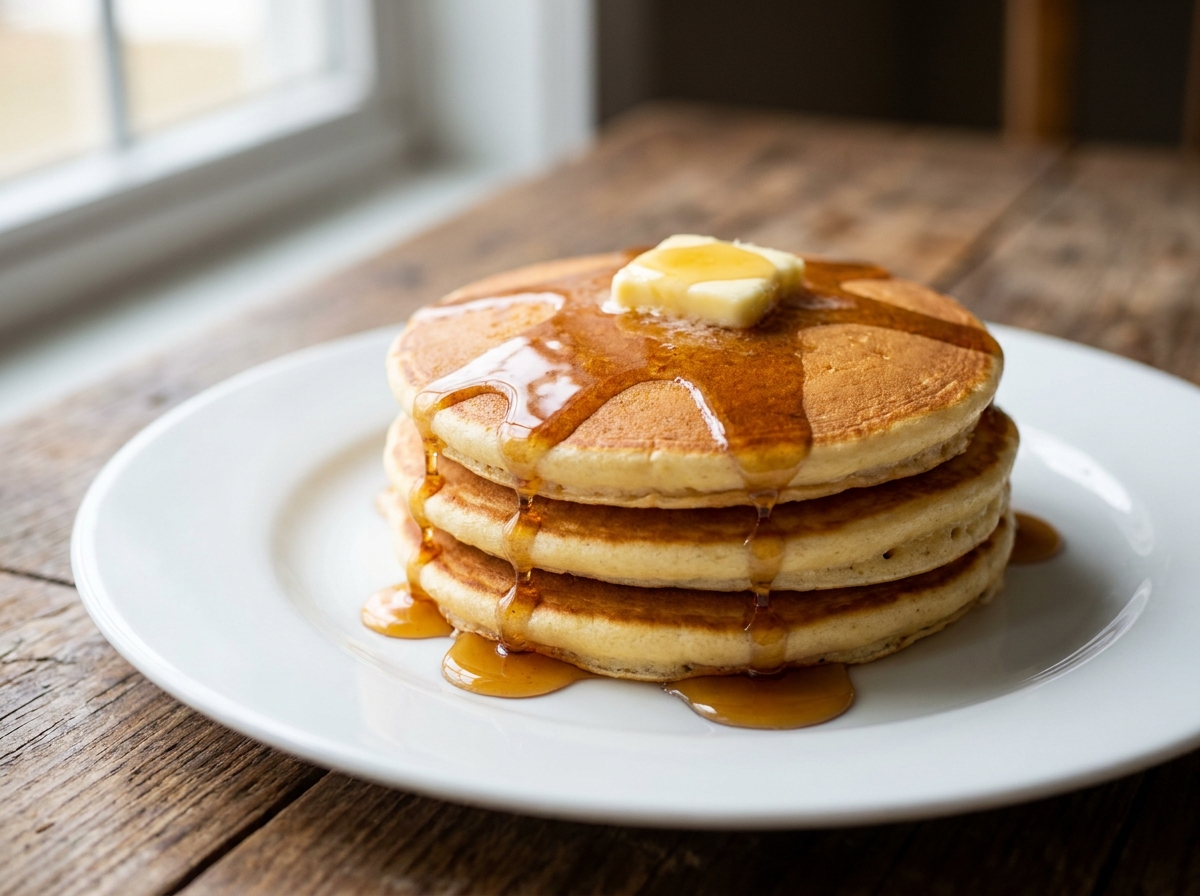
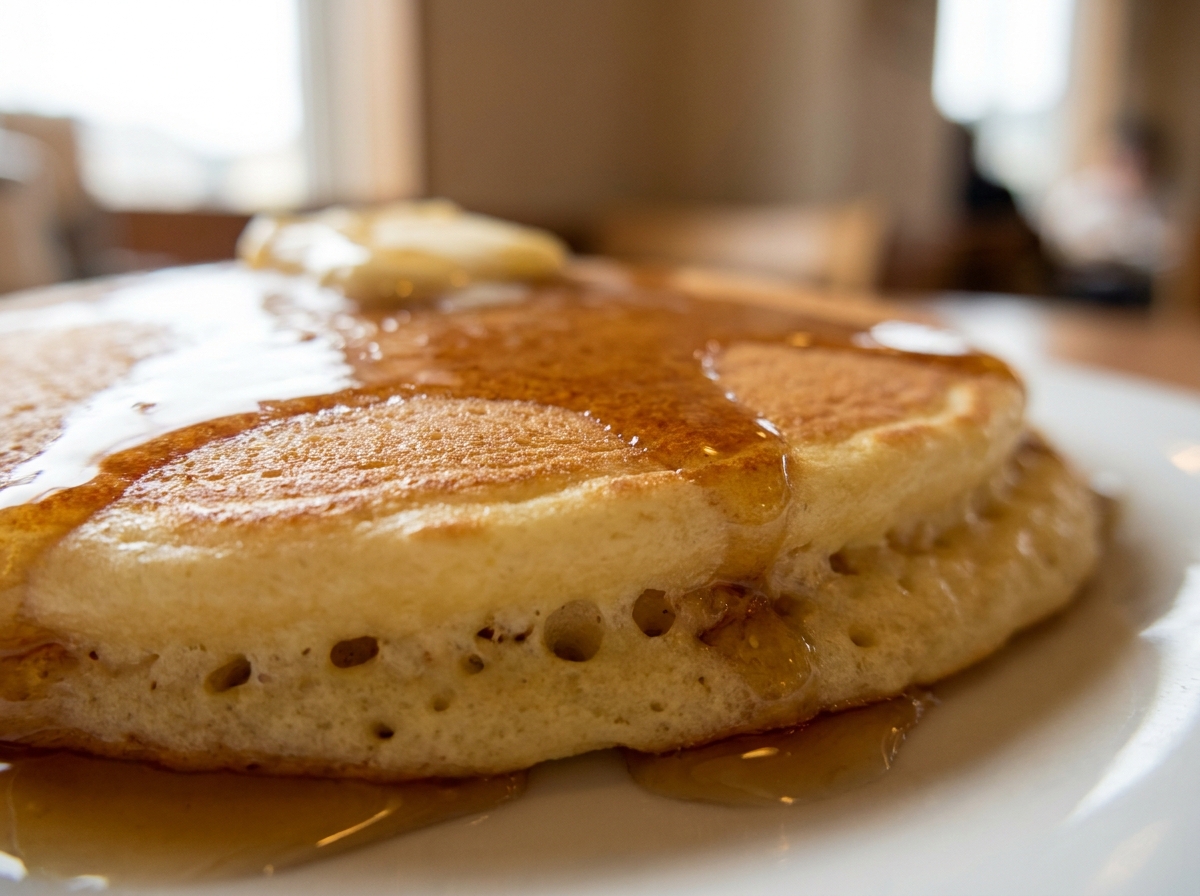
Homemade buttermilk pancakes are a breakfast classic for good reason. They cook up thick and tender, with lightly crisp edges and a soft center that is perfect for butter and maple syrup. Buttermilk adds a gentle tang and reacts with baking soda to help the pancakes rise. The result is a stack that tastes special while using everyday pantry ingredients.
The secret is not complicated: measure the flour carefully, avoid overmixing, and cook over steady medium heat. The batter should be thick and a little lumpy. If you stir until perfectly smooth, the pancakes can turn dense instead of fluffy.
Why You’ll Love These Buttermilk Pancakes
- Fluffy texture: Baking powder and baking soda work with buttermilk to create lift.
- Balanced flavor: Buttermilk adds a mild tang that keeps the pancakes from tasting overly sweet.
- Easy ingredients: You likely have most of what you need already.
- Freezer-friendly: Make a batch and reheat pancakes for quick breakfasts later.
Ingredients You’ll Need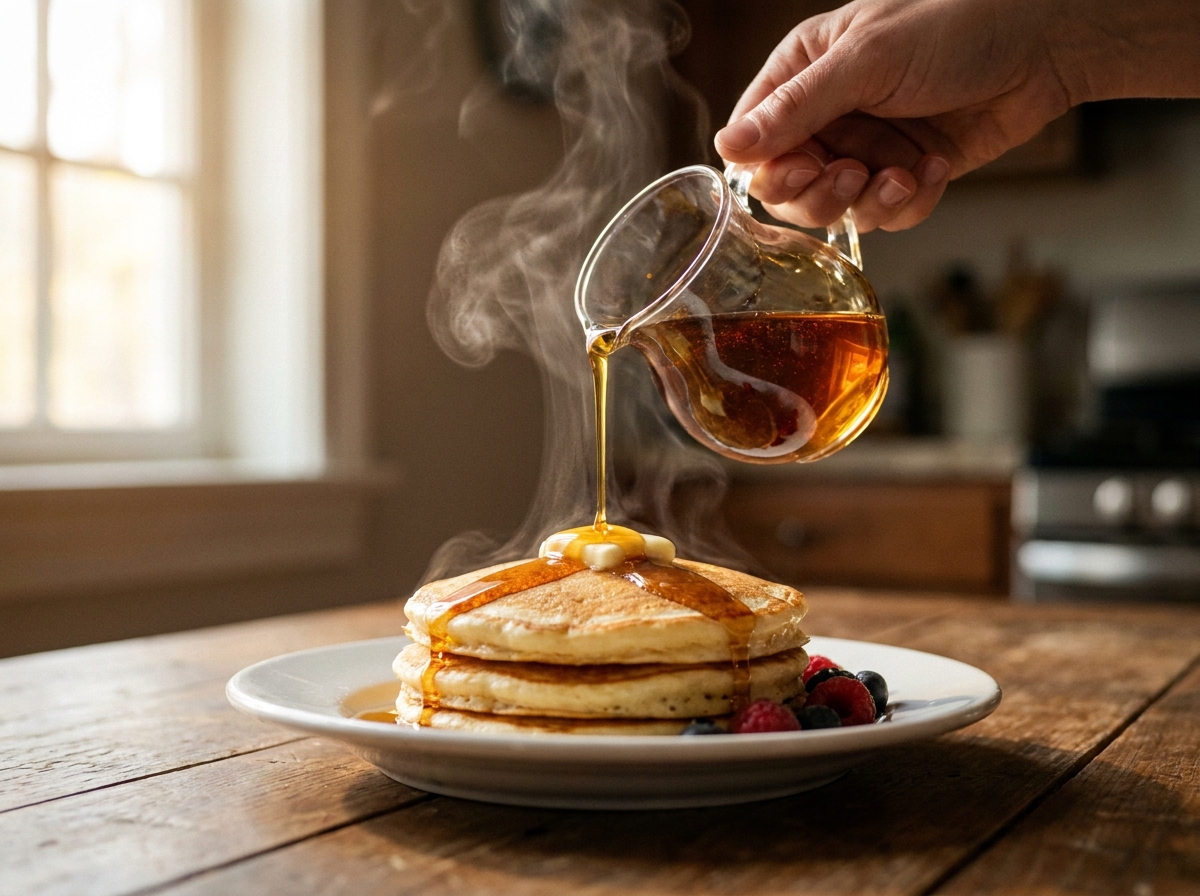
- 2 cups all-purpose flour: Spoon into the measuring cup and level off.
- 2 tablespoons granulated sugar: Adds a little sweetness and helps browning.
- 2 teaspoons baking powder: Provides lift.
- ½ teaspoon baking soda: Reacts with the acidity in the buttermilk.
- ½ teaspoon fine salt: Balances the flavor.
- 2 large eggs: Bind the batter and add structure.
- 1¾ cups buttermilk: Gives the pancakes tenderness and a light tang.
- ¼ cup unsalted butter: Melted and cooled slightly.
- 1 teaspoon vanilla extract: Optional, but adds a pleasant aroma.
- Butter or neutral oil: For lightly greasing the griddle.
Ingredient Notes and Buttermilk Substitute
Real cultured buttermilk gives the most reliable flavor and texture. If you do not have it, place 1 tablespoon lemon juice or white vinegar in a measuring cup and add enough milk to make 1¾ cups. Stir and let stand for 5–10 minutes before using. This quick substitute is convenient, although it may not behave exactly like cultured buttermilk.
Let melted butter cool slightly before mixing it with the eggs and buttermilk. Very hot butter can partially cook the eggs. For a dairy-free version, use an unsweetened plant-based milk soured with lemon juice and a suitable dairy-free butter alternative; expect some differences in flavor and browning.
How to Make Buttermilk Pancakes
- Mix the dry ingredients. In a large bowl, whisk together the flour, sugar, baking powder, baking soda, and salt. Break up any lumps so the leavening is evenly distributed.
- Mix the wet ingredients. In a second bowl, whisk the eggs, buttermilk, melted butter, and vanilla until combined.
- Combine gently. Pour the wet mixture into the dry ingredients. Fold with a spatula or whisk just until the flour is moistened. A few small lumps are normal. Do not beat the batter smooth.
- Rest briefly. Let the batter stand for 5–10 minutes while the griddle heats. It will thicken slightly as the flour hydrates. Avoid a long rest because the leavening starts reacting once wet and dry ingredients meet.
- Preheat the cooking surface. Heat a nonstick skillet or griddle over medium heat. Lightly grease it with butter or neutral oil. If the surface is smoking or the butter browns immediately, lower the heat.
- Portion the batter. Use about ¼ cup batter per pancake, leaving space between portions. Do not press the batter flat.
- Cook the first side. Cook for about 2–3 minutes, until bubbles form on top and the edges begin to look set. The underside should be golden when lifted gently with a spatula.
- Flip once. Turn the pancake carefully and cook the second side for about 1–2 minutes, until the center is cooked through. Avoid pressing down with the spatula, which can make pancakes dense.
- Repeat and keep warm. Lightly grease the pan between batches as needed. Keep cooked pancakes in a single layer on a wire rack in a 200°F (95°C) oven while finishing the batter.
- Serve. Serve warm with butter and maple syrup, or add fresh fruit, yogurt, or toasted nuts.
Tips for Light and Fluffy Pancakes
- Measure flour by spooning it into the cup and leveling the top. Packed flour makes heavy batter.
- Do not overmix. Small lumps are better than an overly smooth batter.
- Use fresh baking powder and baking soda; old leavening can produce flat pancakes.
- Cook over medium heat. High heat browns the outside before the middle cooks.
- Wait for bubbles and set edges before flipping. Flip only once when possible.
- Do not stack pancakes tightly while hot; trapped steam softens their edges.
Easy Buttermilk Pancake Variations
- Blueberry pancakes: Scatter fresh or frozen blueberries over each pancake after pouring the batter onto the griddle.
- Chocolate chip: Add a small handful of chocolate chips to the batter or sprinkle them on each pancake before flipping.
- Banana pancakes: Fold in one mashed ripe banana, reducing the buttermilk slightly if the batter becomes too loose.
- Lemon pancakes: Add 1 teaspoon lemon zest and serve with berries.
- Cinnamon pancakes: Add ½ teaspoon ground cinnamon to the dry ingredients.
- Whole wheat blend: Replace up to ½ cup of the all-purpose flour with whole wheat flour. Add a little extra buttermilk if needed.
What to Serve with Buttermilk Pancakes
Classic toppings include butter and maple syrup, but fresh strawberries, blueberries, sliced bananas, toasted pecans, or whipped cream are also delicious. For a balanced breakfast or brunch, serve pancakes with scrambled eggs, breakfast sausage, bacon, or a bowl of fresh fruit. A spoonful of Greek yogurt adds protein and a pleasant tang.
Make-Ahead, Storage, and Freezing
For make-ahead preparation, whisk the dry ingredients together and store them in an airtight container. Refrigerate the wet ingredients separately, then combine shortly before cooking. Fully mixed batter is best cooked soon after mixing because the leavening begins working.
Refrigerate leftover cooked pancakes in an airtight container for up to 3 days. To freeze, cool them completely, arrange in a single layer on a baking sheet, and freeze until firm. Stack with parchment between pancakes and transfer to a freezer-safe bag for up to 2 months for best quality. Reheat in a toaster, toaster oven, or microwave until hot.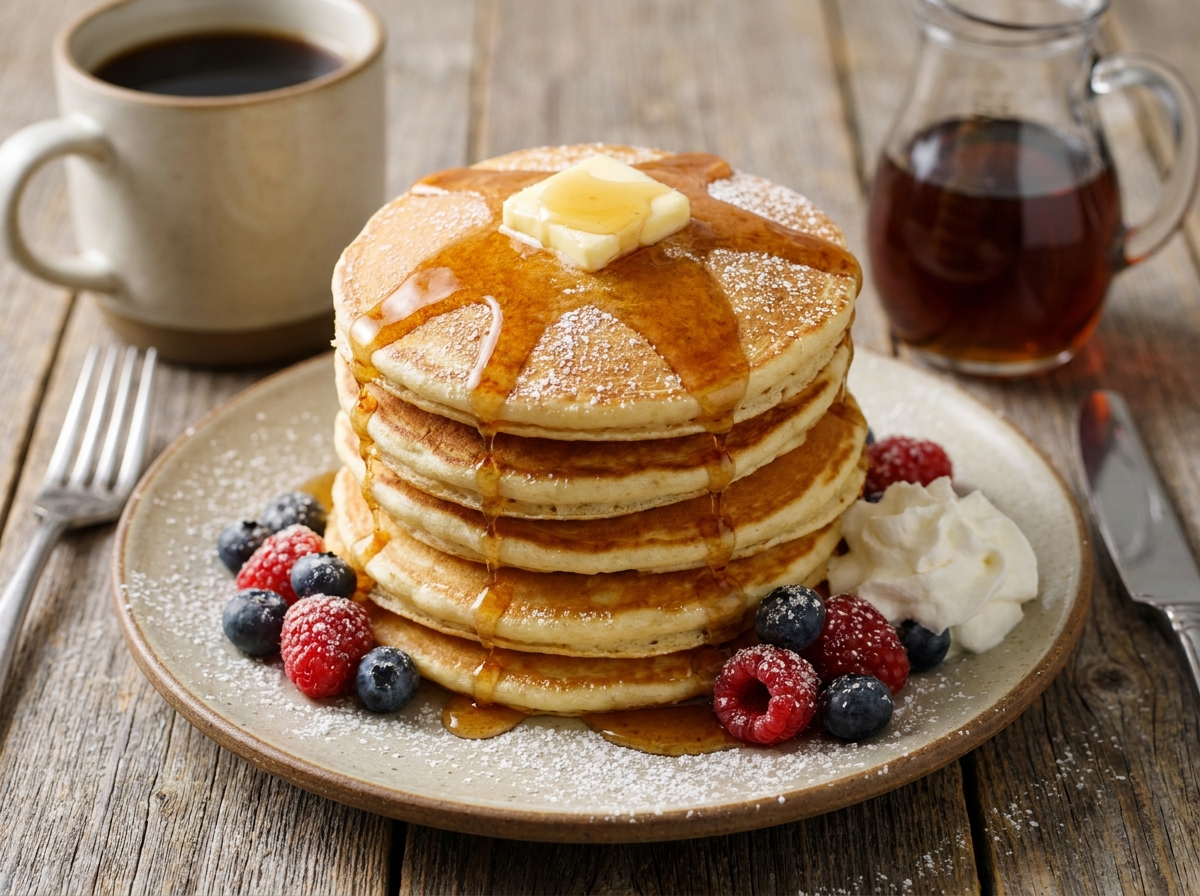
Common Pancake Problems
Pancakes are dense: The batter may have been overmixed, the flour may have been packed into the measuring cup, or the leavening may be old. Mix gently and check freshness.
Pancakes are dark outside but raw inside: Lower the heat and cook for longer. Thick pancakes need moderate heat to cook through.
Batter is too thick: Add buttermilk 1 tablespoon at a time until it is thick but pourable. Avoid thinning it too much.
Batter spreads too much: Add a tablespoon of flour and fold gently. Let it stand for a minute before judging the consistency again.
Frequently Asked Questions
Can I make buttermilk pancake batter the night before?
For the fluffiest result, mix the dry and wet ingredients separately and refrigerate them. Combine just before cooking so the leavening retains more of its lift.
Why are my pancakes not fluffy?
Common reasons include overmixing, old baking powder, too much flour, or a griddle that is too hot. Use fresh leavening and mix only until combined.
Can I use regular milk instead of buttermilk?
Yes, but the flavor and texture will change. For a closer substitute, add lemon juice or vinegar to milk and let it stand for several minutes before using.
How do I know when to flip pancakes?
Look for bubbles across the surface and edges that begin to look set. Lift one edge slightly; the underside should be golden rather than very pale or dark brown.
Recipe Notes
Use fresh leavening, measure flour carefully, and fold the batter only until combined. Cook on a moderately hot griddle and flip when bubbles form and the edges look set. These simple details make a noticeable difference in the final texture.
Final Thoughts
These buttermilk pancakes are tender, fluffy, and easy to adapt with fruit, chocolate chips, or warm spices. Keep the batter slightly lumpy, cook at a steady temperature, and serve the pancakes warm with your favorite toppings for a breakfast that feels both familiar and special.
How to Cook Pancakes Evenly from Batch to Batch
Before cooking the full batch, make one small test pancake. It helps you judge whether the griddle is too hot, too cool, or properly heated. If the pancake becomes dark before bubbles appear, lower the heat. If it stays pale and takes a long time to set, increase the heat slightly. Wipe away browned butter between batches because burnt bits can stick to later pancakes and affect their flavor. Use a thin film of fresh butter or oil rather than a deep pool of fat.
Measuring and Adjusting the Batter
Pancake batter naturally thickens as it rests because flour absorbs liquid. If it becomes too thick to portion, stir in a tablespoon of buttermilk at a time. If it is very thin and spreads into a crepe-like layer, fold in a little flour and let it stand briefly. Avoid repeatedly adjusting the batter; small changes are usually enough. Different brands of flour and the way flour is measured can affect how much liquid the batter needs.
Brunch and Topping Ideas
For a simple pancake bar, set out warm maple syrup, softened butter, berries, sliced bananas, toasted nuts, and a bowl of yogurt. Keep toppings in separate dishes so pancakes do not become soggy before serving. For a savory-sweet brunch plate, add scrambled eggs and breakfast sausage alongside a short stack. If serving a crowd, keep finished pancakes warm in a single layer on a rack in a low oven rather than stacking them under a tight cover.
Leave a Reply