
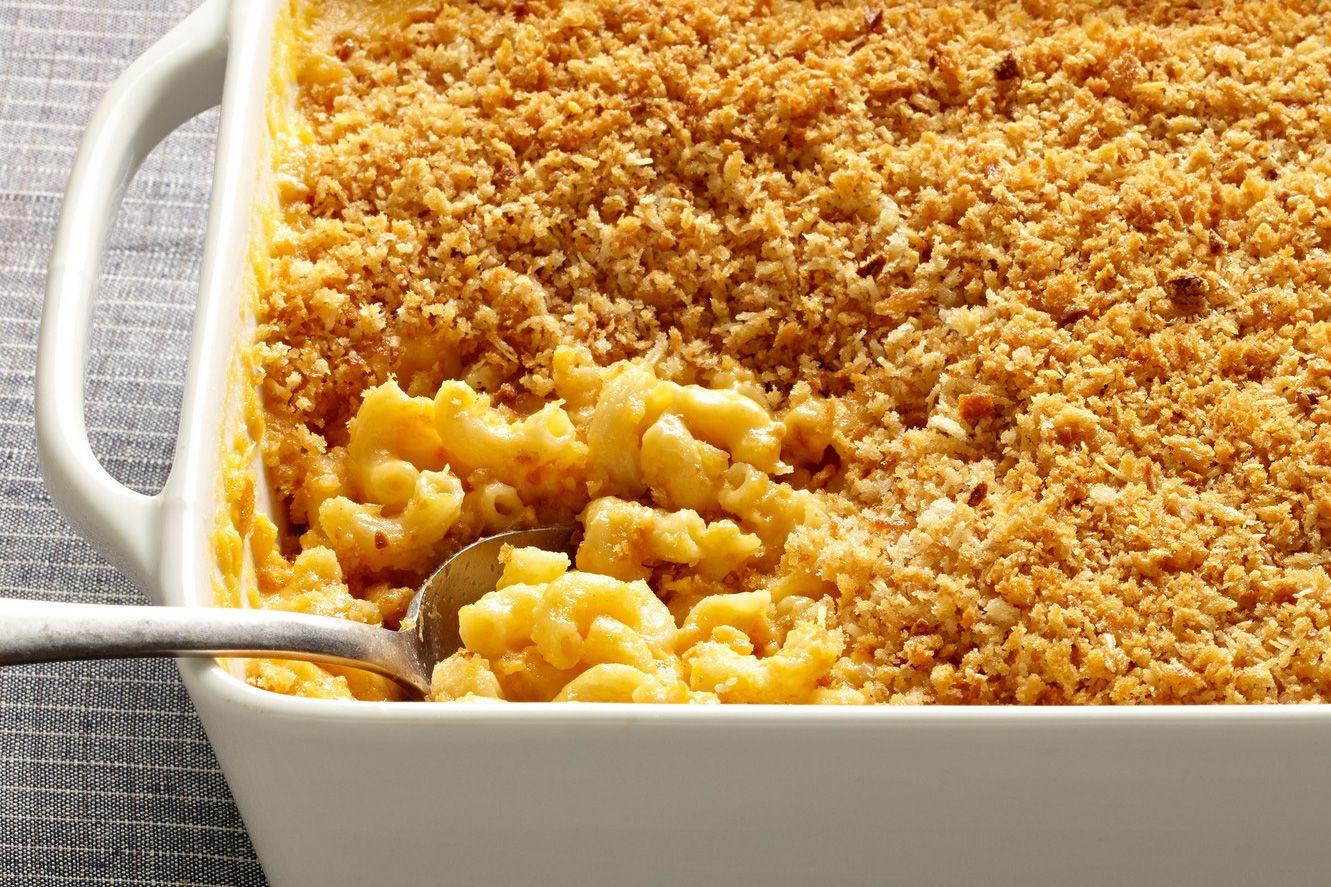
Homemade baked macaroni and cheese is the kind of comfort food that earns a place at both weeknight dinners and holiday tables. The best version has tender pasta coated in a rich, creamy cheese sauce, with a golden top that adds just enough crunch. This recipe uses sharp cheddar for its familiar tang, Gruyère for a nutty depth, and a simple butter-and-flour base to help the sauce stay cohesive during baking.
The most important detail is keeping the pasta slightly firm before it goes into the oven. It will continue absorbing sauce as the casserole bakes, so cooking it all the way first can leave you with soft noodles. A generous amount of sauce, freshly grated cheese, and a short rest after baking help create a creamy center that scoops neatly.
Why You’ll Love This Baked Macaroni and Cheese
- Real cheese flavor: Sharp cheddar gives the dish its classic taste, while Gruyère adds a mellow, nutty note.
- Creamy center: A milk-based béchamel helps distribute the cheese evenly and keeps the pasta from drying out.
- Golden topping: Buttery panko or breadcrumbs create a crisp contrast to the soft pasta.
- Flexible serving: Serve it as a main dish with vegetables or as a hearty side for roasted chicken, barbecue, or holiday meals.
Ingredients You’ll Need
- Elbow macaroni: The curved shape catches the sauce, but cavatappi or small shells are good alternatives. Cook the pasta just shy of al dente.
- Unsalted butter: Used in the sauce and breadcrumb topping. Unsalted butter lets you control the seasoning.
- All-purpose flour: Whisked with butter to make a roux, which thickens the milk into a stable sauce.
- Whole milk: Creates a rich, creamy béchamel. Warm or room-temperature milk blends more easily into the roux.
- Sharp cheddar cheese: Provides the bold, recognizable macaroni-and-cheese flavor. Grate it from a block for a smoother melt.
- Gruyère cheese: Adds a slightly nutty flavor and melts well. If unavailable, use Monterey Jack or fontina.
- Dijon mustard or mustard powder: A small amount brightens the cheese flavor without making the dish taste strongly of mustard.
- Garlic powder and paprika: Add gentle seasoning. Smoked paprika can be used for a subtle smoky note.
- Salt and black pepper: Season the pasta water and sauce carefully. Cheese already contains salt, so taste before adding more.
- Panko breadcrumbs: Make a light, crisp topping. Regular breadcrumbs also work.
- Parmesan cheese: Optional in the topping for extra savory flavor.
How to Make Baked Macaroni and Cheese
- Preheat the oven and prepare the dish. Heat the oven to 375°F (190°C). Lightly butter a 9-by-13-inch baking dish. Set it aside while you prepare the pasta and sauce.
- Cook the macaroni. Bring a large pot of well-salted water to a boil. Add the elbow macaroni and cook for about 1 to 2 minutes less than the package’s al dente time. The pasta should be flexible but still have a firm bite in the center. Drain well; do not overcook it because it will finish in the oven.
- Grate the cheese. While the water heats, grate the cheddar and Gruyère from blocks. Set aside about ¾ cup of the combined cheese for the top and use the rest in the sauce. Freshly grated cheese generally melts more smoothly than pre-shredded cheese, which often contains anti-caking ingredients.
- Make the roux. Melt 4 tablespoons of butter in a large saucepan over medium heat. Whisk in the flour and cook for about 1 minute, stirring constantly. The mixture should look smooth and bubbly but should not become dark brown.
- Add the milk gradually. Slowly pour in the milk while whisking to prevent lumps. Continue cooking over medium heat, whisking frequently, until the sauce thickens enough to coat the back of a spoon, about 5 to 7 minutes. Do not let it scorch on the bottom.
- Season the sauce. Stir in Dijon mustard, garlic powder, paprika, black pepper, and a modest amount of salt. Taste before adding more salt because the cheese will add additional seasoning.
- Melt in the cheese gently. Reduce the heat to low or remove the pan from the heat. Add the grated cheddar and Gruyère in handfuls, stirring until each addition melts before adding the next. Avoid boiling the cheese sauce; excessive heat can cause the fat and proteins to separate and create a grainy texture.
- Combine with the pasta. Add the drained macaroni to the cheese sauce and fold until every piece is coated. The mixture should look a little saucier than you want the finished casserole because the pasta will absorb some liquid as it bakes.
- Prepare the topping. Melt the remaining 2 tablespoons of butter. Stir in the panko breadcrumbs, Parmesan if using, and a pinch of paprika. The crumbs should be lightly coated, not soaked.
- Assemble the casserole. Spoon the macaroni mixture into the prepared baking dish and spread it evenly. Scatter the reserved cheese over the top, then add the buttered breadcrumbs in an even layer.
- Bake until golden. Bake uncovered for about 20 to 25 minutes, until the edges are bubbling and the topping is golden. If the top needs more color, place it under the broiler briefly, watching closely so the crumbs do not burn.
- Rest before serving. Let the casserole stand for about 10 minutes. This gives the sauce a chance to settle and makes it easier to serve generous portions without the pasta sliding apart.
How to Keep Baked Macaroni and Cheese Creamy
A dry casserole is usually caused by one or more of three things: overcooked pasta, too little sauce, or too much time in the oven. Cook the macaroni slightly under al dente, make enough sauce to coat it generously, and bake only until the edges bubble and the topping turns golden. A long bake may look impressive, but it can drive off moisture and make the cheese sauce tighten.
Cheese choice also matters. Sharp cheddar has excellent flavor but can become grainy if heated aggressively. Gruyère, Monterey Jack, or fontina can help create a smoother blend. Grate cheese yourself when possible, and stir it into the béchamel over low heat or off the heat. If the sauce seems too thick before baking, loosen it with a small splash of milk.
Tips for the Best Results
- Salt the pasta water. This is the main opportunity to season the macaroni itself.
- Do not rinse the pasta. Drain it and add it to the sauce while warm so the sauce clings to the noodles.
- Whisk the roux thoroughly. Cook the flour and butter briefly to remove the raw flour taste, then add milk gradually.
- Keep the cheese sauce below a boil. High heat can make the sauce oily or grainy.
- Reserve some cheese for the top. It gives the casserole a flavorful, browned surface under the crumbs.
- Use a shallow, wide baking dish. More surface area helps the topping brown evenly without requiring a long bake.
- Let it rest. Ten minutes makes serving easier while keeping the middle creamy.
Cheese and Flavor Variations
Classic cheddar: Use all sharp cheddar if you prefer a straightforward flavor. Three-cheese macaroni: Combine cheddar, Gruyère, and Monterey Jack or fontina. Smoky version: Add smoked paprika and a small amount of smoked Gouda. Spicy macaroni: Add a pinch of cayenne or finely chopped jalapeño. Crunchy topping: Use crushed crackers instead of panko. Vegetable addition: Fold in cooked broccoli florets or sautéed spinach, making sure excess moisture is removed first. Protein addition: Stir in cooked, chopped bacon or shredded chicken for a more substantial meal.
What to Serve with Baked Macaroni and Cheese
Because this casserole is rich, it pairs well with fresh or simply prepared sides. Serve it with a green salad, roasted broccoli, green beans, sautéed greens, or steamed peas. It also works as a side for roasted chicken, baked ham, barbecue ribs, or grilled vegetables. For a balanced plate, add a vegetable with a little acidity or freshness to contrast with the creamy cheese.
Make-Ahead, Storage, and Reheating
For make-ahead preparation, assemble the macaroni and cheese without the breadcrumb topping, cover, and refrigerate for up to 24 hours. Let the dish sit out briefly while the oven preheats, add the topping just before baking, and expect that a chilled casserole may need extra time. Make sure the center becomes hot throughout. For the best texture, you can also prepare the cheese sauce and cook the pasta separately, then combine and bake closer to serving.
Store leftovers in an airtight container in the refrigerator and use within 3 to 4 days. Reheat individual portions in the microwave with a splash of milk, stirring halfway through. For a larger amount, cover the dish with foil and warm in a 325°F (165°C) oven until hot throughout. Add a little milk around the edges if the pasta looks dry. Reheat leftovers to 165°F (74°C). Freezing is possible, but the sauce may become slightly grainy or separate after thawing; freeze in portions for up to 2 months for best quality and thaw overnight in the refrigerator.
Frequently Asked Questions
Why is my baked macaroni and cheese dry?
The pasta may have been overcooked before baking, the sauce may have been too thick, or the casserole may have baked too long. Cook pasta slightly under al dente and keep the mixture generously coated with sauce before it goes into the oven.
Can I use pre-shredded cheese?
You can, but block cheese grated at home usually melts more smoothly. Pre-shredded cheese often has anti-caking coatings that can affect the texture of the sauce.
Can I make baked macaroni and cheese without breadcrumbs?
Yes. Leave off the topping and scatter the reserved cheese over the casserole. You will still get a cheesy top, though it will not have the same crisp texture.
What is the best cheese for macaroni and cheese?
Sharp cheddar is a dependable base for flavor. Gruyère, Monterey Jack, fontina, or mild cheddar can be blended in for different melting qualities and flavor. Avoid relying entirely on very dry, aged cheeses if you want a smooth sauce.
Can I use a different pasta shape?
Yes. Cavatappi, shells, or short ridged pasta all work well because they hold onto sauce. Adjust the cooking time according to the package and stop before the pasta becomes fully soft.
Recipe Card
Creamy Baked Macaroni and Cheese
Prep: 20 minutes | Cook: 30–35 minutes | Rest: 10 minutes | Yield: 8 servings
Ingredients
- 1 pound (450 g) elbow macaroni
- 6 tablespoons unsalted butter, divided
- ¼ cup (30 g) all-purpose flour
- 4 cups (960 ml) whole milk
- 3 cups (about 340 g) freshly grated sharp cheddar, divided
- 1½ cups (about 170 g) freshly grated Gruyère, divided
- 1 teaspoon Dijon mustard or ½ teaspoon mustard powder
- ½ teaspoon garlic powder
- ¼ teaspoon paprika, plus a pinch for topping
- ½ teaspoon black pepper
- Salt, to taste
- 1 cup (about 55 g) panko breadcrumbs
- ¼ cup (25 g) grated Parmesan, optional
Instructions
- Heat oven to 375°F (190°C). Butter a 9-by-13-inch baking dish.
- Boil macaroni in salted water until 1 to 2 minutes shy of al dente. Drain.
- Melt 4 tablespoons butter in a saucepan. Whisk in flour and cook 1 minute.
- Gradually whisk in milk. Cook 5 to 7 minutes, until thickened.
- Season with mustard, garlic powder, paprika, pepper, and salt.
- Lower heat or remove from heat. Stir in most of the cheddar and Gruyère until melted.
- Fold in macaroni and transfer to the baking dish. Top with reserved cheese.
- Melt remaining 2 tablespoons butter and mix with panko and Parmesan. Sprinkle over the casserole.
- Bake 20 to 25 minutes, until bubbling at the edges and golden on top. Rest 10 minutes before serving.
Storage: Refrigerate leftovers for 3 to 4 days. Reheat to 165°F (74°C). Freezing may slightly change the sauce texture.
Allergen note: Contains wheat, milk, and may contain additional allergens depending on the pasta and cheese brands. Check package labels for allergen and cross-contact information.
Recipe Notes and Further Reading
For a helpful explanation of the roux-based sauce and cheese selection, see The Kitchn’s baked macaroni and cheese guide. For another baked approach and pasta preparation ideas, see Food Network’s baked macaroni and cheese. For more on why excessive heat can make cheese sauces grainy, see Serious Eats’ explanation of grainy mac and cheese. The quantities and instructions above are written for Bright Journey Hub.
Leave a Reply