
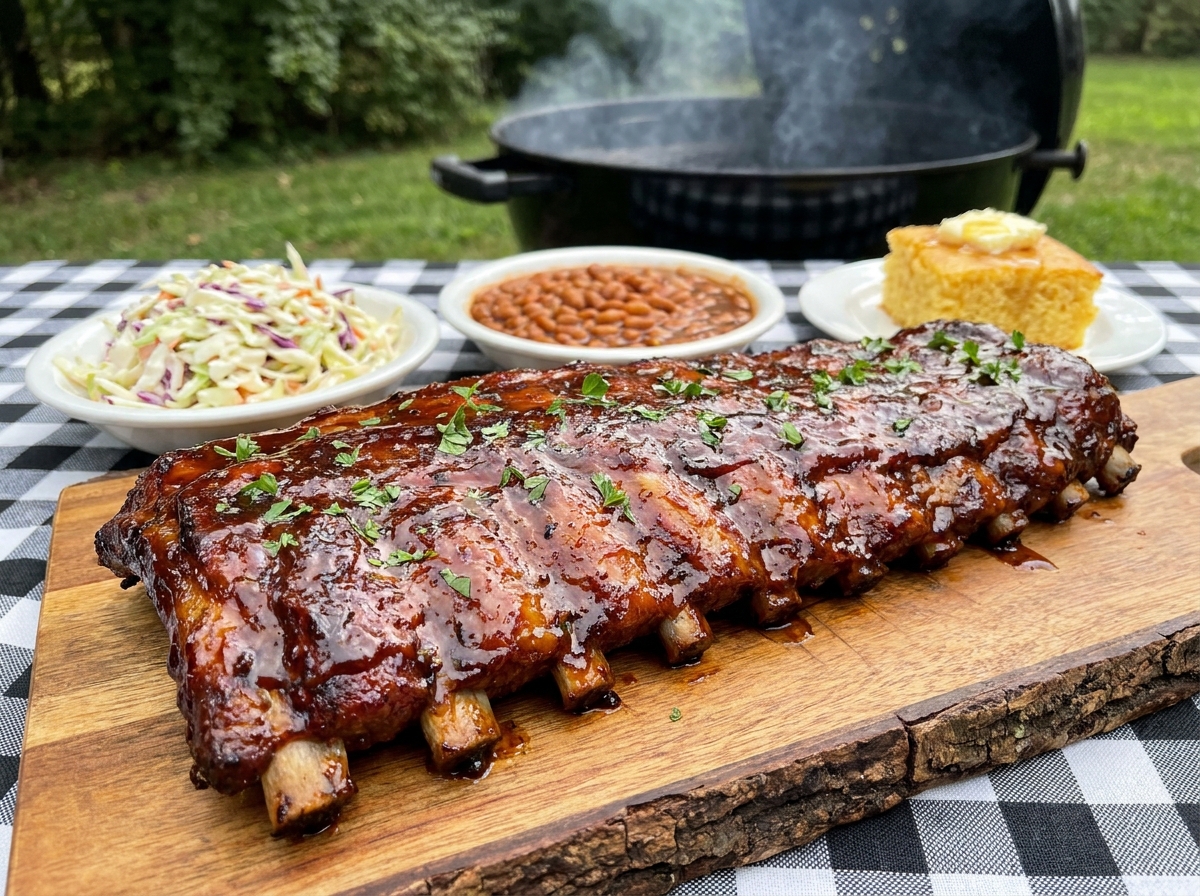
Tender BBQ Ribs Without a Smoker
Great barbecue ribs are all about building flavor and giving the meat enough time to become tender. You do not need a backyard smoker to make a satisfying rack at home. This oven method seasons pork ribs with a smoky, savory dry rub, cooks them gently in a covered pan, and finishes them with a glossy barbecue sauce that caramelizes under the broiler or on a hot grill.
The method works with baby back ribs or St. Louis-style spare ribs. Baby backs are usually smaller and may cook faster, while spare ribs are larger and richer. Rather than relying on a single exact cooking time, use tenderness as your guide: the rack should bend easily and a probe or toothpick should slide between the bones with little resistance.
Ingredients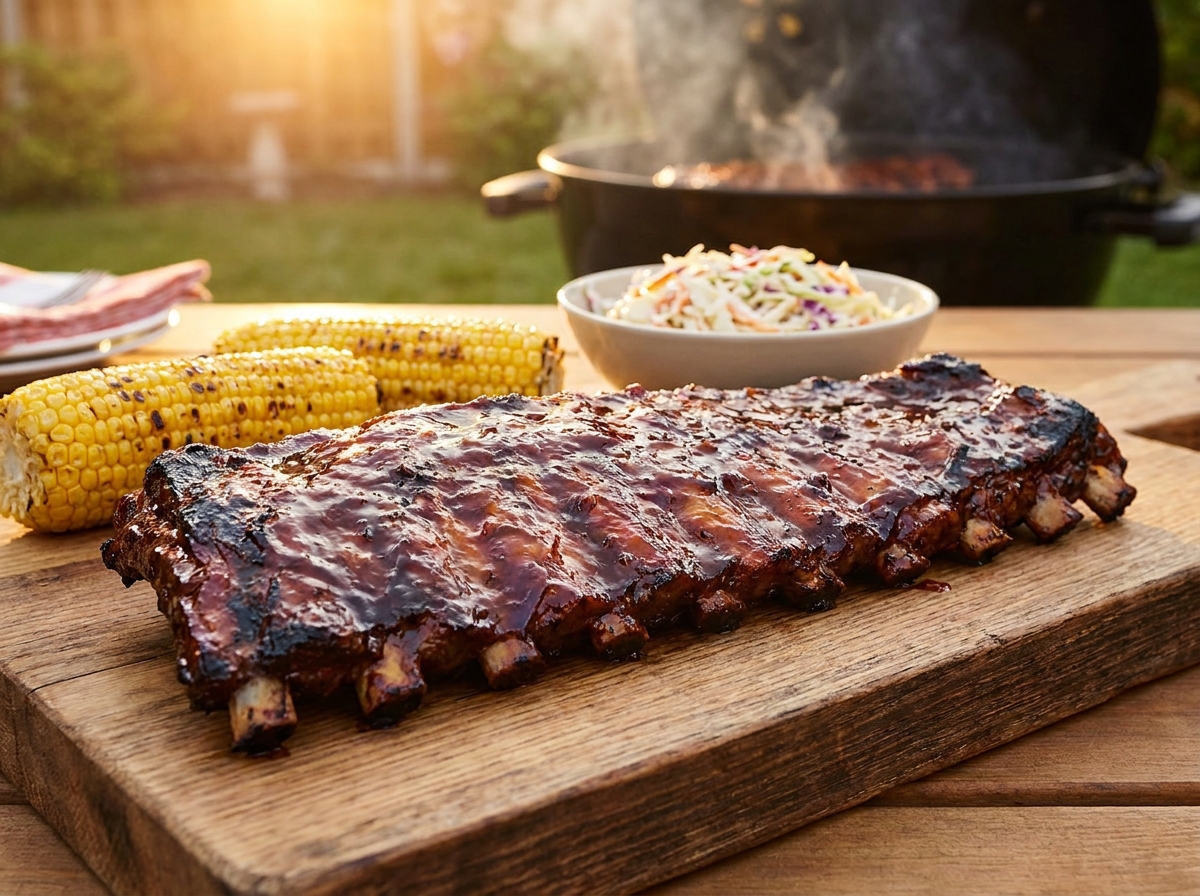
For the Ribs
- 2 racks pork baby back ribs or St. Louis-style ribs, about 4–5 pounds total
- 1 tablespoon brown sugar
- 2 teaspoons smoked paprika
- 1½ teaspoons kosher salt
- 1 teaspoon black pepper
- 1 teaspoon garlic powder
- 1 teaspoon onion powder
- ½ teaspoon chili powder
- ¼ teaspoon cayenne pepper, optional
- 1 tablespoon yellow mustard or a little neutral oil, optional, to help the rub adhere
- ½ cup water or apple juice for the roasting pan
For the BBQ Glaze
- 1 cup barbecue sauce
- 1 tablespoon apple cider vinegar
- 1 tablespoon honey or brown sugar, optional
- 1 teaspoon Worcestershire sauce, optional
Choosing and Preparing the Ribs
Look for ribs with even meat coverage and a fresh appearance. Baby back ribs are leaner and generally cook more quickly. St. Louis-style ribs have more fat and connective tissue, which can become tender during a longer cook. If the ribs have a tough, shiny membrane on the bone side, remove it before seasoning. Slide a butter knife under one corner, grip the membrane with a paper towel, and pull it away. Ask your butcher to remove it if you prefer.
How to Make Oven-Baked BBQ Ribs
- Preheat the oven. Heat the oven to 300°F. Line a large rimmed baking sheet or roasting pan with heavy-duty foil for easier cleanup. Use a rack or pan large enough to hold the ribs without folding them tightly.
- Prepare the dry rub. Combine brown sugar, smoked paprika, salt, black pepper, garlic powder, onion powder, chili powder, and cayenne if using. Stir until evenly mixed.
- Season the ribs. Pat the ribs dry. If desired, rub a very thin layer of mustard or oil over both sides; this helps the seasoning stick and does not make the ribs taste strongly of mustard. Sprinkle the rub over the meat, pressing it gently into the surface.
- Wrap and add moisture. Place the ribs meat-side up on the foil. Add water or apple juice to the bottom of the pan, not directly over the rub. Cover tightly with another layer of foil to trap steam and help the ribs cook evenly.
- Bake until tender. Bake baby back ribs for roughly 2½–3½ hours and larger spare ribs for roughly 3–4 hours, checking for tenderness rather than treating the time as exact. The meat should have pulled back slightly from the bone ends, and a toothpick should slide between the bones with little resistance.
- Make the glaze. Stir together barbecue sauce, vinegar, honey or brown sugar, and Worcestershire sauce if using. Taste and adjust: vinegar adds tang, while honey adds sweetness and helps the glaze shine.
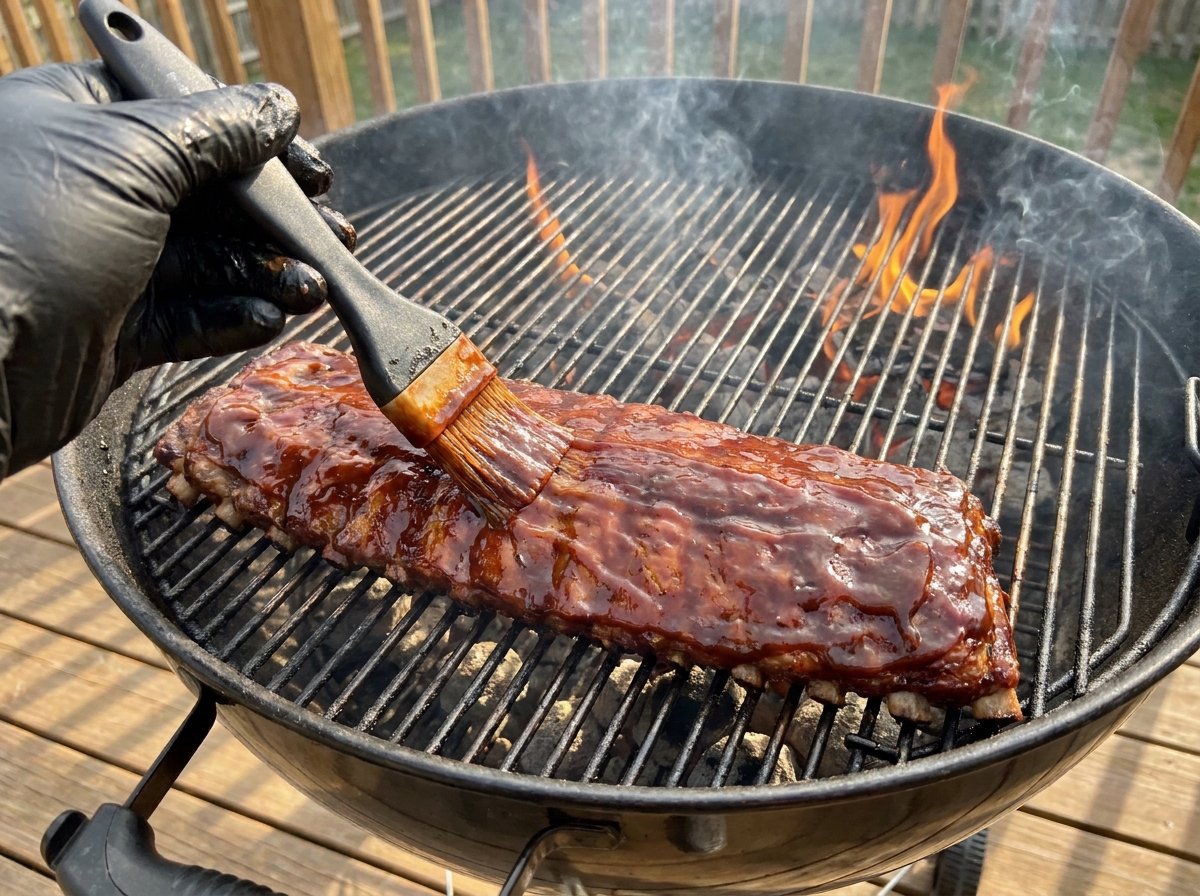
- Glaze the ribs. Carefully uncover the pan; hot steam will escape. Transfer the ribs to a foil-lined baking sheet, meat-side up. Brush with a generous layer of sauce.
- Caramelize the surface. Broil on high for 2–5 minutes, watching constantly, until the sauce bubbles and begins to caramelize. Alternatively, finish over a medium grill for a few minutes per side, brushing with additional sauce. Sugar burns quickly, so do not walk away.
- Rest and slice. Rest the ribs for about 5–10 minutes. Turn them bone-side up and slice between the bones with a sharp knife. Serve extra sauce on the side.
How to Tell When Ribs Are Tender
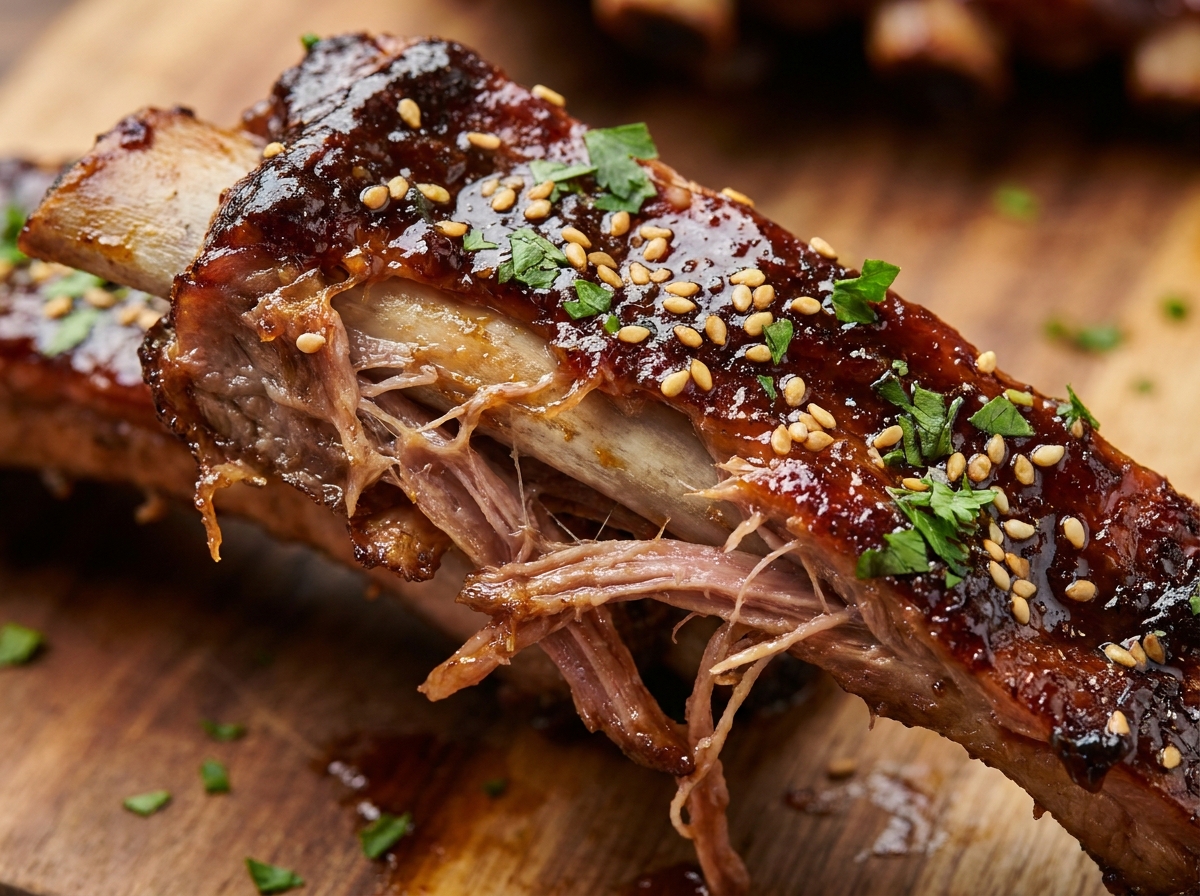
Ribs do not behave like a lean steak. Their connective tissue needs time and gentle heat to soften. Look for a rack that bends when lifted with tongs, meat that has drawn back slightly from the ends of the bones, and a toothpick that enters between the bones with little resistance. The bones should not necessarily fall out completely; that can indicate the meat has become overly soft for some preferences.
Tips for Better BBQ Ribs
- Remove the membrane. It can remain tough after cooking and prevent seasoning from reaching the bone side.
- Use a moderate oven. Low, steady heat helps the meat tenderize without drying the surface too quickly.
- Seal the foil tightly. A loose cover lets moisture escape and can lengthen cooking.
- Do not sauce too early. Barbecue sauce often contains sugar, which can scorch during a long cook. Add it near the end.
- Watch the broiler. The difference between caramelized and burnt sauce can be less than a minute.
- Rest before slicing. A short rest makes the rack easier to handle and slice neatly.
BBQ Rib Variations
Sweet and smoky: Use a smoky barbecue sauce and add an extra teaspoon of brown sugar to the glaze.
Spicy ribs: Add cayenne to the rub and stir hot sauce or chipotle into the barbecue sauce.
Honey garlic: Add 1 tablespoon honey and 1 teaspoon finely grated garlic to the glaze. Keep the glaze away from direct high heat for too long because honey can burn.
Carolina-inspired tangy ribs: Use a vinegar-forward sauce with extra apple cider vinegar, a little mustard, and black pepper.
Less sweet: Choose a savory barbecue sauce and omit the added honey or brown sugar.
What to Serve with BBQ Ribs
Ribs pair naturally with classic barbecue sides: coleslaw, cornbread, baked beans, potato salad, macaroni and cheese, collard greens, or grilled corn. A crisp vinegar-based slaw is especially useful because its acidity balances the rich pork and sweet sauce. Offer plenty of napkins and extra sauce at the table.
Storage and Reheating
Refrigerate leftover ribs within 2 hours of cooking in a shallow airtight container. They keep for about 3–4 days in the refrigerator. For longer storage, freeze cooled ribs in airtight, freezer-safe packaging for up to 2–3 months for best quality. Store sauce separately when possible.
To reheat, place ribs in a baking dish with a spoonful of water, broth, or extra barbecue sauce. Cover with foil and warm in a 300°F oven until hot throughout. Uncover for the final few minutes if you want to refresh the glaze. Avoid reheating uncovered for a long time, which can dry the meat.
Frequently Asked Questions
Can I use beef ribs instead of pork ribs?
This recipe is written for pork ribs. Beef ribs are often larger and may need a different cooking time and seasoning balance. Use a beef-rib-specific method and judge doneness by tenderness.
Should I boil ribs before baking?
No. Boiling can wash flavor into the water and may leave the meat with a less appealing texture. A covered, low-temperature oven cook tenderizes the ribs while keeping the seasoning and juices close to the meat.
Can I prepare ribs a day ahead?
Yes. Cook them until tender, cool and refrigerate promptly, then glaze and finish in a hot oven or on the grill shortly before serving. Reheat until hot throughout before caramelizing the sauce.
Why are my ribs tough?
They may need more time. Ribs can look cooked before their connective tissue has softened. Continue cooking covered and check tenderness at intervals.
Final Thoughts
Oven-baked BBQ ribs are a practical way to bring barbecue flavor to the dinner table without special equipment. A well-seasoned rub, tightly covered low-temperature cook, and quick sticky glaze create a rack that is savory, tender, and full of flavor. Give the ribs enough time, finish the sauce carefully, and serve with crisp, fresh sides.
Baby Back Ribs vs. St. Louis-Style Ribs
Baby back ribs come from the upper part of the rib cage and are usually shorter, leaner, and more curved. St. Louis-style ribs are trimmed spare ribs with a flatter shape and more fat. Both can become tender in the oven, but the larger spare ribs commonly need more time. If the rack is especially thick, begin checking later rather than relying only on the clock. The tenderness test is more dependable than the label on the package.
Making the Barbecue Sauce Taste Balanced
Before brushing the sauce onto the ribs, taste it. If it is very sweet, add a little vinegar to brighten it. If it tastes sharp, stir in a small amount of honey or brown sugar. A dash of Worcestershire sauce adds savory depth, while hot sauce gives heat. Make changes gradually; the sauce should complement the pork and dry rub rather than cover every flavor.
Planning the Cooking Schedule
Ribs are useful for entertaining because most of the cooking happens in the oven. You can bake them until tender earlier in the day, cool them safely, and refrigerate them. Before serving, reheat them covered until hot throughout, then brush with sauce and caramelize the glaze. This approach keeps the final step short and lets you focus on side dishes and guests. Do not leave cooked ribs at room temperature while waiting to finish them.
Leave a Reply