

Snickerdoodles are old-fashioned cinnamon sugar cookies with a distinctive flavor and texture. Each cookie is rolled in cinnamon sugar before baking, creating a fragrant, lightly crisp exterior around a soft, chewy center. Their gentle tang comes from cream of tartar, a traditional ingredient that gives snickerdoodles a character different from ordinary sugar cookies.
This recipe keeps the method straightforward: cream butter and sugar, mix in the egg and vanilla, add the dry ingredients, chill the dough briefly, and roll each portion in cinnamon sugar. The most important details are measuring the flour correctly, using room-temperature ingredients, and taking the cookies out before they become too dark.
What Are Snickerdoodles?
Snickerdoodles are soft cookies coated in cinnamon and sugar. Traditional recipes use cream of tartar, often with baking soda, to provide lift and a slightly tangy flavor. That small amount of acidity is part of what makes a snickerdoodle taste different from a plain sugar cookie rolled in cinnamon sugar.
Ingredients You’ll Need
- 2 3/4 cups (345 g) all-purpose flour: Gives the cookies structure. Spoon and level the flour or weigh it for accuracy.
- 2 teaspoons cream of tartar: Adds the characteristic mild tang and reacts with baking soda.
- 1 teaspoon baking soda: Helps the cookies rise and spread.
- 1/2 teaspoon fine salt: Balances the sweetness and enhances the butter flavor.
- 1 cup (226 g) unsalted butter, softened: Creates a rich, tender cookie. It should be soft but not melted.
- 1 1/2 cups (300 g) granulated sugar: Sweetens the dough and helps create the classic texture.
- 2 large eggs, at room temperature: Bind the dough and provide structure.
- 2 teaspoons vanilla extract: Adds warmth and rounds out the cinnamon.
- 3 tablespoons granulated sugar for coating: Forms the sweet outer layer.
- 1 tablespoon ground cinnamon: Gives the coating its familiar warm spice flavor.
Why Cream of Tartar Matters
Cream of tartar is an acidic ingredient that reacts with baking soda and contributes to the classic snickerdoodle flavor. It also affects the cookie’s texture. If you leave it out, the cookies may still bake, but they will taste more like ordinary cinnamon sugar cookies. For the most recognizable result, use fresh cream of tartar and baking soda.
If you do not have cream of tartar, a different cookie recipe formulated with baking powder is a better choice than making a direct one-for-one substitution. Baking powder already contains an acid and base in a balanced formula, so changing the leavening can affect spread and texture.
How to Make Soft and Chewy Snickerdoodles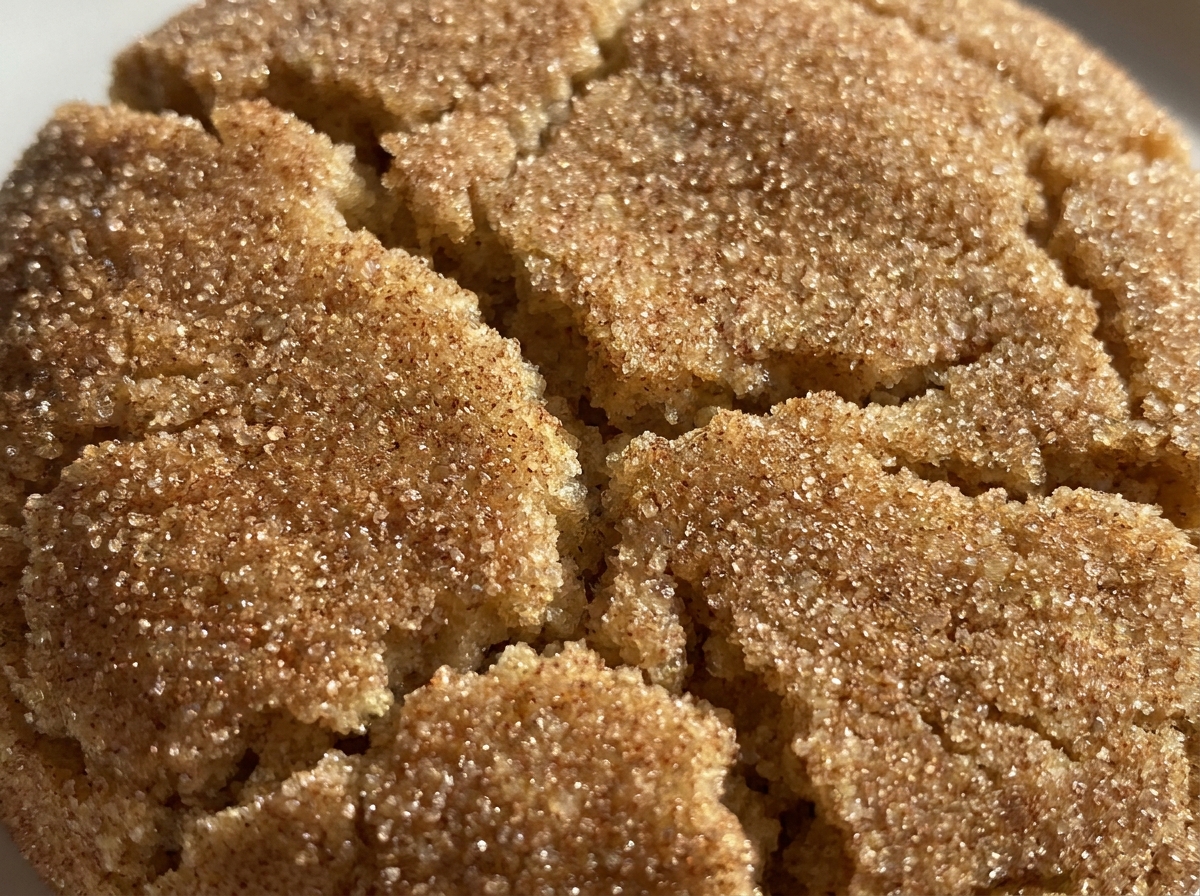
- Prepare the oven and baking sheets. Heat the oven to 350°F (175°C). Line two baking sheets with parchment paper. Set a wire rack nearby for cooling the cookies.
- Whisk the dry ingredients. In a medium bowl, whisk together the flour, cream of tartar, baking soda, and salt. Make sure the cream of tartar and baking soda are evenly distributed so the cookies rise consistently.
- Cream butter and sugar. In a large bowl, beat the softened butter and 1 1/2 cups sugar for about 2–3 minutes, until light and creamy. Scrape the sides and bottom of the bowl as needed.
- Add the eggs and vanilla. Beat in the eggs one at a time, mixing after each addition. Add the vanilla and mix until combined. Room-temperature eggs blend more evenly into the butter mixture.
- Add the dry ingredients. Mix in the flour mixture on low speed in two additions. Stop as soon as a soft dough forms and no dry flour remains. Overmixing can make the cookies tougher.
- Chill the dough. Cover and refrigerate for 30 minutes. This firms the butter, makes the dough easier to roll, and helps the cookies keep a thicker shape. If the dough becomes very firm, let it sit at room temperature for a few minutes.
- Make the cinnamon sugar. In a small bowl, stir together the 3 tablespoons sugar and ground cinnamon until evenly combined.
- Roll the dough. Scoop about 1 1/2 tablespoons of dough for each cookie and roll into a smooth ball. Roll each ball in the cinnamon sugar until fully coated.
- Arrange on the baking sheets. Place the coated dough balls about 2 inches apart. Keep the portions similar in size so they bake evenly. Do not flatten them; they will spread as they bake.
- Bake until just set. Bake for 9–11 minutes. The edges should look set and the tops may show small cracks, while the centers remain soft. Avoid waiting for the cookies to become dark brown.
- Cool and serve. Let the cookies rest on the baking sheet for 5 minutes before transferring to a wire rack. They will continue to set as they cool. Serve warm or at room temperature.
Tips for the Best Snickerdoodles
- Do not skip the cream of tartar. It gives snickerdoodles their familiar tang and helps distinguish them from cinnamon sugar cookies.
- Use room-temperature butter and eggs. They combine more evenly and create a consistent dough.
- Measure flour accurately. Too much flour can make the cookies dry and prevent them from spreading properly.
- Chill the dough. A short chill makes rolling easier and helps control spreading.
- Coat generously. Roll each dough ball thoroughly so the cinnamon sugar covers the surface.
- Watch the baking time. Pull the cookies when the edges are set and the centers still look soft.
- Use a cool baking sheet for each batch. Dough placed on a hot pan can start melting before it reaches the oven.
How to Get the Right Texture
For soft, chewy centers, avoid adding extra flour and do not overbake. The cookies should look slightly underdone in the middle when they first come out of the oven; the hot baking sheet continues to cook them for several minutes. If you prefer a firmer cookie, leave them in the oven for another minute, checking that the edges do not become too dark.
Cookie size also matters. Smaller dough balls bake faster and may become crisp throughout if left in for the full time. Use a cookie scoop or measuring spoon to keep the portions consistent. If you want a thicker cookie, chill the dough a little longer rather than adding more flour.
Easy Snickerdoodle Variations
- Extra cinnamon: Increase the cinnamon in the coating slightly for a stronger spice flavor.
- Brown butter snickerdoodles: Brown the butter, cool until soft and opaque, then use it in the dough. Brown butter adds a nutty flavor, but because it loses water, the dough may need a small adjustment and a longer chill.
- Maple snickerdoodles: Replace 1 teaspoon of the vanilla with maple extract, or add a little maple flavoring. Avoid adding a large amount of liquid maple syrup because it changes the dough consistency.
- Chai-spiced: Add a small pinch of ground ginger, cardamom, and nutmeg to the cinnamon sugar.
- Mini snickerdoodles: Use smaller portions and begin checking the cookies around 7–8 minutes.
- Filled snickerdoodles: Wrap dough around a small piece of soft caramel, seal completely, and bake with extra space between cookies. The filling will be hot after baking.
Make-Ahead, Storage, and Freezing
Refrigerate the dough: Cover the dough tightly and refrigerate for up to 2 days. If it is too firm to scoop, let it stand briefly at room temperature. Roll the portions in cinnamon sugar just before baking for the best coating.
Freeze unbaked dough: Scoop and roll the dough balls, then freeze them on a lined tray until firm. Transfer to a freezer-safe container for up to 2 months. For the best cinnamon sugar coating, roll the frozen portions in fresh cinnamon sugar just before baking. Add a minute or two to the baking time and check for set edges.
Store baked cookies: Cool completely and store in an airtight container at room temperature for about 4–5 days. Keep them away from heat and direct sunlight. Freeze baked cookies in a sealed container for up to 2 months for best quality; thaw at room temperature.
Common Snickerdoodle Problems
Why did my snickerdoodles turn out flat? The butter may have been too warm, the dough may not have chilled long enough, or the flour may have been under-measured. Chill the dough and make sure the butter is softened rather than melted.
Why are they puffy and cakey? Too much flour or overmixing can create a thicker, cakier cookie. Measure the flour accurately and mix only until the dough comes together.
Why are they not tangy? Cream of tartar may have been omitted, old, or measured incorrectly. It is an important part of the traditional flavor.
Why is the cinnamon sugar patchy? The dough balls may have been damp or not rolled thoroughly. Roll each portion until the entire surface is coated just before baking.
Frequently Asked Questions
Can I make snickerdoodles without cream of tartar?
You can make a cinnamon sugar cookie without it, but the result will not have the same traditional tang. Cream of tartar is a defining ingredient in classic snickerdoodles, so use a recipe specifically developed for a substitute if you need to leave it out.
Are snickerdoodles supposed to be soft?
They are often soft and chewy in the center with lightly crisp edges. Baking time and cookie size determine the final texture. For a softer cookie, remove them as soon as the edges are set.
Can I use salted butter?
Yes. Reduce the added salt to a small pinch or omit it, depending on the saltiness of the butter.
Do I need to flatten the dough balls?
No. The dough balls spread naturally as the butter melts in the oven. Flattening them can make the cookies thinner than intended.
Can I prepare the dough the night before?
Yes. Cover and refrigerate the dough overnight. Let it soften just enough to scoop, then roll the portions in cinnamon sugar and bake.
Recipe Notes
For traditional snickerdoodle flavor, keep the cream of tartar in the recipe. Chill the dough for 30 minutes, coat each portion completely in cinnamon sugar, and bake only until the edges are set. The centers should still look soft when the cookies leave the oven.
Final Thoughts
Soft and chewy snickerdoodles are a welcome addition to a holiday cookie tray, but they are simple enough to bake any time of year. Their cinnamon sugar coating, buttery center, and subtle tang make them stand out from ordinary sugar cookies. Keep the dough chilled, measure the flour carefully, and resist overbaking for a batch with the classic texture.
Recipe Card
Soft and Chewy Snickerdoodles
Prep: 15 minutes | Chill: 30 minutes | Bake: 9–11 minutes per batch | Yield: About 30 cookies
Ingredients
- 2 3/4 cups (345 g) all-purpose flour
- 2 teaspoons cream of tartar
- 1 teaspoon baking soda
- 1/2 teaspoon fine salt
- 1 cup (226 g) unsalted butter, softened
- 1 1/2 cups (300 g) granulated sugar
- 2 large eggs, room temperature
- 2 teaspoons vanilla extract
- 3 tablespoons granulated sugar for coating
- 1 tablespoon ground cinnamon
Instructions
- Heat oven to 350°F (175°C) and line baking sheets with parchment.
- Whisk flour, cream of tartar, baking soda, and salt.
- Cream butter and 1 1/2 cups sugar until light and creamy.
- Beat in eggs one at a time, then add vanilla.
- Mix in dry ingredients just until a soft dough forms.
- Cover and chill for 30 minutes.
- Mix coating sugar and cinnamon in a small bowl.
- Roll dough into 1 1/2-tablespoon balls and coat thoroughly in cinnamon sugar.
- Arrange 2 inches apart and bake 9–11 minutes, until edges are set and centers are soft.
- Cool on the pan for 5 minutes, then transfer to a rack.
Allergen note: Contains wheat, dairy, and egg. Check ingredient labels for additional allergens and cross-contact information.
Leave a Reply